Outdoor media operators face a critical challenge: balancing operational costs with environmental responsibility. Traditional billboard infrastructure demands consistent power supply, high energy consumption, and ongoing maintenance that strains both budgets and ecosystems. Solar-powered led display technology transforms this equation by combining renewable energy with modern visual communication. This integration allows media operators to deploy high-impact advertising solutions while significantly reducing their carbon footprint and electricity expenses. Modern led display systems paired with solar energy storage represent a fundamental shift in how outdoor media can operate sustainably without compromising visibility, brightness, or message delivery.
The convergence of led display innovation and solar energy technology creates unprecedented opportunities for outdoor advertising. Businesses operating billboards, transit displays, and promotional screens now access solutions that generate their own power during daylight hours and store energy for continuous operation. This approach eliminates dependency on grid infrastructure and reduces the substantial electricity costs that traditionally consume significant portions of outdoor media budgets. Organizations choosing solar-integrated led display systems gain competitive advantage through lower operational expenses, enhanced brand reputation, and measurable sustainability credentials.
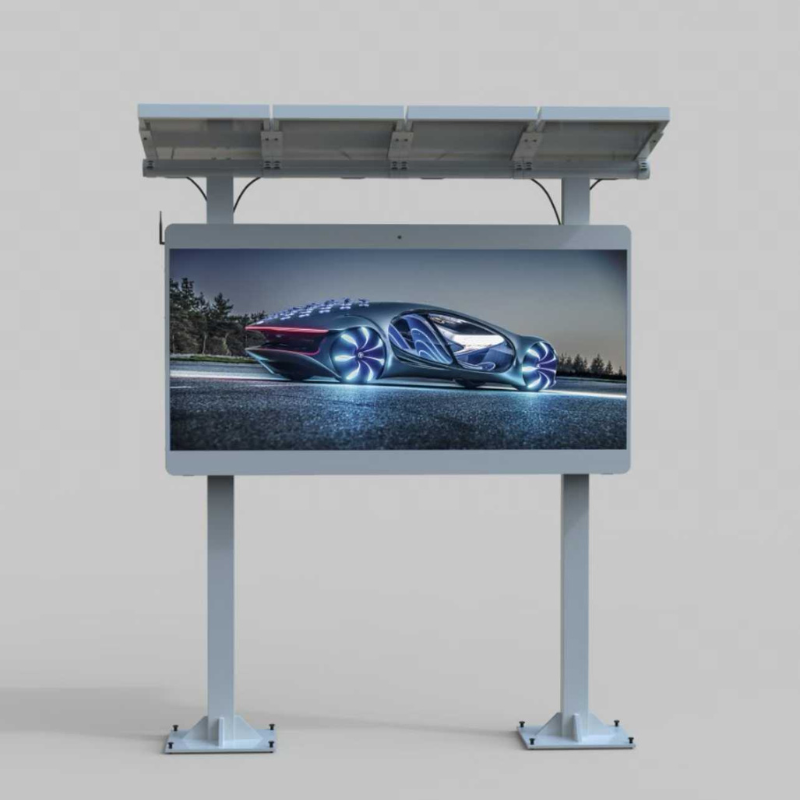
A solar led display system integrates several interdependent components working together seamlessly. Photovoltaic panels capture solar radiation and convert it into electrical energy throughout daylight hours. This energy flows into advanced battery storage systems, typically lithium-ion configurations, that accumulate power for use during evening, cloudy periods, and nighttime operation. The led display unit itself consumes this stored energy efficiently, requiring significantly less power than traditional billboard lighting solutions. Modern led display technology achieves exceptional brightness levels while maintaining remarkably low energy consumption through advanced semiconductor design and optimized light distribution.
Eco-conscious outdoor media operators often worry that solar-powered led display solutions sacrifice visibility and impact. This concern is unfounded with current technology. Contemporary led display systems deliver brightness measurements exceeding 5,000 nits, ensuring clear visibility in direct sunlight and competitive visibility during evening hours. The led display brightness scales intelligently through sensors that adjust output based on ambient light conditions, maintaining message clarity while optimizing battery consumption. This adaptive intelligence means that solar-powered led display installations rival traditional billboard visibility while using a fraction of the energy.
Solar-powered led display systems dramatically reduce operational expenses by eliminating grid electricity consumption. A typical outdoor led display installation powered by conventional means can cost $2,000 to $4,000 monthly in electricity charges, depending on local rates and display intensity. Solar led display solutions reduce these costs by seventy to ninety percent, with many installations achieving zero monthly electricity bills. This savings compounds over the system's operational lifetime, typically fifteen to twenty years. Media operators recover solar led display installation investments within three to five years through electricity cost reduction alone, with decades of essentially free operation following.
Adopting solar-powered led display technology generates tangible sustainability metrics that resonate with environmentally conscious audiences and stakeholders. Each solar led display installation prevents substantial carbon dioxide emissions annually—equivalent to removing multiple vehicles from roads for a year. This environmental credentials strengthen brand positioning and appeal to demographic segments increasingly prioritizing corporate responsibility. Media operators marketing through solar led display technology demonstrate commitment to sustainable practices, differentiate from competitors, and attract clients seeking eco-aligned advertising channels. The led display itself becomes a statement about organizational values, creating goodwill beyond traditional advertising metrics.
Successful solar led display deployment begins with thorough site evaluation. Location selection must prioritize solar exposure, considering seasonal sun angles, surrounding structures that create shade, and geographic latitude affecting daylight hours. The optimal solar led display site receives unobstructed sunlight for minimum six to eight hours daily. Urban environments may require rooftop placement for solar led display systems, while suburban locations offer ground-level or elevated mounting flexibility. Professional assessment of proposed solar led display locations accounts for local weather patterns, humidity levels, and seasonal variations that impact both solar generation and led display performance.
Solar led display systems require minimal ongoing maintenance compared to traditional billboard infrastructure. The led display components themselves need periodic cleaning to maintain brightness consistency, typically quarterly or semi-annually depending on environmental conditions. Battery systems in solar led display installations require occasional monitoring through integrated diagnostic systems that alert operators to performance anomalies. Modern solar led display technology incorporates protective ratings against dust, moisture, and temperature extremes, ensuring reliable operation across diverse climates. Professional installation of solar led display systems ensures optimal electrical configuration, proper grounding, and safety compliance, eliminating reliability concerns and warranty complications.
Transit stations, bus stops, and urban corridors represent prime deployment zones for solar-powered led display solutions. These high-traffic locations benefit from continuous message rotation and dynamic content capabilities that led display technology enables. A solar led display at a transit hub operates independently from grid infrastructure, avoiding outages that impact traditional installations. The led display brightness adapts automatically as ambient light changes throughout the day, maintaining consistent visibility without manual adjustment. Transit operators appreciate that solar led display systems eliminate the infrastructure costs of running power lines to remote stops, expanding deployment possibilities across their networks.
Rural highways, outdoor events, and isolated promotional locations represent scenarios where solar led display solutions excel. These venues lack grid access that traditional led display installations require, making solar integration essential rather than optional. A solar-powered led display can operate indefinitely at remote locations, supporting seasonal advertising campaigns and permanent signage without infrastructure installation costs. Construction sites, mining operations, and agricultural facilities increasingly deploy solar led display systems for dynamic messaging and safety communications. The led display portability and energy independence of solar configurations make them ideal for temporary or mobile applications.
Emerging solar and battery technologies will enhance led display system capabilities significantly. Next-generation photovoltaic materials promise conversion efficiency exceeding thirty percent, substantially increasing energy capture from available sunlight. Advanced battery chemistries will provide higher energy density and longer cycle lifecycles, extending solar led display operational periods during adverse weather. Artificial intelligence integration will optimize led display brightness and content scheduling based on predicted weather patterns and historical solar generation data. These innovations will push the economics of solar-powered led display installations further toward universal adoption across outdoor media markets.
Future solar-powered led display systems will incorporate sophisticated IoT connectivity enabling real-time monitoring and remote management. A led display network will communicate performance data to centralized platforms, allowing operators to track energy generation, battery health, and display functionality across multiple installations simultaneously. The led display systems will integrate with dynamic pricing algorithms that adjust advertising content based on foot traffic, weather conditions, and real-time audience analytics. Blockchain technology may enable decentralized energy trading where solar led display installations share excess power with adjacent infrastructure, creating community microgrids powered by distributed renewable resources.
Modern lithium-ion battery systems used in solar-powered led display installations typically last ten to fifteen years with proper maintenance. Most quality solar led display systems include batteries warranted for eight to ten years of reliable performance. Actual lifespan depends on charging cycles, temperature exposure, and usage patterns specific to your led display deployment. Environmental conditions significantly impact battery longevity, with hotter climates reducing lifespan compared to temperate regions. Professional monitoring and preventive maintenance of your solar led display battery system can extend operational life toward the upper end of expected ranges.
Yes, solar-powered led display systems continue operating during cloudy conditions because they store energy from sunny periods. Battery reserves accumulated during clear weather sustain your led display through extended cloud cover or rainy seasons. The stored energy duration depends on battery capacity relative to your led display power consumption and the severity of weather conditions. Oversized solar panel arrays and battery systems in solar led display installations provide extended autonomy during poor weather periods. Geographic locations with seasonal variations require appropriately scaled solar led display systems to maintain reliable operation year-round.
Solar-powered led display installations typically generate return on investment within three to five years through electricity cost reduction alone. The exact timeline depends on local electricity rates, daily sunlight availability, and your led display power consumption patterns. A solar led display in high-cost electricity regions or areas with excellent solar exposure may achieve ROI in two to three years. After the initial investment recovery period, your solar led display generates essentially free operation for fifteen to twenty more years. Financial analysis should include grid maintenance cost avoidance, reduced labor expenses, and carbon credit opportunities that solar led display systems provide.
 Hot News
2025-05-27
2025-09-25
2025-09-23
 EN
EN