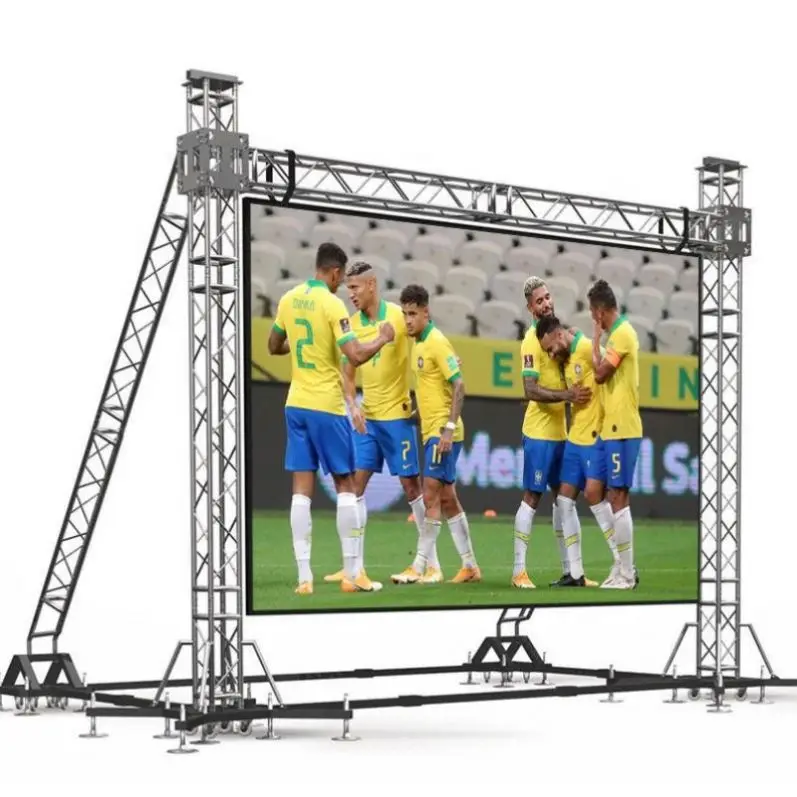
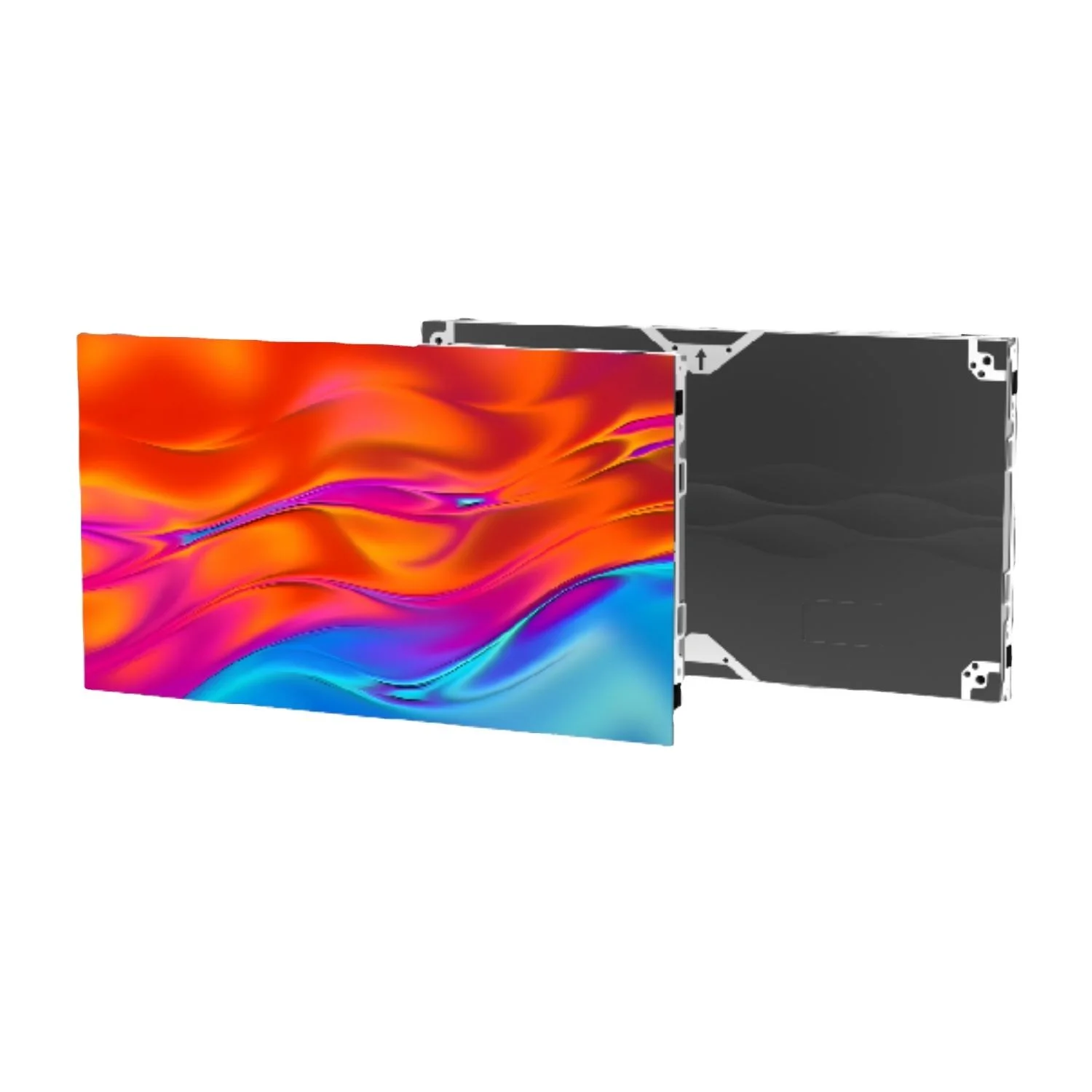
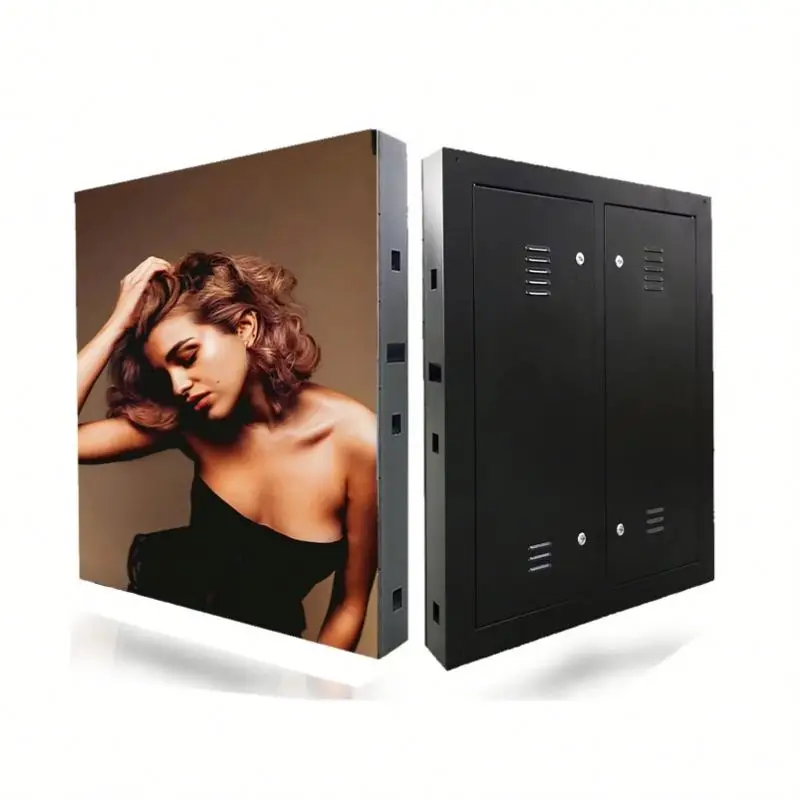
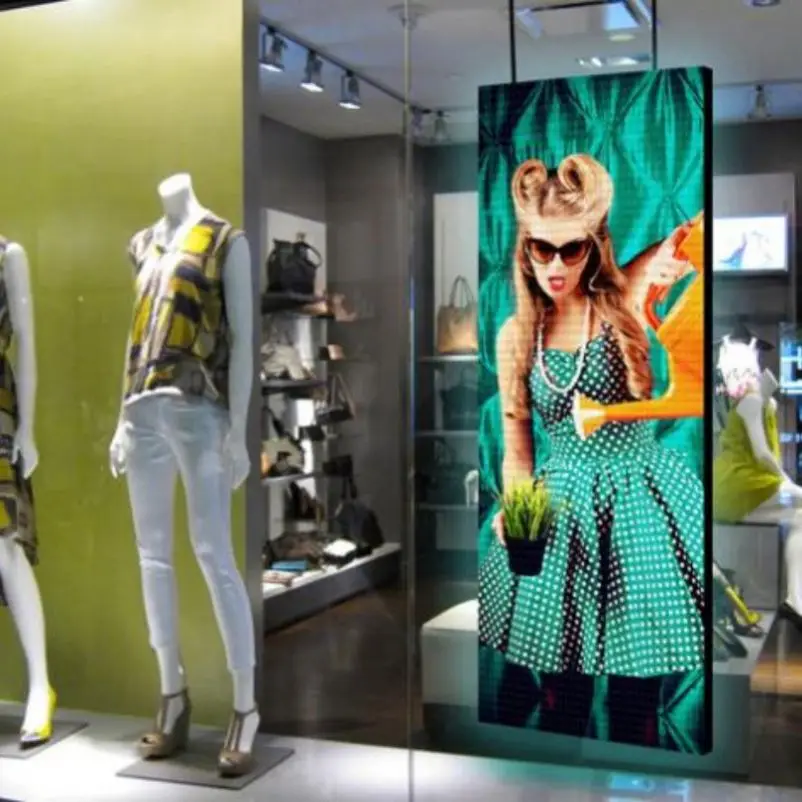
Standard flat displays really limit what artists can do, basically trapping them in straight line storytelling approaches. Flexible LED panels change all that because they bend around things like wave shaped surfaces, twisting structures, and complex building shapes. These screens are made up of modules that fit together perfectly even when placed on strange stage layouts. The way these panels work lets creators cover entire stages with full circle visuals or create moving art pieces that actually follow performers around. When screens can bend without leaving visible gaps, it creates much better overall experiences for everyone watching. Some studies indicate people stay focused on performances about 30 percent longer when watching from curved screens rather than regular flat ones. This makes sense why so many event planners are turning to these flexible displays for their productions nowadays.
When we talk about LED surfaces shaped in curves, they actually affect how people feel and what they notice because of how they play with depth, what our eyes pick up on the sides, and how light spreads out. Putting curved screens behind artists directs where the audience looks, creating paths of sight that make performers stand out more against the background. The way these screens are curved based on physics principles means the light stays balanced and colors look good no matter where someone sits in a big venue. Think about concert halls where almost half the crowd might be seeing things at an angle - those curved displays still work their magic. At smaller shows, concave shapes create a closer connection between artist and audience, while at outdoor festivals, convex wraps make everything feel bigger than life. What used to be just flat screens behind acts now becomes something alive, changing as songs build and lights shift during performances.
Flexible LED screens are no longer just flat backgrounds for shows anymore. They've become active parts of performances thanks to motion sensors and special software that makes them react instantly. When a dancer jumps, lights ripple across the curved screens like water. A singer's voice gets louder? The colors on stage get brighter too. These bendy panels can actually wrap around props and actors themselves, creating that full circle effect where people watching from any side still feel immersed in the action. Theater companies that have tried these interactive screens say their audiences stay engaged about 40 percent longer than when using regular static backdrops. This kind of tech is definitely changing how modern theater works.
The way people emotionally connect to something really depends on how well the technology works behind the scenes. When screens have high pixel density below 2.5mm pitch, they keep images clear even on complicated curved surfaces. And those displays need at least 5,000 nits of brightness so they can be seen clearly when stage lights are blazing bright. The shape of these screens matters too for storytelling purposes. Concave shapes tend to draw attention to solo performances, whereas gently curved outward sections spread the visual energy throughout group scenes. Imagine a screen that's tightly curved right before a big dramatic moment it just adds to the tension felt in the room. Broader curves work better for creating that warm, intimate atmosphere during softer songs. All these technical details actually translate into real feelings for audiences. Studies show flexible curved displays beat flat ones in emotional response tests about 34% of the time, which is pretty significant considering what we're talking about here.
Operating at high brightness levels around 8000 nits creates quite a bit of heat, particularly noticeable when these panels get curved or bent. To combat this issue, engineers have come up with solutions involving tiny ventilation channels built right into the panel design along with special substrates that help keep things cool enough so nothing gets damaged above about 95 degrees Fahrenheit. What makes all this work? A lot depends on material science advances. Silicone based materials allow for those nice 30 degree curves we see today while still letting heat escape properly from the LED components themselves. This helps protect each individual pixel over time even during long performance periods where displays need to stay bright and functional throughout.
The touring world has really embraced these modular systems where components fit together almost like building blocks. According to some recent numbers from Live Design's latest report, setups now take around 3 hours instead of the old 5 hour mark thanks to those standardized connectors that don't require tools. The frames made from carbon fiber handle all that shaking and rattling on the road pretty well, plus when folded down they take up about half the truck space compared to traditional options. What makes this stuff so cool is how fast crews can completely transform stage backgrounds between acts sometimes within just 15 minutes flat. This speed means directors get much more freedom creatively while still keeping everything running smoothly behind the scenes.
 Hot News
2025-05-27
2025-09-25
2025-09-23
 EN
EN