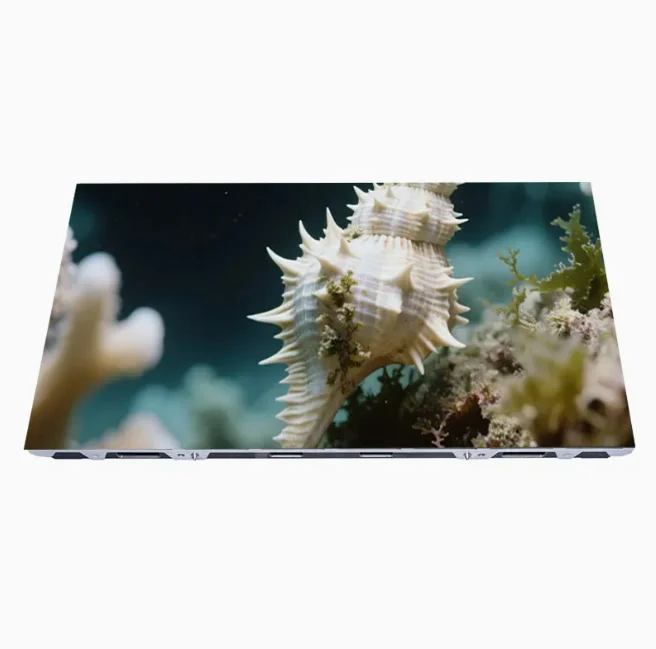
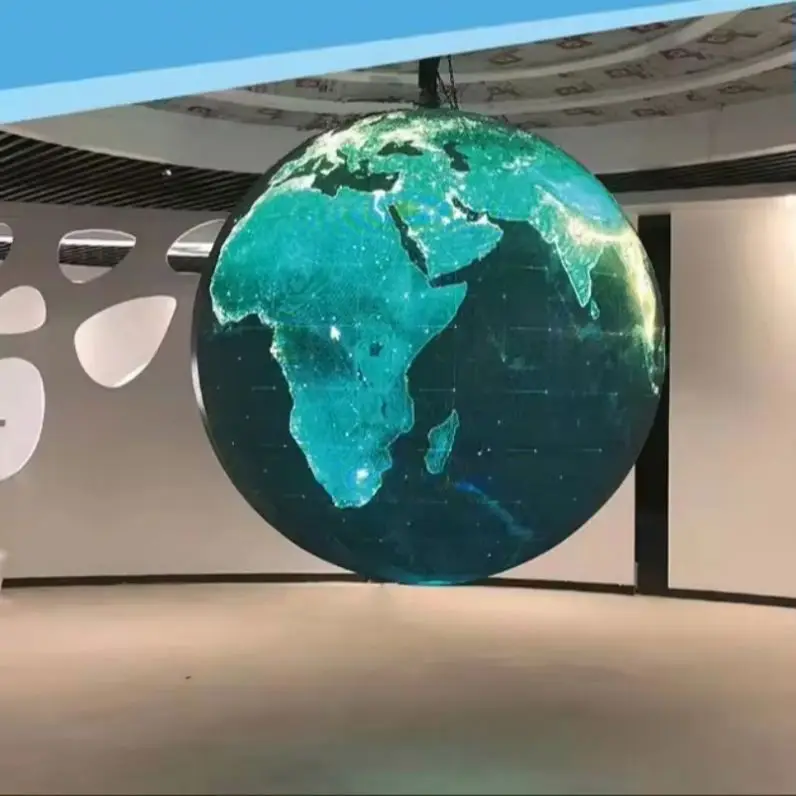
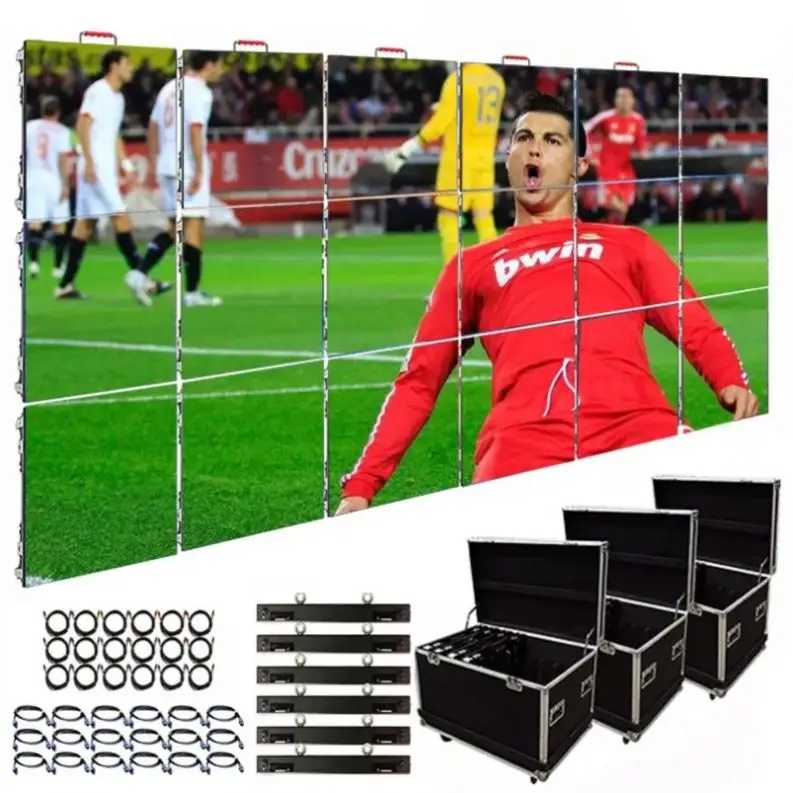
Conference rooms today need display solutions that keep up with how fast business moves these days. Old school projectors and those standard flat screens just don't cut it anymore. They have all sorts of issues really. The brightness is never enough, those annoying bezels are always there, and the picture quality tends to look different depending on where you sit, especially when there's lots of natural light coming in from windows. LED wall displays fix most of these headaches though. These modern setups come without any visible seams between panels and can hit over 1500 nits of brightness while showing genuine 4K detail. What does this mean for actual meetings? Well, slideshows stay sharp, complex charts are easy to read, and even Zoom calls with multiple participants look good no matter what kind of lighting conditions exist in the room.
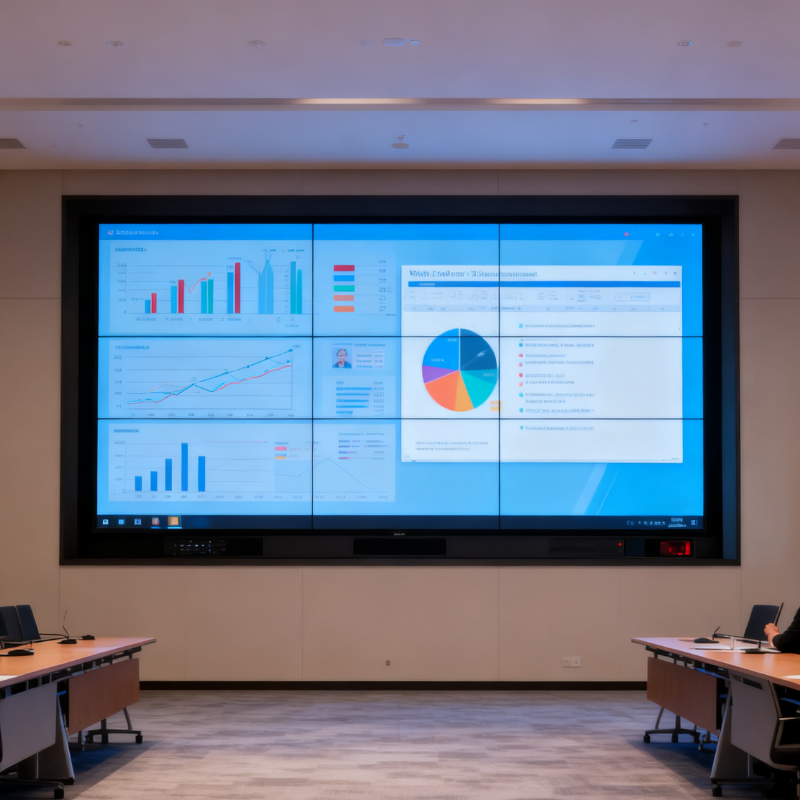
LED tech does more than just make things clear it actually helps people work together better. These big screens create something pretty special for meetings when folks are scattered across different locations. People joining from afar look almost as if they're sitting right there in the room, which makes everyone feel connected despite being miles apart. There's also this cool feature that lets anyone mark up what's on screen during discussions so instead of just watching, participants can jump in and contribute their thoughts instantly. And let's talk about durability here. Traditional projectors need constant bulb changes while those old school LCD panels don't last forever either. LED displays? They run for over 100 thousand hours before needing much attention at all. Some industry reports suggest companies save around 30 percent on costs over time because these screens basically take care of themselves without all the hassle of regular maintenance.
Workplace setups are changing fast these days. Teams working together across different locations really need everyone to feel included whether they're sitting in the meeting room or joining from home. The screens we install have super high contrast ratios around 5000 to 1 and viewing angles that go past 160 degrees. This means no matter where someone sits in the room, they can actually see what's happening on screen without those annoying blind spots we all hate. Combine this with good quality built-in speakers and microphones, and suddenly meetings become something people actually look forward to. Instead of wasting time dealing with poor video quality or muffled audio, participants can focus on discussing ideas and getting work done efficiently.
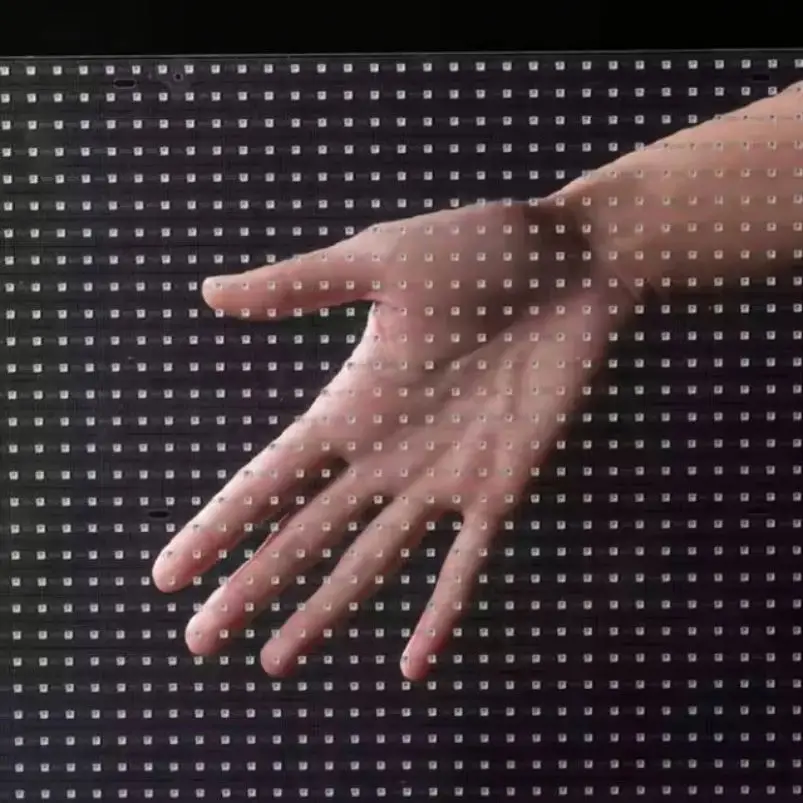
Pixel pitch—the distance between LED clusters—dictates image clarity at close range. For conference rooms with typical viewing distances under 3 meters (10 feet), a 1.5mm–2.5mm pitch delivers optimal detail retention. Industry guidelines suggest:
The 8:1 rule (viewing distance = pitch × 8 in feet) confirms this range. For example, a 1.5mm pitch suits 12-foot viewing, while Durways pitch × 2 formula (in meters) aligns for 3m distances.
Resolution requirements depend on content sources and room lighting. Match native resolution to your primary inputs:
Ambient light dramatically impacts perceived quality. In sunlit rooms, prioritize displays with ƒ¥1,200 nits brightness to combat glare. For controlled lighting, 600–800 nits suffices. Always test content visibility during peak daylight hours.
The way we position those big LED screens in meeting rooms makes all the difference between something that just looks nice and a real workhorse for presentations. When planning installation, someone needs to actually check out the building's load limits, how light falls across the space naturally, and figure out where people will be sitting. Skip this step and half the time folks at the sides won't see what's on screen at all. We've seen cases where almost 40% of text gets lost when viewed from an angle. And let's not forget about electricity either. Those displays draw serious power, so circuits need to handle the load without blowing fuses. This stuff gets overlooked far too often when companies rush to get everything up and running quickly.
Traditional center-mounted displays create uneven viewing experiences, particularly in wide or tiered conference rooms. Audience-centric layouts position the LED wall based on primary sightlines from high-engagement zones like executive tables or collaborative areas—not just room symmetry. Key considerations include:
This approach improves content retention by 30% compared to fixed-center installations. When paired with ambient light sensors that automatically adjust brightness, these layouts maintain consistent visibility regardless of seating position or time of day.
Installing corporate LED walls comes with major headaches because these things can weigh more than half a ton and need serious structural checks. When companies skip proper installation protocols, they risk total disaster. The average repair bill after equipment failure runs around $740,000, not counting potential injuries which could cost even more. Before hanging anything on walls or ceilings, certified engineers have to look at how much weight structures can actually hold and check if walls are strong enough. They also need to follow building codes like IBC for earthquake safety and UL 8750 standards to prevent electrical fires or shocks. Heat problems alone account for about one out of every six audiovisual system breakdowns, so making sure there's proper airflow is critical. Getting professionals involved from day one helps keep everything within legal limits while keeping workers safe and facilities intact.
Optimal mounting harmonizes visual minimalism with safety imperatives:
Bi-annual inspections by certified technicians verify hardware integrity, particularly in high-traffic conference rooms where material fatigue increases hazards. This protocol lowers accident rates 40% while preserving seamless design.
 Hot News
2025-05-27
2025-09-25
2025-09-23
 EN
EN