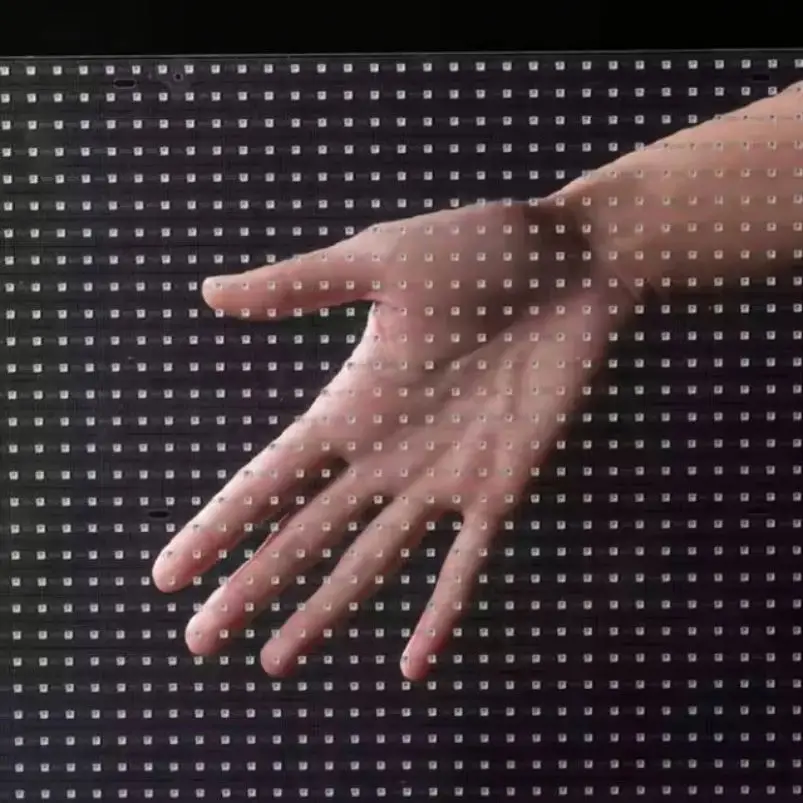
The magic behind 3D LED video walls lies in how they work with our natural ability to see depth through both eyes. Research from the Journal of Applied Cognitive Psychology back in 2022 found these displays actually light up the brain's visual areas about 70% more than regular flat screens do. When it comes to making things look three dimensional, stereoscopic methods basically trick the brain into seeing layers of space, whereas volumetric projections literally push images out past the edges of the screen itself. What does all this mean? People tend to stay focused on content for around 40% longer when watching in 3D, and remember brands shown this way about 58% better. The reason seems to be that our brains process spatial information differently, creating stronger emotional connections that stick around much longer in memory.
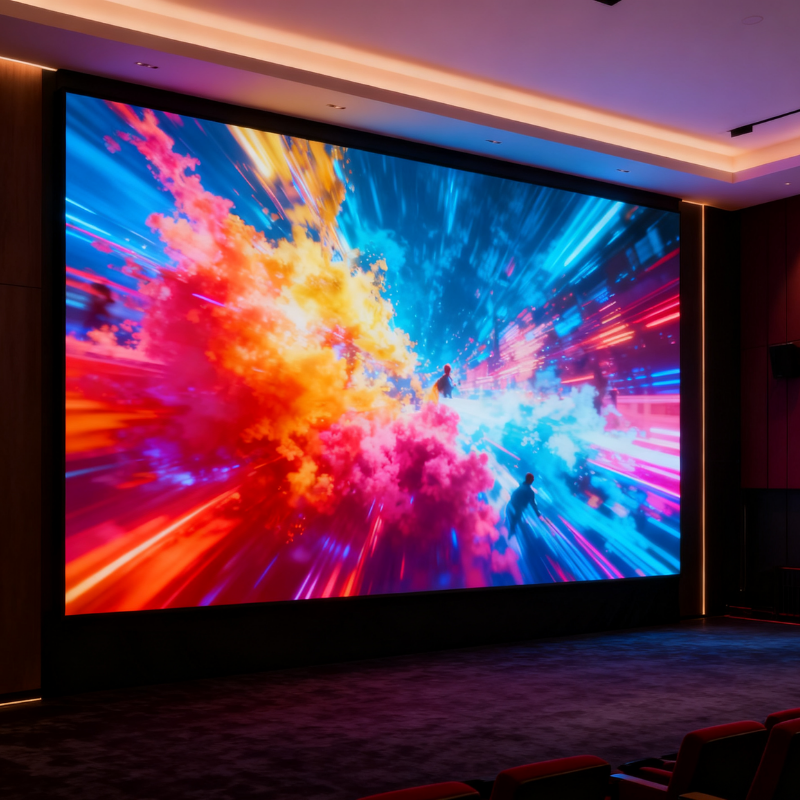
When Coca Cola installed their curved 3D LED display in Times Square, it wasn't just eye candy but actually made good business sense too. People spent around 42% more time looking at this 3D ad compared to regular flat billboards nearby, and there were about 27% more mentions on social media according to a report from the Times Square Campaign folks back in 2023. What really stands out though is how people felt about the brand after seeing it. Audiences tracked during the campaign reported feeling 18 points more connected to Coca Cola than before. This shows that when brands go beyond flat images and create something with real depth, they connect emotionally with viewers, get shared online, and ultimately boost sales numbers.
Engines such as Unreal Engine have completely changed how we work with LED video walls by cutting down those long production delays that used to take weeks instead of just hours now. When these systems connect straight to the display hardware itself, creative folks can tweak lighting effects, texture details, and animation sequences all at once while seeing exactly what will appear on screen right there on the actual wall surface. What does this mean? Dynamic advertisements that react immediately to changing conditions like current weather patterns, how many people are walking by, what items are still available in stores, or even what groups of customers tend to prefer locally. Imagine a clothing store campaign showing off winter gear when snow starts falling outside, or summer clothes if temperatures rise unexpectedly. The system automatically lines everything up perfectly no matter if the display is curved around a corner or built into building architecture somewhere special. And because of motion tracking technology, images stay looking good from every angle as people walk past them. Even better, mobile devices can interact with screens to change stories unfolding before our eyes, turning simple watching into something where audiences actually get involved in shaping what they see.
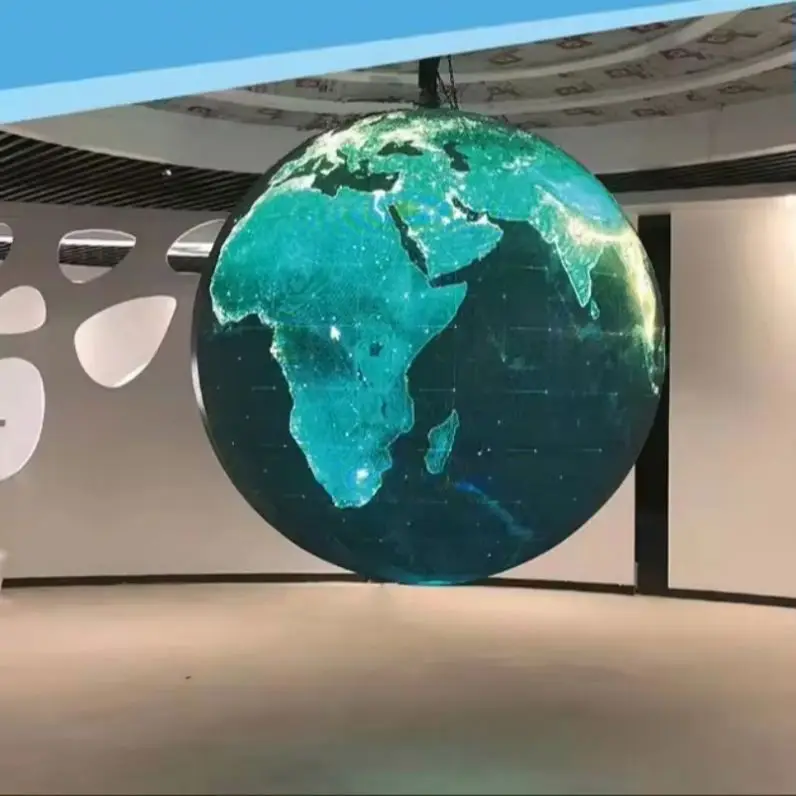
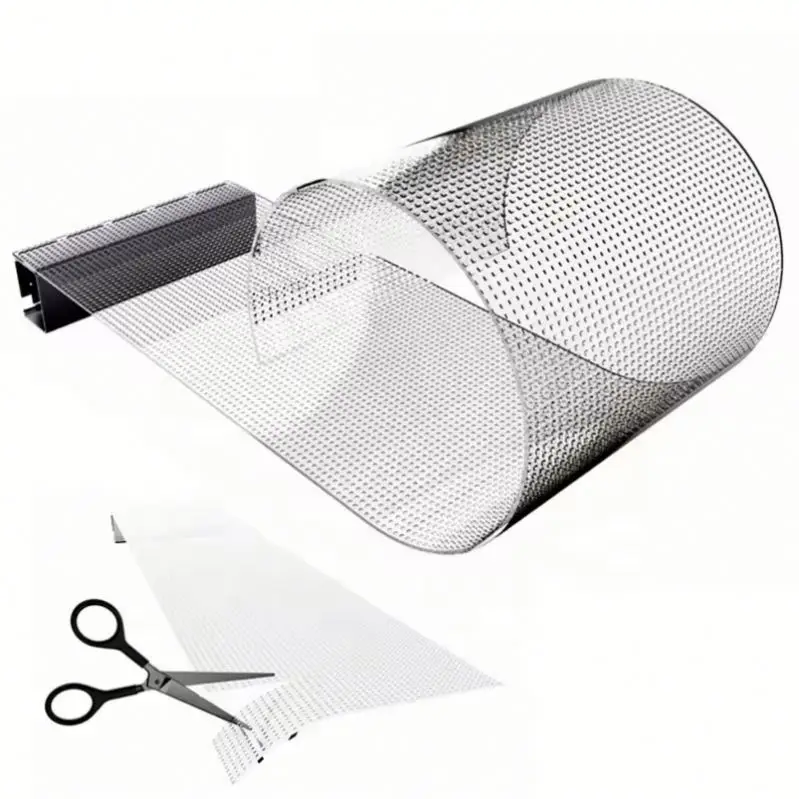
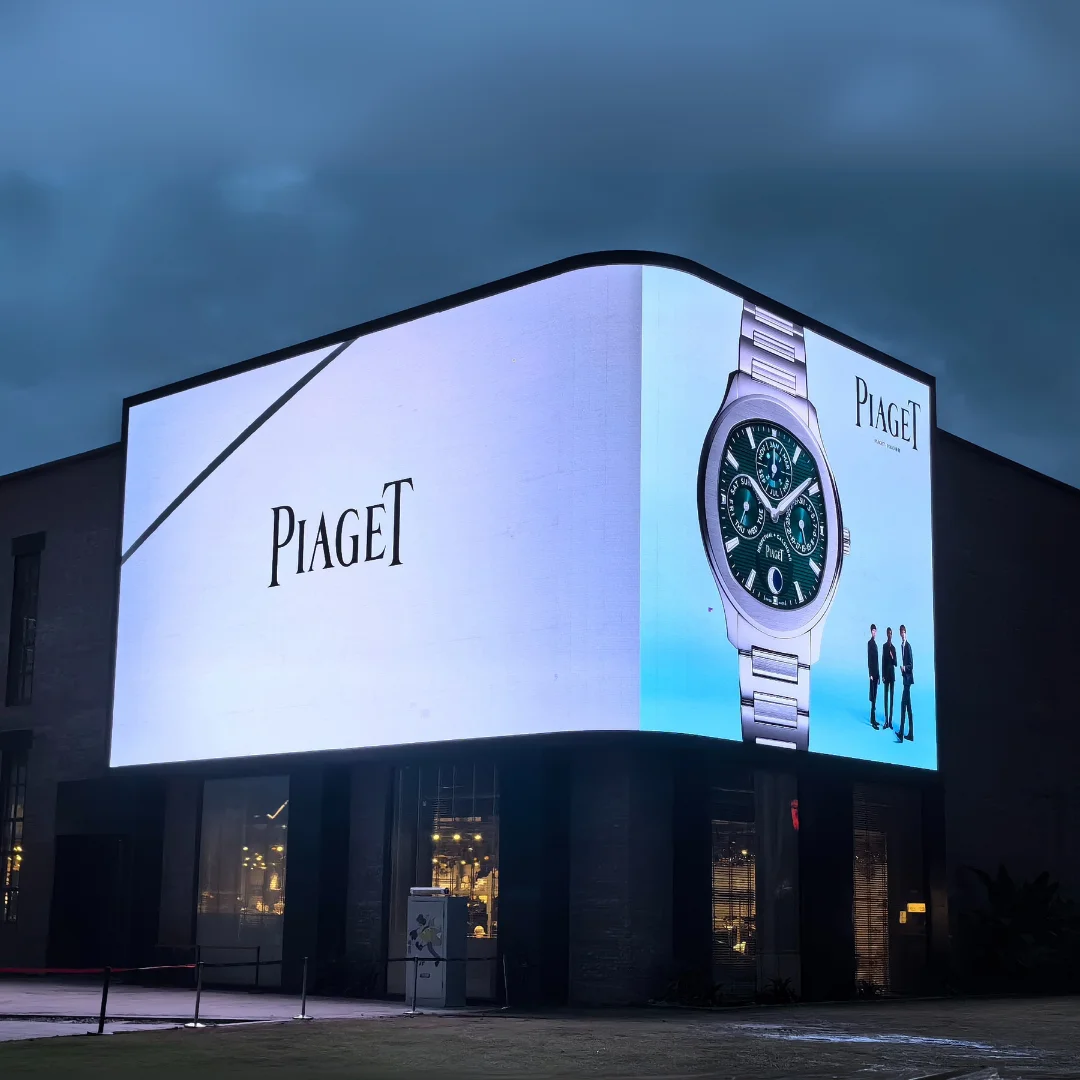
LED video walls that curve and take on unusual shapes go way beyond regular flat screens, making buildings themselves part of the story. When installed around pillars, shaped into wavy forms, or fitted onto odd angles, these displays create movement and depth that really grab people's attention. The content actually moves with the space it occupies, changing ordinary places like hotel lobbies, museum halls, and retail showrooms into memorable experiences. These aren't your standard square panels either. Custom curved setups can make full circle displays, wrap around corners in all directions, and blend right into building structures without looking out of place. People walking through these spaces aren't passive viewers anymore they're actually inside the story being told. Museums and major exhibition venues have started incorporating this technology, and studies show visitors tend to stay almost twice as long when there's thoughtful spatial storytelling involved.
| Feature | Creative Application | Audience Impact |
|---|---|---|
| Custom curvature | Column wraps & wave formations | Enhanced spatial immersion |
| Non-planar shapes | Spheres & abstract mosaics | 360° engagement |
| Structural integration | Architectural blending | Seamless brand-environment unity |
This fusion of form and function redefines experiential marketing: an LED video wall is no longer a screen—it's a sculptural medium for unforgettable brand journeys.
Creating realistic 3D effects on LED video walls requires more than just artistic flair—it needs serious technical know-how. Modern 3D animation tools map out spaces in real time, warping visuals so they fit perfectly on those tricky curved screens or weirdly shaped displays we see everywhere now. Take those big circular billboards for instance—the software actually fixes the distortions around the edges before anything gets shown. Then there's this clever tech called viewer position awareness that tweaks lights, angles, and perspectives on the fly based where people stand. This makes objects appear closer or farther away depending on where someone looks, creating that cool 3D effect without needing special glasses. What we end up with is basically magic for the eyes. These screens aren't just showing pretty pictures anymore; they're becoming interactive experiences that change based on who's watching them, transforming ordinary advertising spaces into something much more engaging and memorable.
 Hot News
2025-05-27
2025-09-25
2025-09-23
 EN
EN