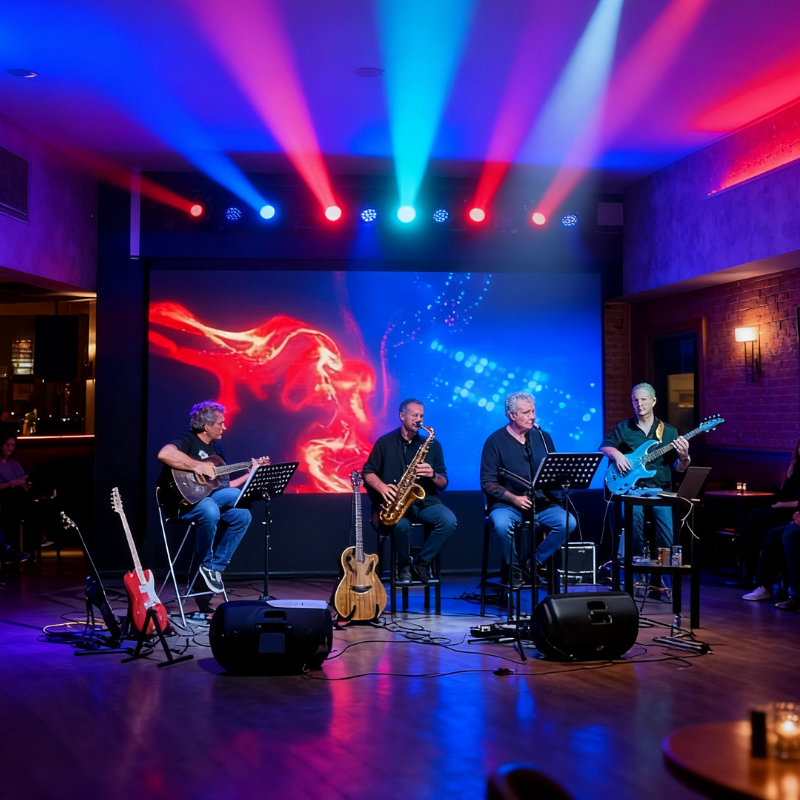
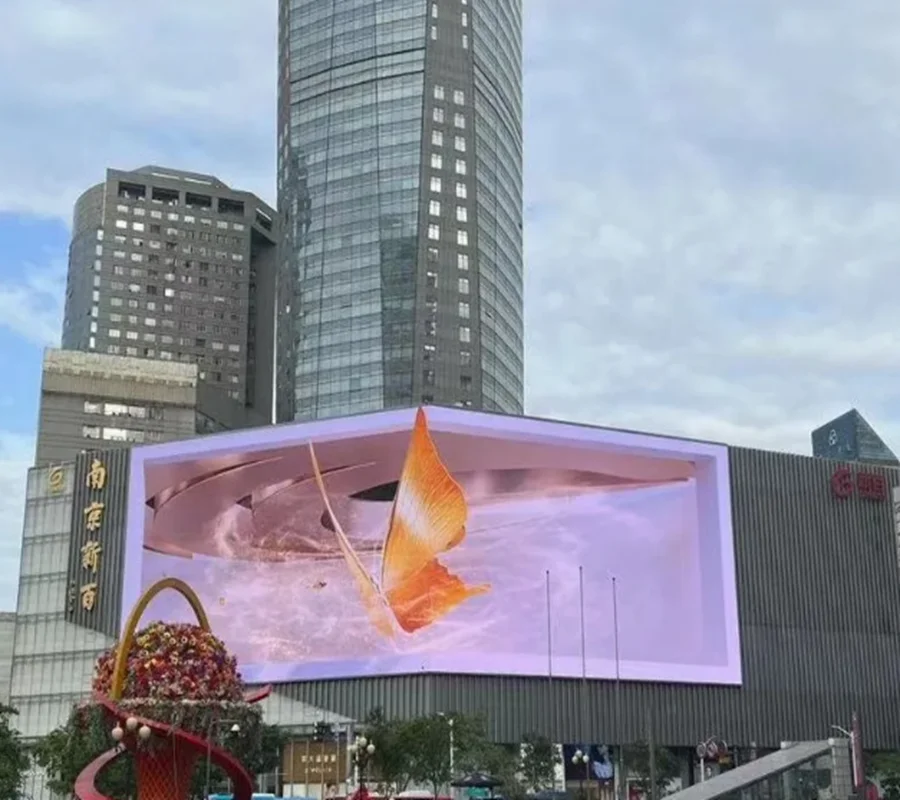
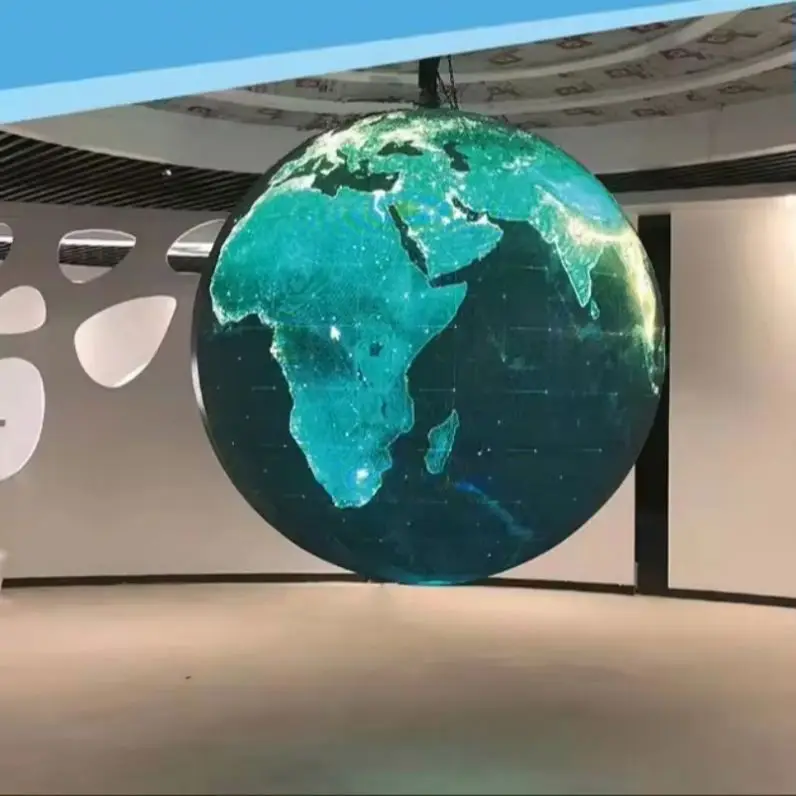
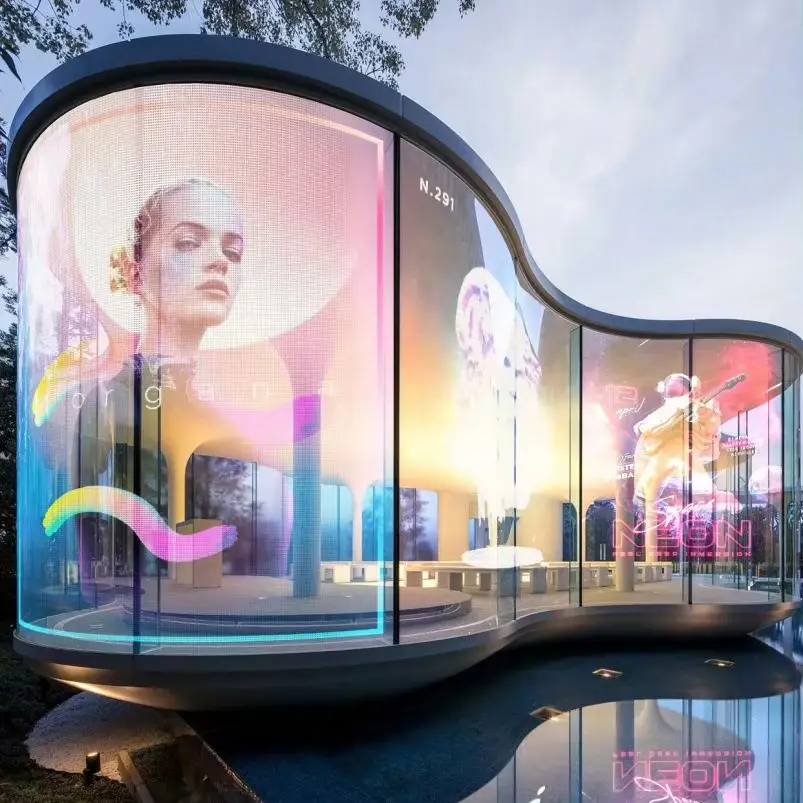
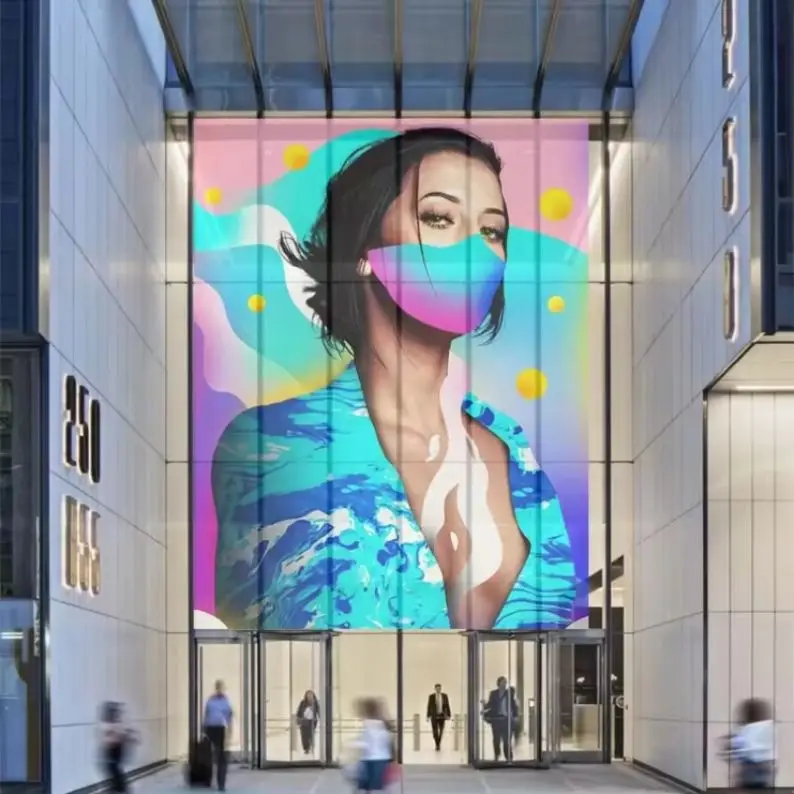
LED walls achieve substantial energy savings through three interdependent engineering fundamentals. High-efficiency LED lamps convert over 90% of electrical input into visible light—dramatically outperforming traditional lighting, which wastes 80–90% as heat. Advanced thermal management systems use aluminum heat sinks and passive convection to dissipate residual heat, minimizing infrared radiation loss. Smart drivers with active power factor correction (PFC 0.9) further reduce AC-to-DC conversion losses. Together, these innovations enable 40–60% lower power consumption versus conventional displays, a range validated by U.S. Department of Energy benchmarks.
| Energy Efficiency Factor | LED Wall Performance | Traditional System |
|---|---|---|
| Luminous Efficacy | 120–150 lm/W | 15–60 lm/W |
| Heat Waste | <10% input energy | 40–60% input energy |
| Driver Efficiency | 92–95% | 70–85% |
A 2023 retrofit of a New York commercial complex confirmed these efficiencies across real-world applications. Retail lobby displays using adaptive brightness scaling reduced power consumption by 52% during operating hours; corporate atrium LED walls with occupancy-based dimming achieved a 63% reduction. These outcomes reflect broader industry performance: commercial LED wall installations typically cut lighting-related electricity costs by 40–60%, delivering $0.18–$0.32 per square foot in annual savings, according to 2024 facility management data. High CRI (90) visuals and dynamic power management make modern LED walls both environmentally responsible and economically advantageous.
In retail environments, LED walls elevate visual merchandising while advancing sustainability goals. Adaptive brightness scaling adjusts output in real time based on ambient light and foot traffic—reducing power use by 20–35% during daylight hours without sacrificing visibility or impact. Pixel-level control ensures uniform illumination across large-format displays, supporting vivid, responsive product showcases. Coupled with real-time content updates, this capability enables agile promotional strategies aligned with operational efficiency.
In corporate lobbies and hospitality venues, LED walls function as intelligent architectural elements—unifying branding, navigation, and energy optimization. Digital wayfinding directories eliminate printed signage waste and support live updates. Zone-based dimming allows independent control of illumination across functional areas: low-traffic zones dim after hours, while high-priority spaces like conference centers maintain full brightness. This granular approach cuts lighting-related energy waste by up to 40% in large facilities, per 2023 building automation studies. Centralized content management systems streamline brand consistency across multi-site deployments.
Commercial LED walls offer an L70 lifespan exceeding 100,000 hours—equivalent to over 10 years of continuous operation at typical commercial usage—far surpassing legacy display technologies. When integrated with Building Management Systems (BMS) and Facility Management Systems (FMS), predictive maintenance enables real-time health monitoring, automated fault detection, and proactive service scheduling. This integration reduces unplanned downtime and lowers annual maintenance costs by up to 30%. Combined with energy savings, it delivers a strong ROI: most businesses recoup their investment within 2–3 years.
Architectural LED walls are engineered for human well-being—not just energy efficiency. Anti-reflective coatings and precision diffusers suppress luminance hotspots below the 3,000 cd/m² threshold recommended by IES RP-1, reducing glare-induced eye strain in lobbies and open workspaces. Optical design ensures 90% light distribution uniformity, eliminating harsh shadows and visual distraction. For color fidelity, adherence to IES TM-30 yields Rf scores above 85—accurately rendering brand colors and environmental tones. Simultaneously, compliance with CIE S 026 supports circadian health by optimizing melanopic lux ratios (0.3–0.5 mlx/lx). In verified corporate retrofits, this integrated approach has reduced visual fatigue complaints by 40%.
LED walls achieve higher luminous efficacy (120–150 lm/W), minimize heat waste using advanced thermal management, and feature smart drivers with higher efficiency (92–95%), saving 40–60% energy compared to conventional displays.
Real-world case studies, such as a 2023 NYC retrofit, show that adaptive brightness scaling and occupancy-based dimming can reduce power consumption by up to 63% in commercial spaces.
Commercial LED walls have an L70 lifespan exceeding 100,000 hours, equivalent to 10+ years of continuous operation in commercial environments.
Yes, LED walls feature anti-glare coatings, uniform light distribution, and high color fidelity (Rf scores above 85) to enhance visual comfort and reduce eye fatigue.
With energy savings and reduced maintenance costs, most businesses achieve full ROI within 2–3 years.
 Hot News
2025-05-27
2025-09-25
2025-09-23
 EN
EN