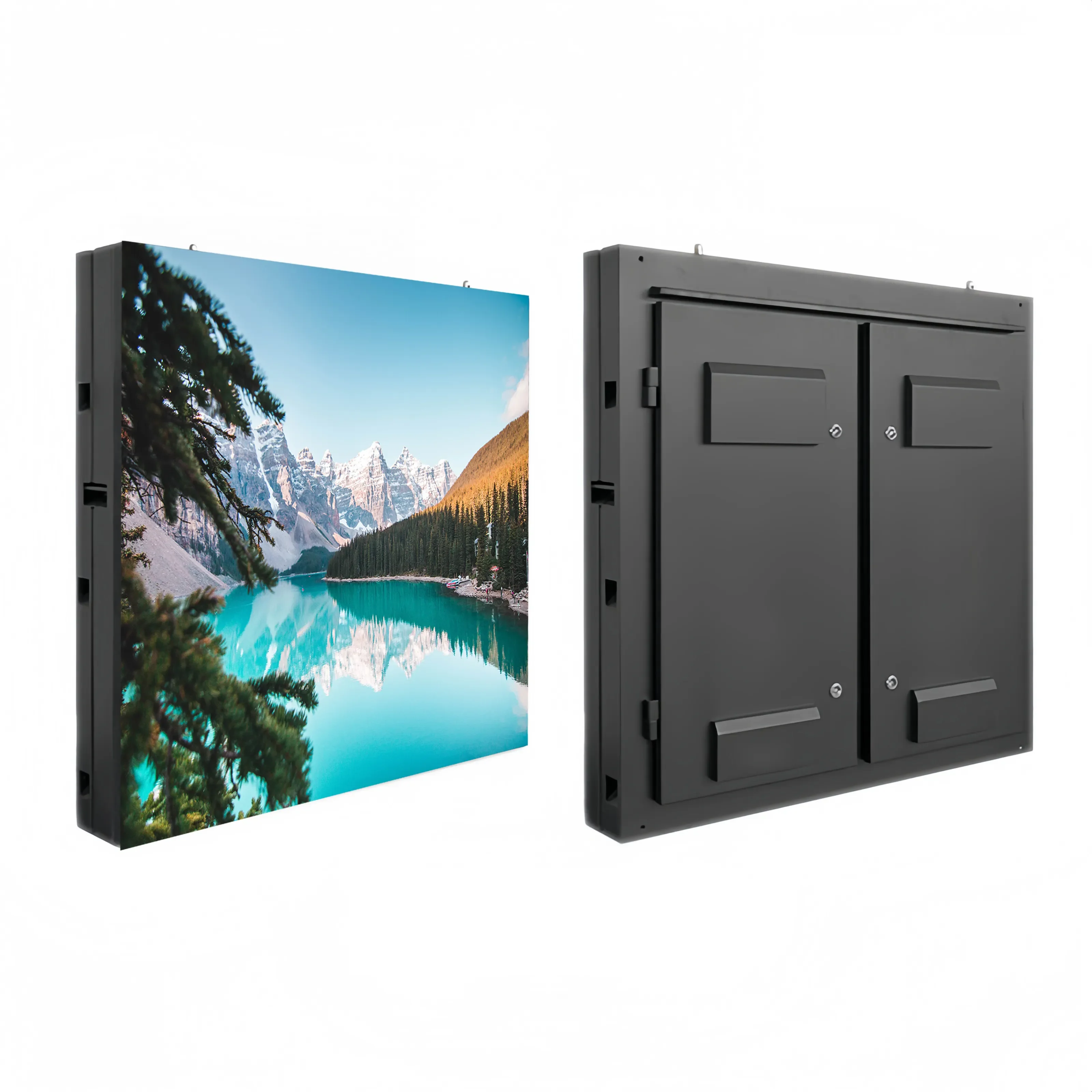
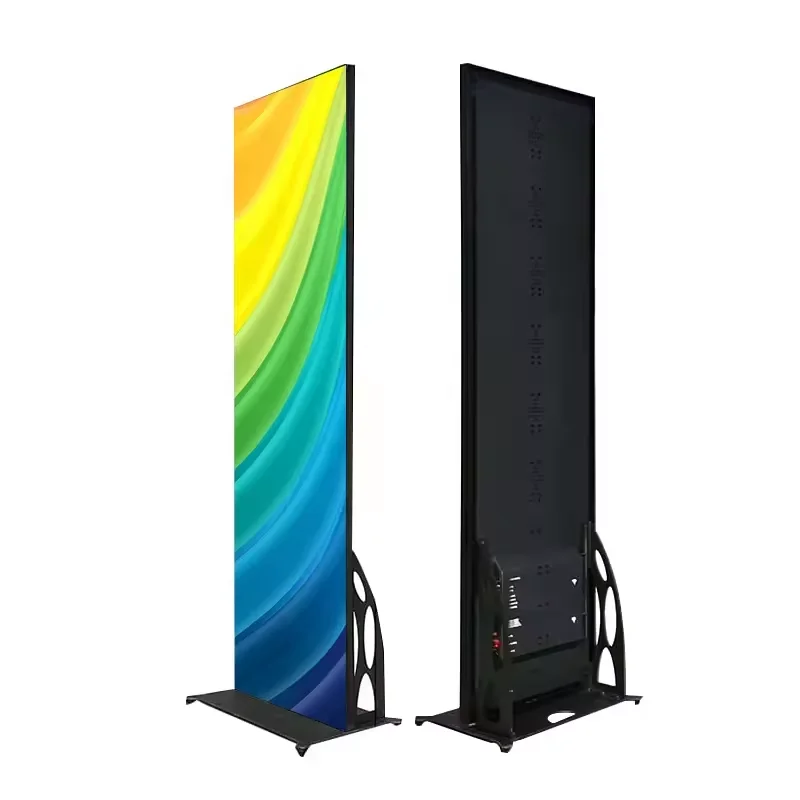
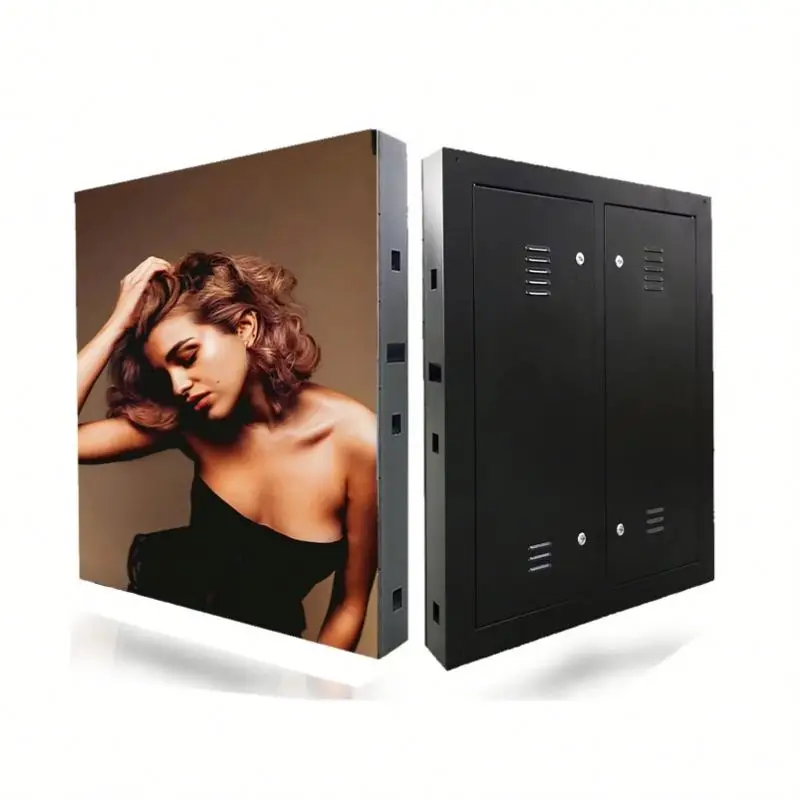
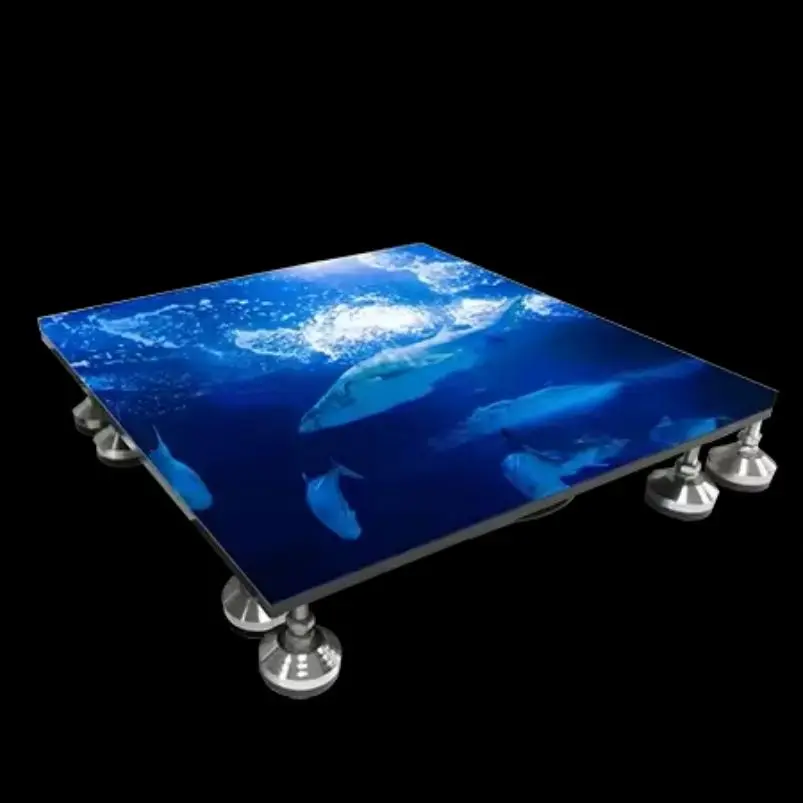
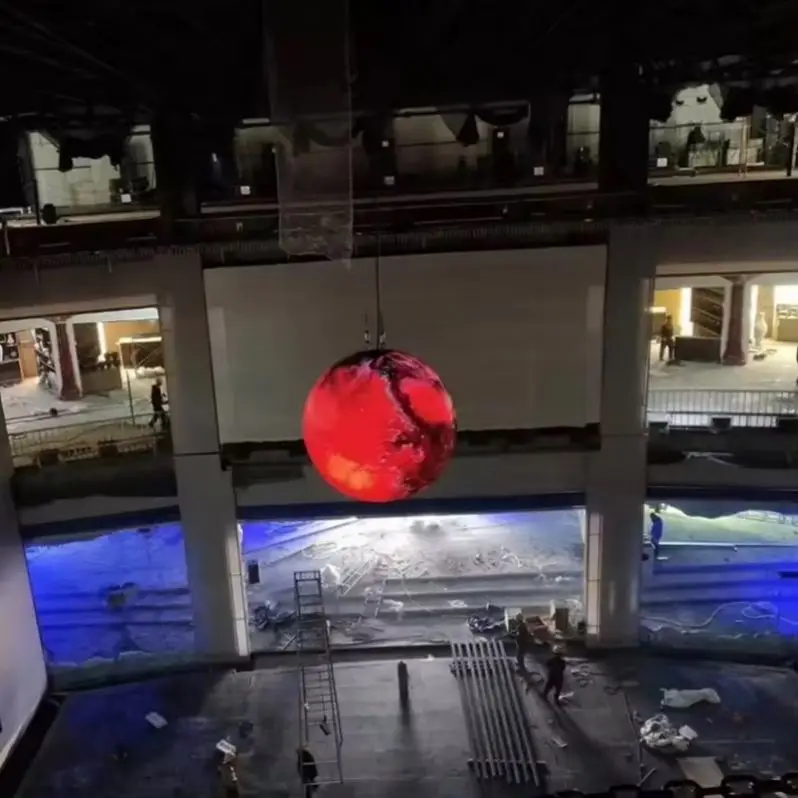
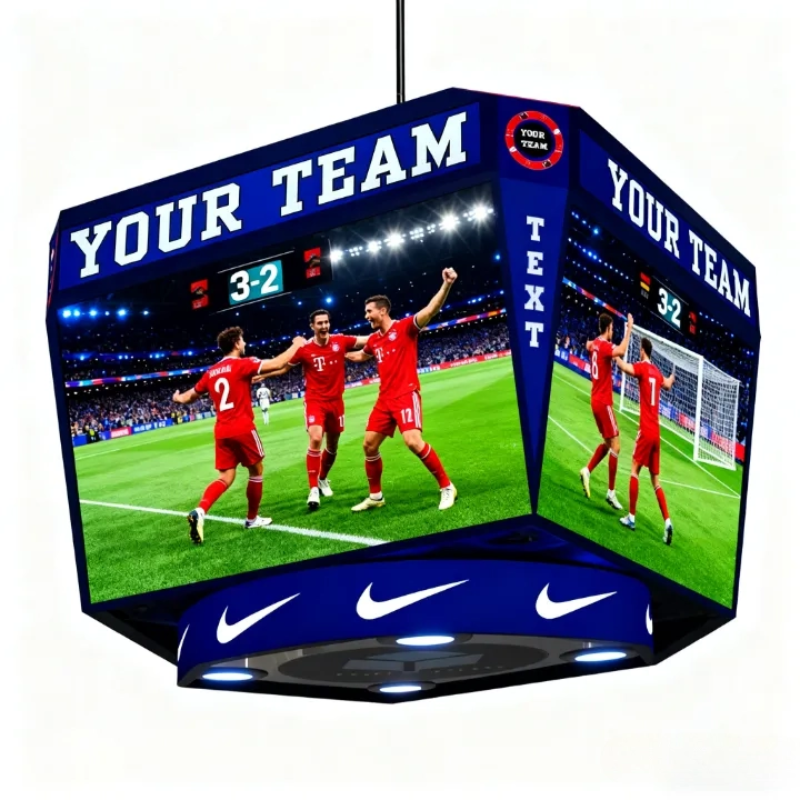
Stadium jumbotrons these days aren't just big screens anymore. They completely change how people watch games by showing instant slow-mo replays and flashy player stats right when something exciting happens. Fans can now see every detail of those crucial moments, whether it's over a goal line call or getting a better look at that last second dunk. The screens do much more than show the game itself too. Venues are adding live tweets from fans sitting around them, letting crowds vote on their favorite plays, and running quick contests that keep everyone entertained between innings or quarters. These giant displays run at incredibly high refresh rates, somewhere between 3,840 and 7,680 Hz, which means no more blurry images when players are sprinting across the field. And the way different content switches from one thing to another keeps people glued to their seats instead of heading for the concession stands. Some stadiums report that exit rates during events have dropped as much as 19% since installing these advanced systems.
The big screens at venues aren't just for showing replays anymore. They've become essential tools for keeping people safe and making events run smoothly. When something goes wrong like a fire breaks out or bad weather hits, these displays show colored paths for getting out plus instant instructions that can cut down how long it takes to respond by about 22%. On regular days too, the moving maps help visitors find where they need to go from bathrooms to exits and food stands. This actually helps reduce crowding in busy areas by roughly 30%, meaning fewer times when staff have to step in and manage things directly (around 41% less often). Plus, important messages get broadcast across the venue quickly whether it's about a missing child or changes to transportation schedules. Most folks see these alerts within 10 seconds and about 90% of the crowd gets the message. So while providing critical safety information, these screens also keep operations running without throwing off the whole event experience.
Key Functionality Highlights
| Use Case | Impact Metric |
|---|---|
| Emergency Guidance | 22% faster evacuation response |
| Crowd Navigation | 41% reduced staff intervention |
| Information Broadcast | 90% audience reach in <10 seconds |
Jumbotrons do more than just entertain fans and streamline operations at sports venues. They've become major money makers too, thanks to smart advertising deals and sponsorships. During big games when crowds are packed in, these giant screens fetch top dollar for ads. Sponsors love getting their message across during timeouts, replays, and those exciting moments when the score changes. The digital nature of these displays lets advertisers target their messages perfectly. Think about seeing a company's logo right after a touchdown or home run. That kind of timing really sticks in people's minds. Venues have figured out different ways to get cash from these screens. Some sell spots on the scoreboard, others create special features during halftime or offer custom content blocks. According to recent data from the Sports Business Journal, around 20 to 30 percent of what venues earn outside ticket sales comes from these screen-based deals. What makes this work so well is the versatility. Local businesses can promote themselves while national companies build long term relationships. These massive screens aren't just fancy equipment anymore. They're turning into serious profit generators that pay off the initial investment pretty quickly.
Setting up a jumbotron requires spending money on several main parts first off: those LED panels themselves, whatever supports them physically, plus all the tech needed to run it properly. The LED part is basically what makes the screen work visually speaking. Prices go way up when looking at higher resolution displays because they need better quality diodes packed closer together which costs manufacturers more to produce accurately. Then there's the actual physical structure holding everything in place. This involves buying brackets, getting engineers to check if the building can handle it, sometimes even modifying walls or ceilings depending on how big the screen needs to be mounted (some get hung from above, others stick against walls, while bigger ones stand alone on their own bases). For running the whole thing smoothly day after day, schools and venues also need special computers, software packages for showing videos and graphics, lots of cables connecting everything together, plus backup systems so nothing crashes during important events. Don't forget extra stuff like programs for creating promotional content and hiring trained workers who know exactly what they're doing during installation. Smaller schools might spend anywhere between thirty thousand dollars up to half a million bucks, whereas major sports arenas usually set aside budgets ranging from one million to forty million dollars flat out. Makes sense why financial planning becomes super important here though. Most places find that once they start making money through ticket sales, sponsorships, and other streams, the system tends to pay for itself somewhere around three to seven years down the road.
Selecting the optimal mounting method balances safety, sightlines, and venue constraints. Steel-truss structures commonly bear jumbotron weights exceeding 20 tons, requiring precise engineering validation.
Outdoor jumbotrons demand purpose-built engineering to withstand environmental extremes:
| Factor | Standard Spec | Failure Risk |
|---|---|---|
| IP Rating | IP65 (min) | Short circuits during rain |
| Operating Temp | -22°F to 122°F | Image lag in extreme cold/heat |
| Wind Resistance | 65 mph sustained | Structural collapse in storms |
 Hot News
2025-05-27
2025-09-25
2025-09-23
 EN
EN