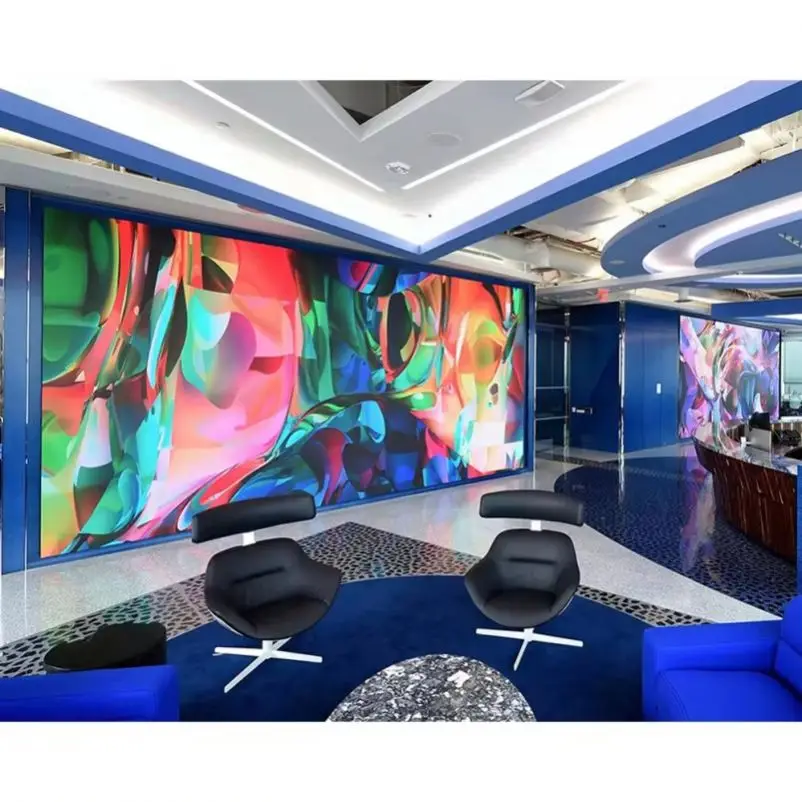
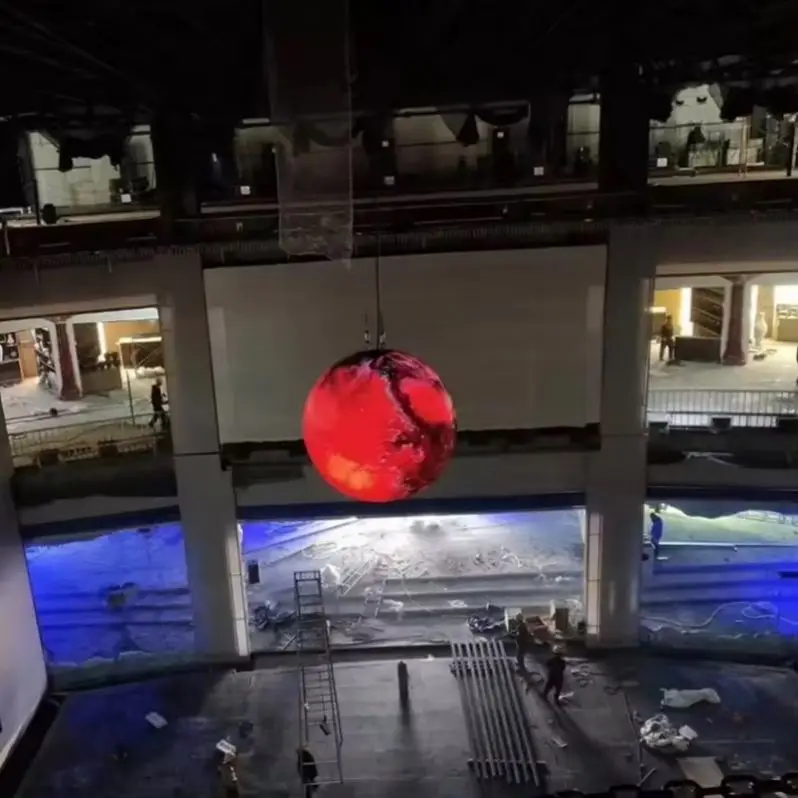
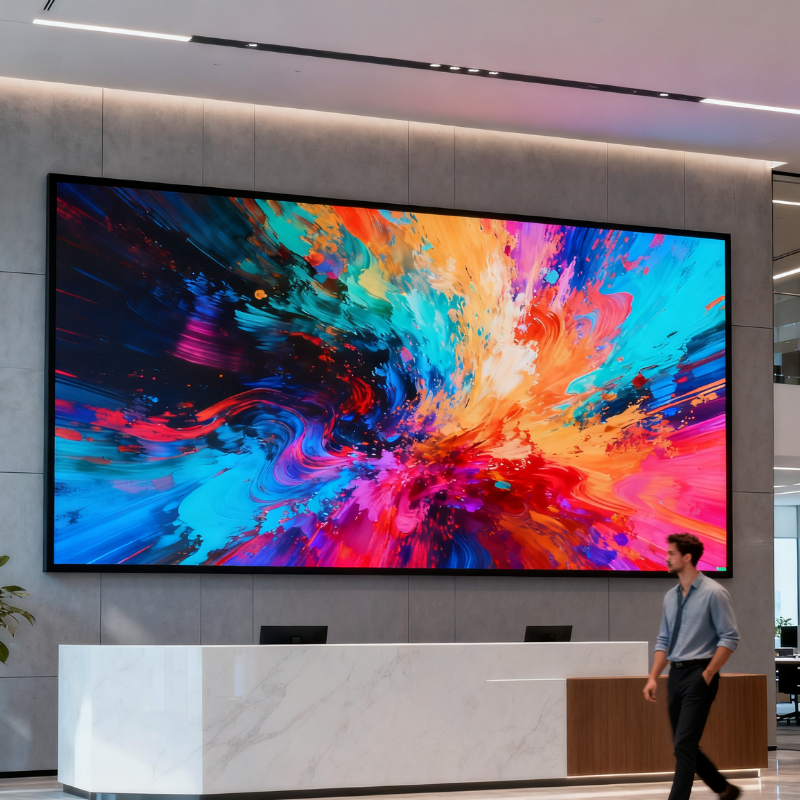
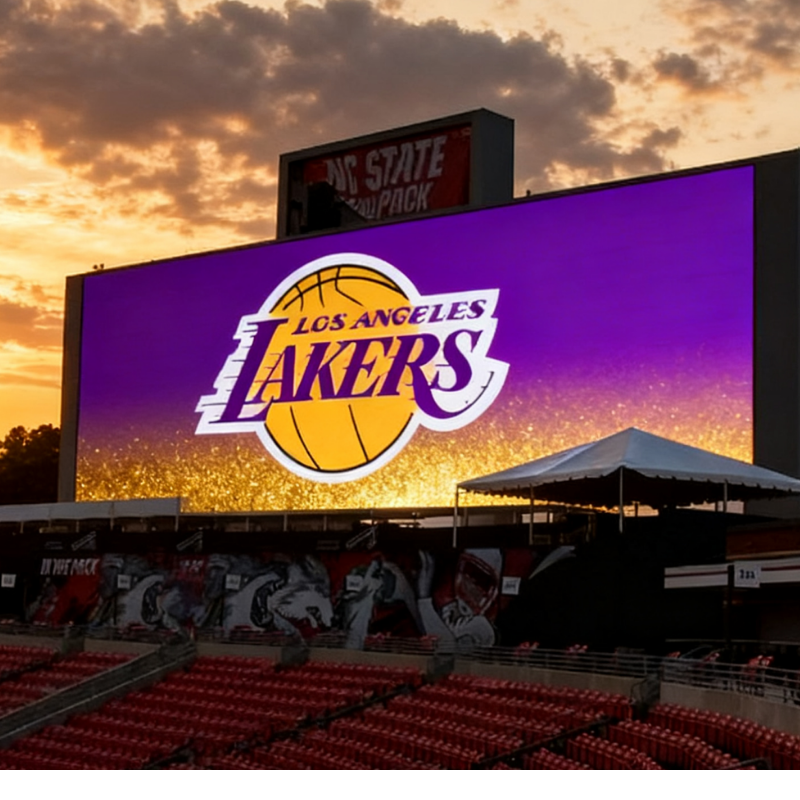
Sony first registered the trademark for Jumbotron back in the 80s, but what started as a specific brand name has become basically synonymous with those huge outdoor LED screens we see everywhere now. Sports arenas throughout North America and parts of Asia began putting them up all over the place to get fans more involved during games, and pretty soon nobody could remember who actually owned the original patent anymore. The term just stuck around like Kleenex or Xerox did years ago. Nowadays, anyone working on buying equipment or following industry guidelines from groups like the Digital Signage Federation or InfoComm will call any really big LED screen (anything over 500 square meters) a jumbotron regardless of which company made it. Looking at this change shows something interesting about technology that becomes so popular it starts changing how we talk about things, especially when it helps solve problems with making content visible and engaging for large crowds.
Three interdependent specifications define outdoor jumbotron performance:
When looking at specs for installation, procurement folks need to match them up with how the actual space looks. It's not just about how far seats are from the stage or screen, but also things like what might block people's views, how much natural light gets in, and what kind of content will be shown there. Take a baseball stadium as an example where fans sit at different distances from the field. The setup often includes tighter spacing near home plate where everyone wants a good view, but wider gaps further back. Meanwhile, proper heat control matters too. Equipment needs to handle extreme temperatures, sometimes going from freezing cold (-20 degrees Celsius) all the way up to blazing hot conditions (around 50 degrees). That's why many installations now come with special protective casings rated for harsh environments. Another big plus is that newer systems allow parts like cabinets or power units to be swapped out individually when they fail. This means equipment can keep running smoothly for well over 100 thousand operating hours before needing major overhauls, which cuts down on maintenance time significantly.
Modern stadium screens do much more than just show bigger pictures they're actually becoming the brains behind live event experiences. These giant displays work with fast camera systems that capture replays at super high speeds, sometimes over 120 frames per second. Referees can check questionable calls almost instantly while fans get to watch key plays again with sound and slow motion details added in. The scoreboards themselves update constantly, pulling fresh numbers from game tracking services like Stats Perform and SportRadar. Updates happen so quickly that stats, player positions, and ball movement appear on screen within a fraction of a second. Some stadiums now overlay extra info showing how fast players run, where shots land, or even color coded heat maps across the field. This kind of detail makes watching sports more interesting for everyone. Behind the scenes, stadium operators collect anonymous data from mobile devices and Bluetooth signals to manage crowds better, adjust food service operations, and plan for emergencies if needed. Features that let fans vote on screen or see what others are saying online have made people feel more connected to games. According to recent research from the Stadium Business Summit, these interactive elements boost fan engagement by around 40% during actual events.
The big screens at sports venues known as Jumbotrons are arguably the most powerful advertising tools available in live events today. Prices range from around $50,000 to $200,000 for just 30 seconds of prime time during key moments in top league games. Why? Because these giant displays deliver something traditional TV or online ads simply can't match – absolute certainty that people will see them, combined with massive crowds all watching at once. Smart technology now makes it possible to show different ads depending on what's happening in the game. For instance, beer companies get their messages out when fans are thirsty at halftime, while tech brands shine during those slow replay segments. Looking at returns on investment, there are basically three areas to consider. First, studies show brands generally remember their message better after seeing it on a Jumbotron compared to regular billboards – Nielsen found an average 35% boost in recall. Second, QR codes placed on these screens tend to work better than normal digital ads, generating about 22% more conversions. And finally, the money side looks good too. Most stadiums manage to pay back their initial costs within just 3 to 5 years. Venues also have these fancy control panels that track everything from how long people stare at the screen to whether they download apps or buy more tickets after seeing certain promotions.
Big outdoor screens have to deal with some pretty harsh conditions out there. Humidity, UV rays, dust buildup, and constant temperature changes all work together to shorten their lifespan. That's why IP65+ rating isn't just nice to have but absolutely essential for these displays. It means they can stand up to dirt getting inside and handle water spray from any direction, which matters a lot at beachside events, sandstorm-prone music festivals, or when someone decides to hose them down after a concert. Keeping things cool isn't just about adding metal fins either. Top quality systems actually blow air through them using smart fans that adjust speed based on what's happening inside, keeping temps stable within about 3 degrees Celsius of outside temperatures even after running nonstop for 12 hours straight. When paired with those bright 7500 nit displays that meet IEC standards, colors stay vibrant and contrasts remain sharp even under direct sunlight. All these features combined let these giant screens function reliably from freezing cold nights at -20°C right up to scorching heatwaves at 50°C. We've seen them working flawlessly at places like the Miami tennis tournament and Formula 1 races in Abu Dhabi where extreme weather is part of daily life.
When deciding between portable and permanent display systems, several factors come into play beyond simple mobility concerns. Deployment schedules, how well the equipment fits into existing structures, and what the whole lifecycle will actually cost matter most. Portable units focus on getting set up quickly. These typically feature lightweight carbon fiber cabinets (under 12 kg or 26 lbs), frames that lock without tools, and built-in power backups so crews can have everything running within four hours flat. That makes these great choices for events across multiple cities like Coachella or Tomorrowland, or when brands need temporary displays during roadshow campaigns. Permanent setups take a different approach altogether. They're built to last longer and deliver sharper visuals thanks to stronger steel bases, better pixel densities ranging from P3 to P5, and special curved designs that fit into buildings naturally. While they require bigger initial investments, their lifespan often stretches past 50,000 hours which justifies the expense over time. There's also growing interest in hybrid options similar to what we see at Formula 1 tracks. These semi-permanent installations sit on the ground with bolts securing them, allowing for seasonal changes without complete teardowns each time. When buying display technology, organizations need to consider how often they'll actually use it, whether image quality matters critically, and what kind of lasting impression they want to create at venues—not merely looking at sticker prices alone.
Procuring a jumbotron demands strategic evaluation across four pillars—technical fit, financial sustainability, vendor credibility, and future readiness. Per the 2023 Digital Signage Buyer's Survey, 68% of B2B decision-makers prioritize lifecycle value over first-cost, reflecting growing sophistication in infrastructure planning.
Matching specs to real world needs matters a lot. Touring concert promoters want something easy to move around and quick to check if something goes wrong on stage. Municipal stadiums need equipment that meets building codes and won't become obsolete within a decade. Don't waste money on features nobody will ever use just because they sound impressive. At the same time, don't skimp on basic reliability either. The best jumbotron isn't necessarily the biggest screen or the one with the most dazzling lights. It's the system built specifically for how it will actually be used day in and day out in whatever location it ends up sitting.
 Hot News
2025-05-27
2025-09-25
2025-09-23
 EN
EN