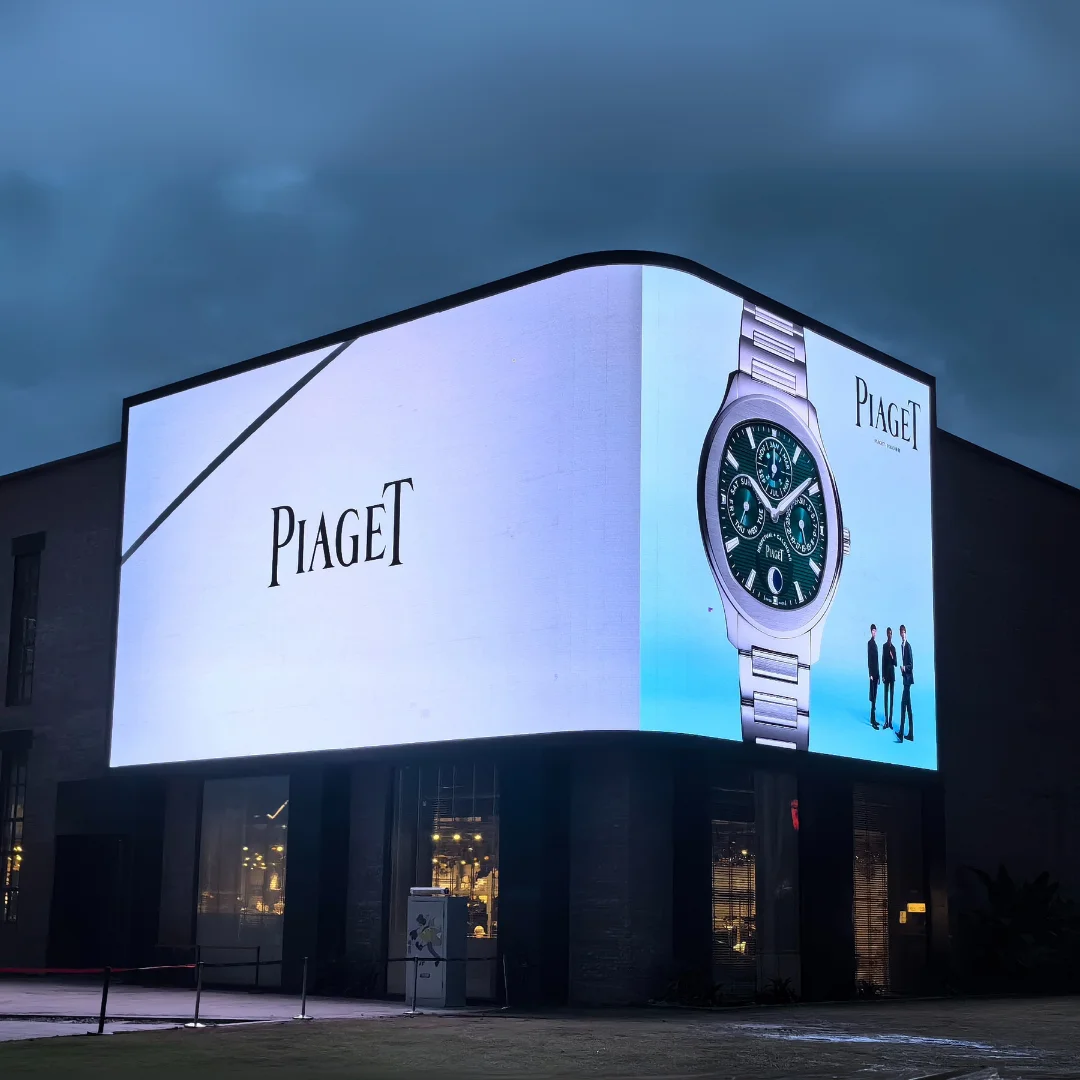
The magic of anamorphic perspective lies in turning ordinary flat surfaces into mind-bending 3D illusions through careful calculation of how light bends based on where viewers stand. The technique relies heavily on what artists call forced perspective, basically stretching and squishing images until they look like they pop right out of the pavement when someone looks at them from exactly the right spot. When working on installations for city streets, artists need to get really specific about how people actually walk past these pieces. Most effective results happen when distortions work for folks standing between 15 to 30 meters away, which is why many creators now use specialized 3D modeling tools to map out exactly how different parts of the artwork will be seen in real life. Even small mistakes matter a lot here. Something as tiny as a 5 degree angle shift can completely ruin the effect. That's why experienced designers often talk about seeing actual waterfalls flowing or wild animals jumping off walls during successful projects. Before anything gets permanently installed though, most professionals insist on doing test runs with temporary projections at the actual location. This lets them see if the illusion holds up under normal foot traffic conditions throughout the day.
Good lighting does more than let people see what's happening around them. It actually shapes how we experience space itself. When we talk about high contrast directional lighting, it creates real shadows that help our brains understand where things are in three dimensions. Modern LED systems can change their brightness levels throughout the day too. During sunny hours they might hit anywhere from 5,000 to 8,000 nits, then drop down to around 800 to 1,200 nits at night time. These ambient light sensors work behind the scenes to tweak brightness levels, warm up or cool down colors, and adjust how sharp those shadows look so everything still feels natural even when conditions change. This kind of smart adaptation makes all the difference for maintaining that realistic atmosphere no matter what time of day it is.
| Parameter | Daytime Setting | Nighttime Setting | Function |
|---|---|---|---|
| Luminance | 5000–8000 nits | 800–1200 nits | Combat ambient light |
| Color Temperature | 6500K | 3000K | Match environmental context |
| Contrast Ratio | ≥5000:1 | ≥3000:1 | Maintain depth illusion |
Anti-glare coatings prevent washout; frosted diffusers soften shadows for nuanced depth cues—avoiding the “flat cutout” effect common in underlit displays. Integrated thermal management sustains lumen output even when surface temperatures exceed 60°C in summer.
Kinetic components deepen dimensionality when synchronized with visual content—rotating gears seeming to turn toward viewers, or fluttering leaves suggesting parallax depth. Effectiveness hinges on three principles:
Wind-resistant actuators withstand 90 km/h gusts. Crucially, motion occupies ≤30% of display time to avoid sensory overload—strategically highlighting key 3D features. When layered with static depth cues, kinetic elements increase dwell time by 40%, per urban engagement studies.
Getting 3D billboards to work well in cities means figuring out just the right angles based on how people actually move around town. These days, city planners are turning to GIS tools to find the best spots where signs will be seen properly. They look at things like how tall buildings are nearby, how fast cars are going past, and how many folks tend to walk by certain areas. For places where pedestrians hang out, we usually need pretty tight viewing angles, maybe something under 40 degrees. But when setting up along highways, the angles can be much wider, somewhere between 60 and 70 degrees since drivers zip by so quickly. All this number crunching helps avoid those frustrating situations where part of the sign gets blocked by trees or other buildings standing in the way. The end result? Billboards that catch attention without making the streets feel cluttered or overwhelming for everyone passing through.
In 2023, an anamorphic art piece appeared at Yonge-Dundas Square in Toronto showing how certain viewing angles keep illusions working even when lots of people are around. The massive 12 meter display had what they called a 40 degree viewing area designed to work with how crowds move through the space. According to city reports, this setup kept the correct perspective for about three out of every four passersby during busy times. To deal with structural issues, artists tilted the billboard 15 degrees towards the southwest side. This positioning actually used sunlight to create deeper shadows without causing annoying reflections. Most importantly, the artwork looked good from nearly nine out of ten spots on the plaza while still passing all those strict Toronto building codes about wind resistance. What we learned is that getting the angles right lets creative ideas stand tall alongside practical requirements in city spaces.
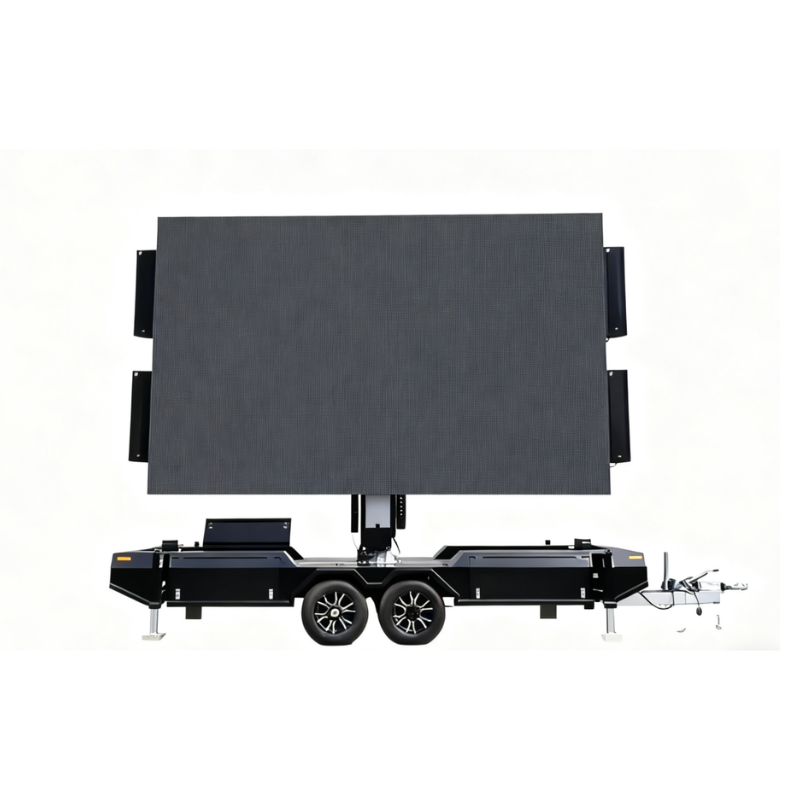
Structural strength is absolutely critical for outdoor 3D billboards, particularly those installed in areas exposed to winds exceeding 90 mph. Cantilever designs allow these bold three dimensional displays to stand up to twisting forces thanks to triangular support systems and smart load distribution across the structure. When choosing materials, engineers look for options that won't corrode easily and can handle temperature extremes ranging from minus 30 degrees Celsius to 50 degrees Celsius. These components need to be sealed properly too, which is why most installations use IP65 rated enclosures that keep water out no matter what weather conditions strike. Many manufacturers now opt for high quality aluminum frames combined with polycarbonate coverings. This combination offers excellent strength while keeping weight down about 40% compared to traditional steel solutions, plus it stands up better to sun damage over time. To deal with vibrations caused by passing vehicles, specialized dampening systems are incorporated into the design, restricting movement to just 2 millimeters even during strong windstorms. Expansion joints built into the framework at approximately 8mm per meter help prevent cracks from forming in regions with significant seasonal temperature changes. This attention to detail ensures that these massive advertising structures remain stable and visually sharp for many years despite constant exposure to harsh environmental factors.
 Hot News
2025-05-27
2025-09-25
2025-09-23
 EN
EN