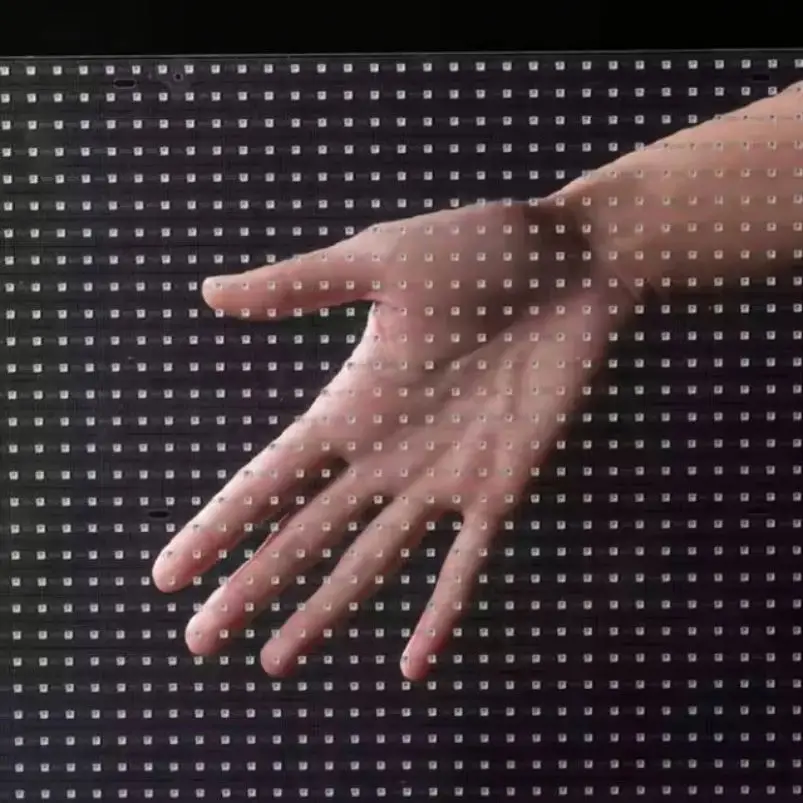
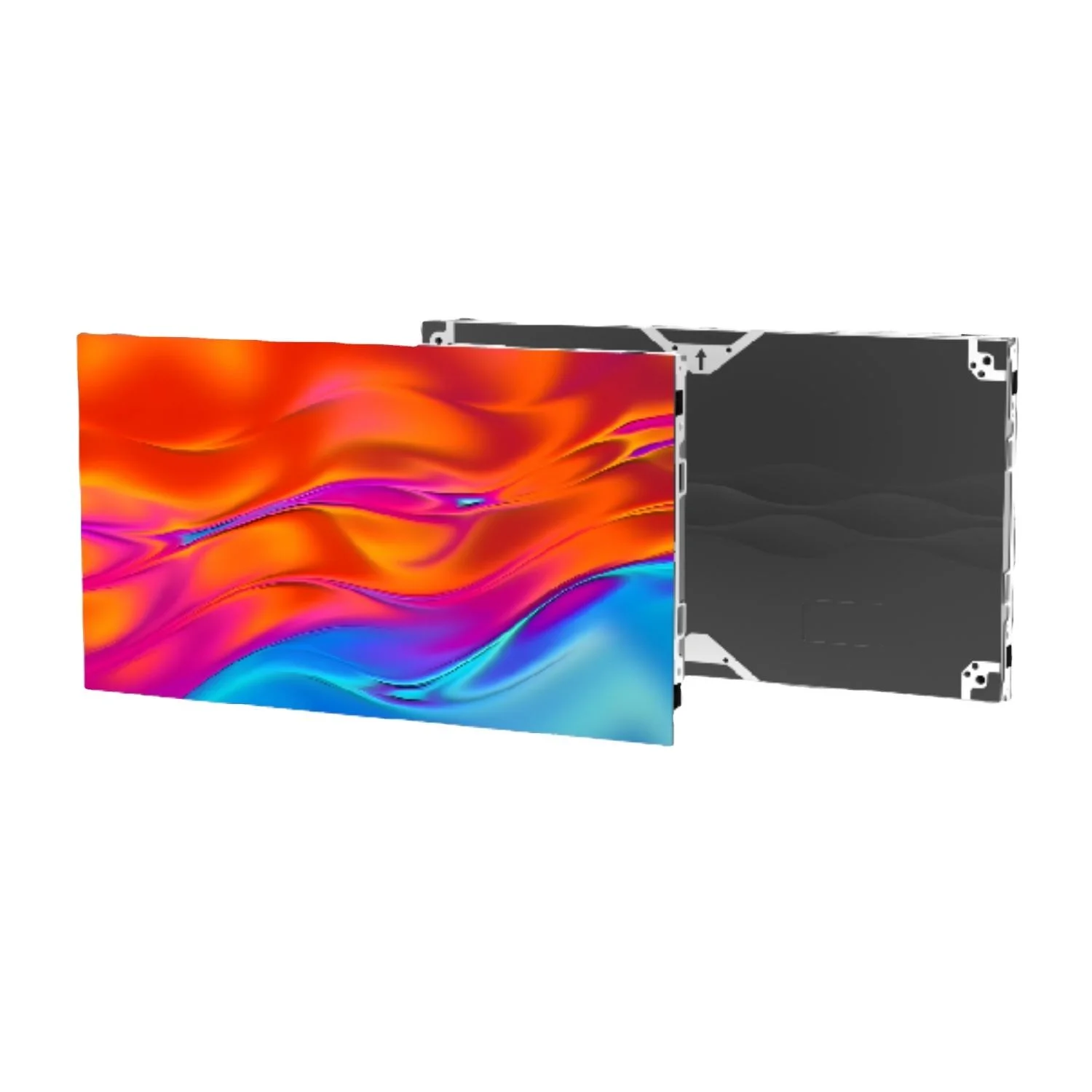
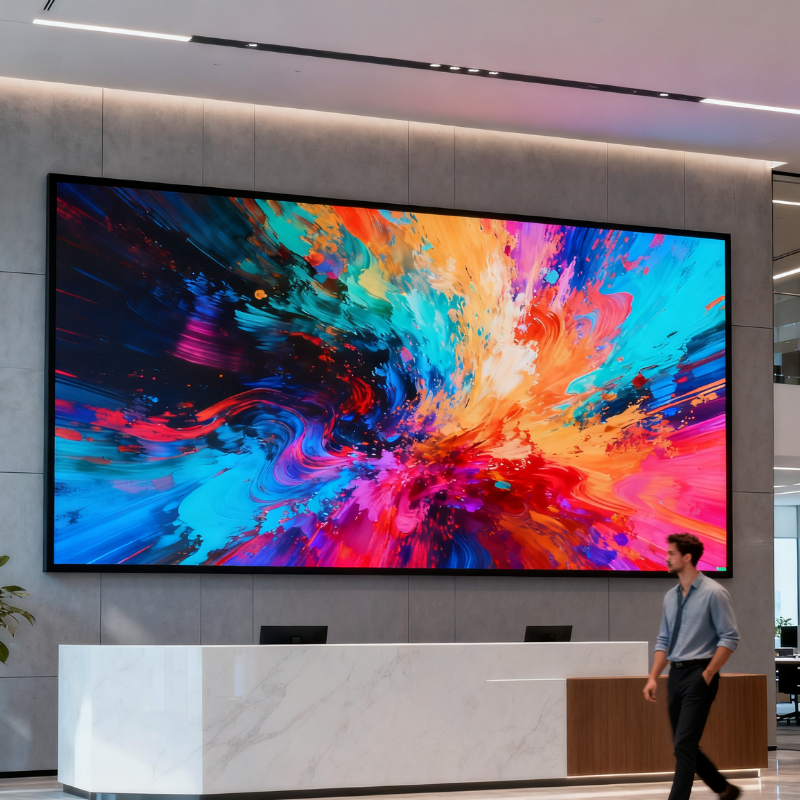
The latest advancements in LED TV technology are making it possible to integrate these displays seamlessly into luxury villa designs using fine pitch displays ranging from P1.25 to P2.5. With such narrow gaps between pixels, viewers get incredibly sharp images when sitting about 6 to 10 feet away, and there's no longer that annoying grid effect that breaks the experience. Residential models differ quite a bit from their commercial counterparts. They come with matte finishes that cut down on glare and have color temperatures set between 3000 and 4000K so they match better with the existing light in a room. Because of this attention to detail, installers can curve them or mount them flush against walls and ceilings where they look more like part of the architecture than just another piece of tech equipment.
The lifespan of MicroLED tech is seriously impressive, lasting over 100 thousand hours before any noticeable drop in brightness occurs, which makes these displays great choices for villas where they'll be on show for years. Regular LED televisions might save money upfront but generally start showing signs of wear after around 60k hours when used heavily in home theater setups. What sets MicroLED apart is its ability to hit 115% of the DCI-P3 color spectrum and reach those incredibly low 0.001 nit black levels without relying on organic materials. This means no worrying about image retention issues even when displaying static images for long periods. When it comes time for repairs, there's another big difference. With MicroLED's modular design, technicians can replace just one faulty panel rather than having to service entire units like with conventional LED TVs.
LED TVs today can show picture quality that rivals what we see in cinemas, thanks mainly to three key features. The first thing is how bright these screens get - some models go over 1,000 nits which means they still look great even when there's lots of sunlight coming through big windows in those fancy beach houses. Second, the contrast ratio matters a lot too. With native ratios around 1 million to 1, these TVs can actually turn off specific LEDs entirely, so black areas stay truly black instead of just looking darker gray. This makes all the difference when watching action movies where characters move through shadows. Third, most modern sets hit the DCI-P3 color standard, giving them access to about 45% more colors compared to regular RGB setups. That matches what directors use when creating films for theaters. When combined with HDR10+ and Dolby Vision technologies, all these elements work together to adjust brightness levels throughout different scenes. Bright explosions and sunny vistas retain their sparkle without blowing out details, while nighttime scenes maintain their depth and richness rather than turning into muddy messes.
Advanced LED TV installations leverage frame-by-frame optimization through dynamic metadata protocols. Unlike static HDR, these systems analyze each scene's luminosity requirements in real-time, instructing local dimming arrays to adjust specific zones independently. Consider a moonlit forest scene:
| Dimming Approach | Bright Elements | Dark Elements | Artifact Risk |
|---|---|---|---|
| Global Dimming | Compromised | Crushed | High |
| Basic Local (100 zones) | Partial detail | Moderate depth | Medium |
| Precision (1,000 zones) | Preserved highlights | True blacks | Minimal |
This granular control prevents halo effects around bright objects while sustaining 16-bit color depth for smooth gradients. Combined with 7,680Hz refresh rates, the result is artifact-free motion during high-speed sequences—whether Formula 1 races or action films—making premium LED TV solutions ideal for discerning residential environments.
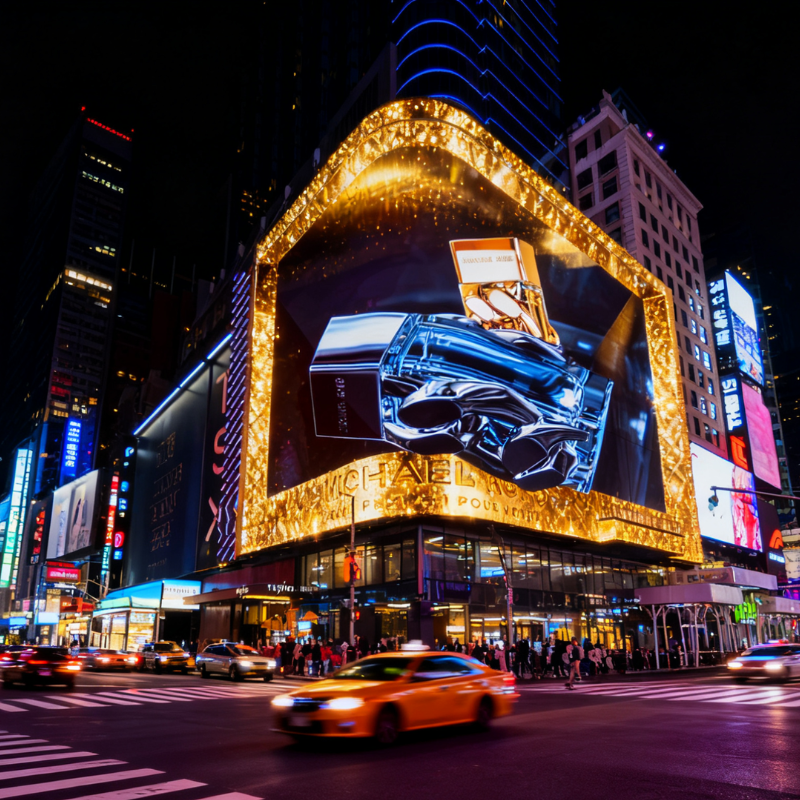
Luxury homes today are seeing LED TV walls become part of the architecture itself instead of just another appliance sitting there. When frames disappear completely, they stop interrupting what we see around us. And when screens mount right into walls, they look almost like paintings on canvas. Some curved models actually fit into odd shaped spaces better than straight ones do, making them stand out naturally within a room's layout. The really good ones have super thin bodies under an inch thick with tiny borders so nobody notices the tech competing against expensive decor choices. Putting these displays strategically turns ordinary walls into something special. Think about a main living area wall showing off changing artwork collections, or maybe a hallway screen that only appears when needed for extra functions. Special materials keep things cool enough so the surface doesn't warp over time, which means no ugly gaps forming after months of constant use. What we're seeing now is less about showing off gadgets and more about blending smart tech into beautiful spaces where it feels like it belongs rather than sticking out like a sore thumb.
Putting together big LED TV setups in luxury villas requires careful planning when it comes to how everything works together and fits into the surrounding environment. Thermal management matters a lot because these bright screens create quite a bit of heat. If there's not enough airflow in tight spots or areas where the TVs blend into walls, components tend to break down faster than they should. Most installers combine active cooling solutions with passive ventilation channels to keep things running smoothly while still maintaining those thin profiles needed for flush mounting against surfaces. Power backup is another key consideration. Having two separate power sources with automatic transfer switches plus built-in uninterruptible power supplies helps keep displays going even when electricity gets shaky, which is really important for those private home theaters that need to stay on all day long. When dealing with sound quality too, special panels that let audio pass through and super quiet cooling fans under 25 decibels help avoid unwanted noise coming from behind walls, so viewers get that full movie theater experience without distractions. All these considerations turn what was once just a big screen into something much more integrated and reliable within the overall architecture of upscale living spaces.
 Hot News
2025-05-27
2025-09-25
2025-09-23
 EN
EN