Architectural lighting has long relied on static fixtures that illuminate fixed paths and planes. The emergence of advanced emissive surfaces breaks that paradigm by turning building surfaces into dynamic, adaptive canvases. Rather than treating light as an add-on, designers can now embed it directly into walls, ceilings, and structural forms—creating environments that respond to human presence, time of day, and spatial function.
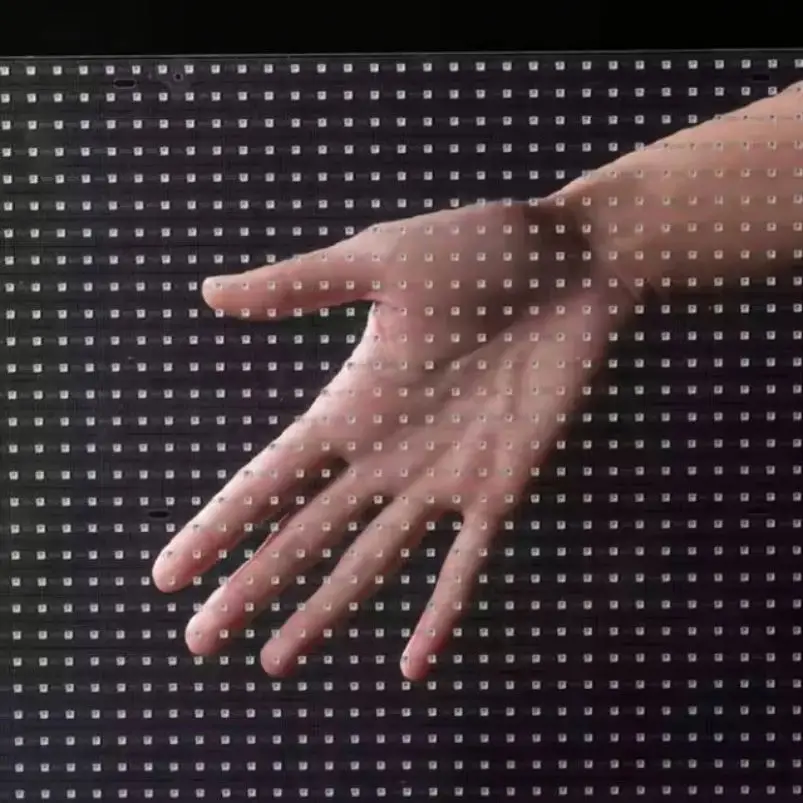
Modern architecture demands more than static illumination. Building envelopes are evolving into responsive interfaces that modulate light, color, and pattern to support occupant well-being and spatial experience. Flexible screens enable this adaptability by conforming to non-planar surfaces while delivering uniform brightness and color fidelity. They can transition from cool daylight tones in the morning to warm, circadian-friendly hues by evening—all while remaining virtually invisible when powered off. This aligns with human-centric design principles prioritizing visual comfort, emotional resonance, and biological rhythm support. Hospitals, museums, and corporate lobbies increasingly specify such adaptive envelopes to reduce glare, improve wayfinding, and create memorable atmospheres. As building standards like WELL Building Standard and LEED emphasize occupant health and energy efficiency, flexible screens deliver measurable value: they function simultaneously as high-performance lighting sources and intelligent information layers—supporting both net-zero goals and well-being-focused certification pathways.
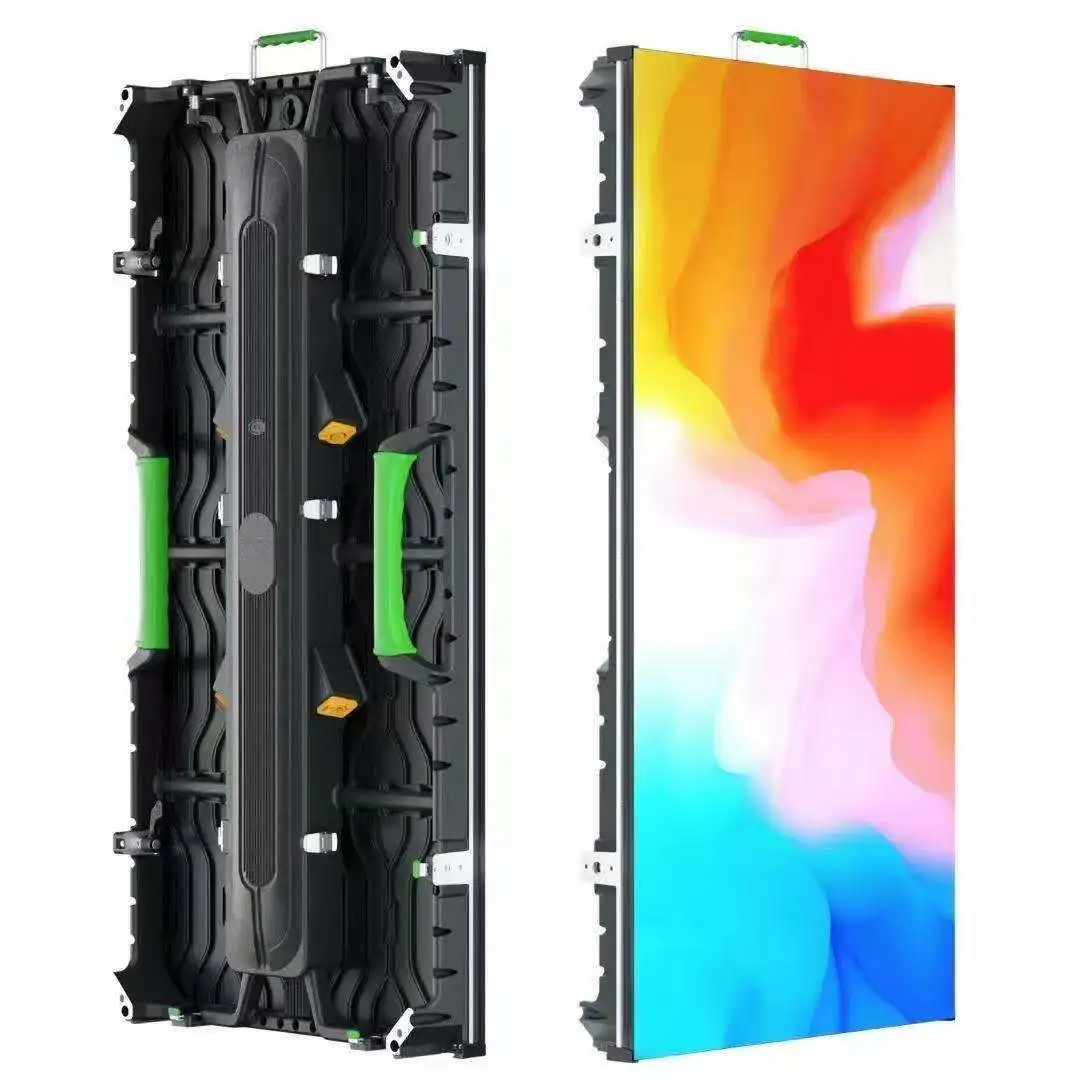
The physical attributes of these panels directly expand architectural possibilities. At less than one millimeter thick and weighing under two kilograms per square meter—roughly the weight of a layer of paint—they impose negligible structural load. Designers can suspend them from tensile ceilings, wrap them around slender columns, or embed them within curtain-wall systems without altering primary load paths. This contrasts sharply with traditional rigid LED panels that require steel framing, ventilation cavities, and deep plenums.
| Attribute | Traditional Rigid LED Display | Flexible Screen (<1mm, <2kg/m²) |
|---|---|---|
| Thickness | 10–50 mm | <1 mm |
| Weight | 10–30 kg/m² | <2 kg/m² |
| Substrate requirement | Flat, reinforced surface | Curved, gypsum, metal, concrete |
| Cavity depth needed | 200 mm for cooling/access | None (surface-mount) |
Such specifications let architects preserve valuable floor space and ceiling height while integrating high-resolution media. A curved lobby wall, for instance, can display artwork or brand messaging without the visual clutter of a bulky frame. Uniform pixel performance across bends—enabled by flexible circuit boards and silicone encapsulation—ensures that even at tight radii, image quality remains consistent. This marriage of minimal mass and maximum emissive power is redefining what a building surface can express.
Modern architecture demands lighting that disappears into the built environment. Flexible screen technology answers this call by eliminating bulky enclosures and protruding frames. These panels conform to the plane of any surface, turning walls, ceilings, and structural columns into seamless light-emitting canvases. The result is a unified aesthetic that preserves the designer’s original vision while adding dynamic illumination.
Achieving true integration requires a flexible screen that adheres directly to a wide range of construction materials. Advanced bonding methods attach ultra-thin LED layers to gypsum, metal, concrete, and curved composite panels without gaps or visible fasteners. This direct-contact approach eliminates the need for extra support structures, reducing overall thickness to less than 1 mm. On curved surfaces, the panel’s malleability ensures uniform contact and consistent light output, even on radii as tight as 150 mm. Architects can now specify a single seamless light layer across walls, columns, and irregular forms, maintaining visual continuity throughout the space.
Traditional fixed displays demand recessed cavities and bulky frames, interrupting clean sight lines. Flexible screens remove these constraints entirely. By using frameless modules and surface-conforming adhesive backings, the display becomes an invisible layer that sits flush with the surrounding material. There are no visible edges, no brackets, and no depth penalties in corridors or lobbies. This method also protects internal components from dust and physical impacts, as the display is shielded by the wall surface itself. The result is a minimalist installation that feels like a natural extension of the architecture—light that appears to emerge from the structure rather than being added to it.
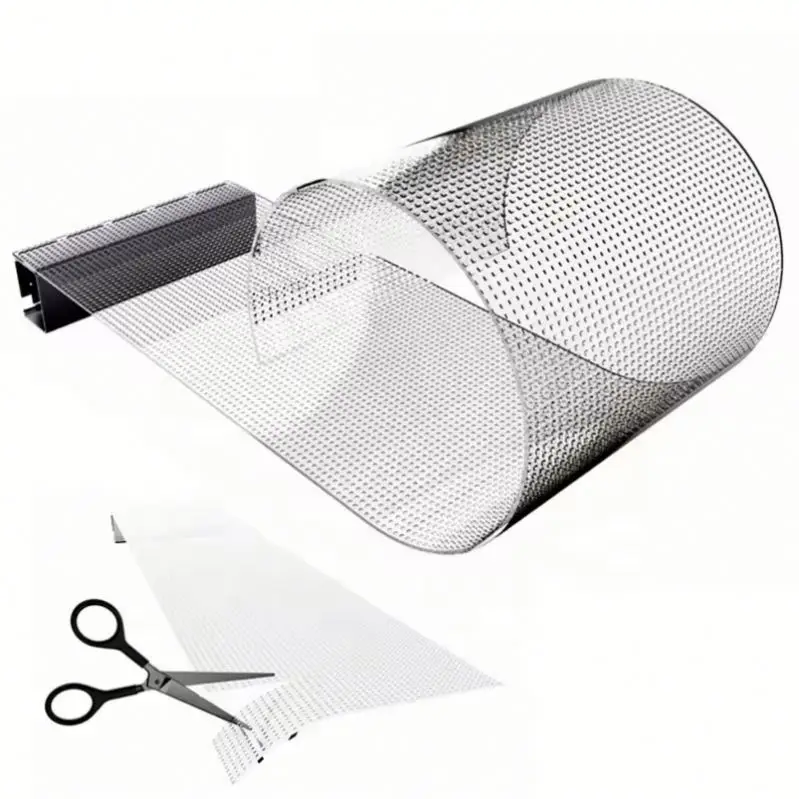
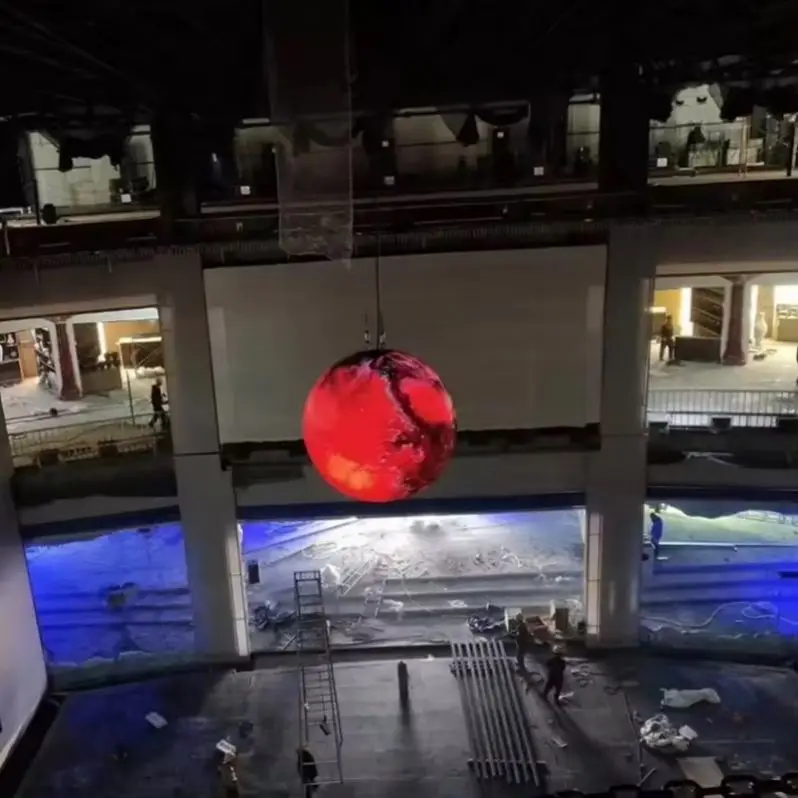
Flexible screen technology liberates architectural lighting from the constraints of standard rectangular panels. Designers can now create non-standard shapes—wave-like ribbons, circular apertures, or freeform organic contours that flow with the building’s geometry. This adaptability allows light to become an extension of the architecture itself, hugging curved walls, vaulted ceilings, and irregular surfaces without visible seams. The result is a spatial lighting experience that feels natural and immersive, adding depth and movement to interiors. Whether forming a spiral accent or a subtle gradient across a sculpted column, these screens make previously impossible geometries both feasible and visually coherent.
Achieving such design freedom relies on precise engineering. A minimum bend radius of 150 mm enables the screen to wrap tight curves without pixel distortion, while uniform pixel performance ensures consistent brightness and color reproduction across every curved section. Thermal stability further guarantees that the panel maintains structural and visual integrity even under prolonged operation in enclosed or sun-exposed areas. Together, these enablers give architects the confidence to experiment with complex forms, knowing the flexible screen will deliver reliable, high-quality illumination in any custom shape.
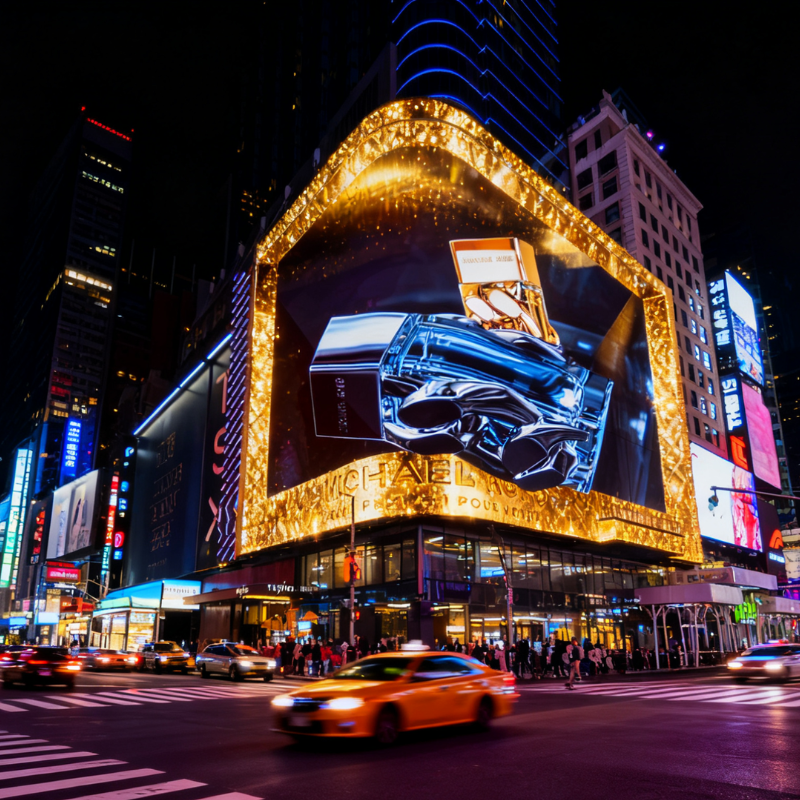
Flexible screen technology revolutionizes large architectural projects by drastically reducing installation complexity and labor time. Its modular design allows rapid deployment across vast surfaces like atriums or building facades—installers report up to 40% faster project completion compared to traditional rigid panels. This scalability extends to adaptive configurations; systems integrate seamlessly whether covering 10 m² or 10,000 m² while maintaining consistent optical performance. Lightweight properties (<2 kg/m²) eliminate heavy structural reinforcements, and simplified low-voltage connection systems enable plug-and-play functionality. For complex geometries, factory-preformed modules ensure on-site assembly precision, minimizing custom fabrication delays. This operational efficiency translates directly into cost predictability—critical when managing multi-phase developments where lighting integration often bottlenecks timelines.
What are flexible screens in architectural lighting?
Flexible screens are ultra-thin, lightweight emissive surfaces that integrate into architectural elements like walls, ceilings, and columns, enabling adaptive and dynamic lighting solutions.
What benefits do flexible screens provide over traditional rigid LED panels?
Flexible screens are thinner, lighter, and don’t require bulky support structures or cavities, offering seamless integration onto diverse surfaces and supporting innovative architectural designs.
How do flexible screens enhance occupant well-being?
These screens enable human-centric lighting by adjusting light tones and intensity to support circadian rhythms, reduce glare, and enhance spatial comfort.
Can flexible screens handle curved surfaces?
Yes, flexible screens are designed to conform to curved surfaces, with a minimum bend radius of 150 mm, ensuring uniform brightness and high-quality illumination regardless of geometry.
What makes flexible screens energy-efficient?
Flexible screens combine lightweight properties and low voltage systems, aligning with energy standards like LEED while providing efficient and high-performance lighting solutions.
 Hot News
2025-05-27
2025-09-25
2025-09-23
 EN
EN