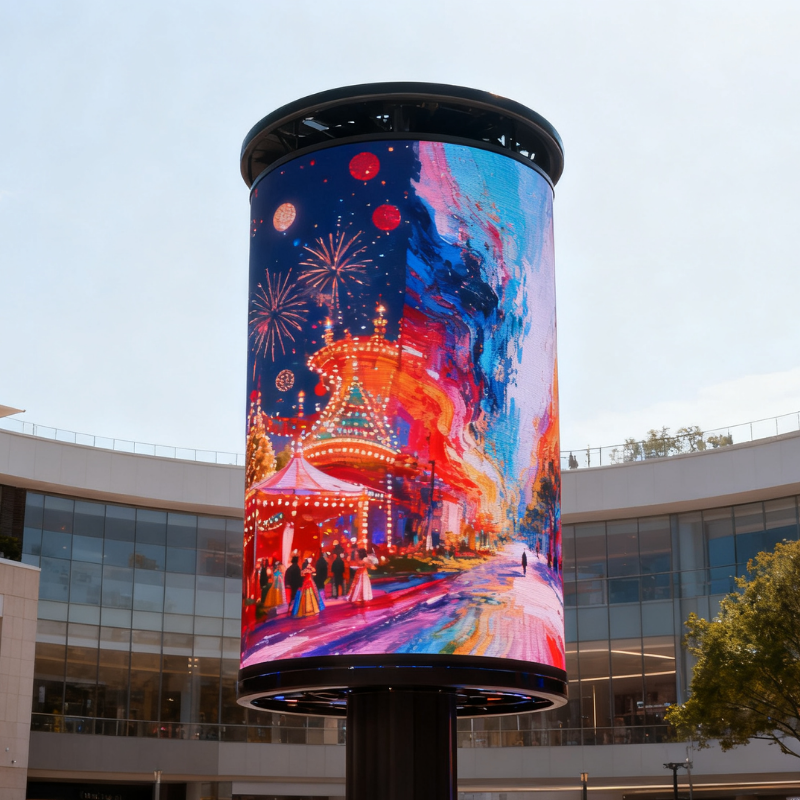
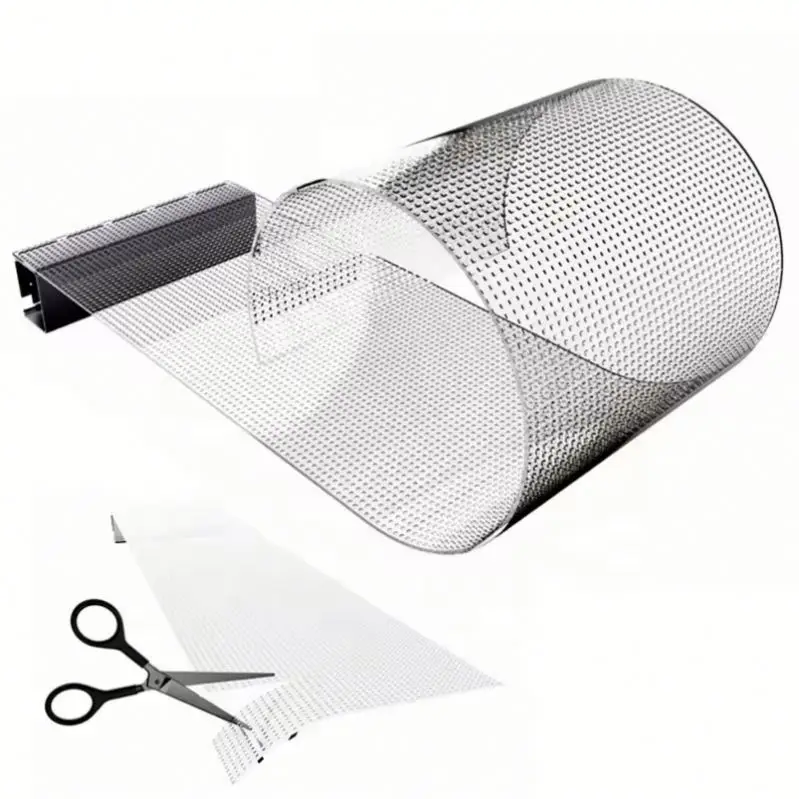
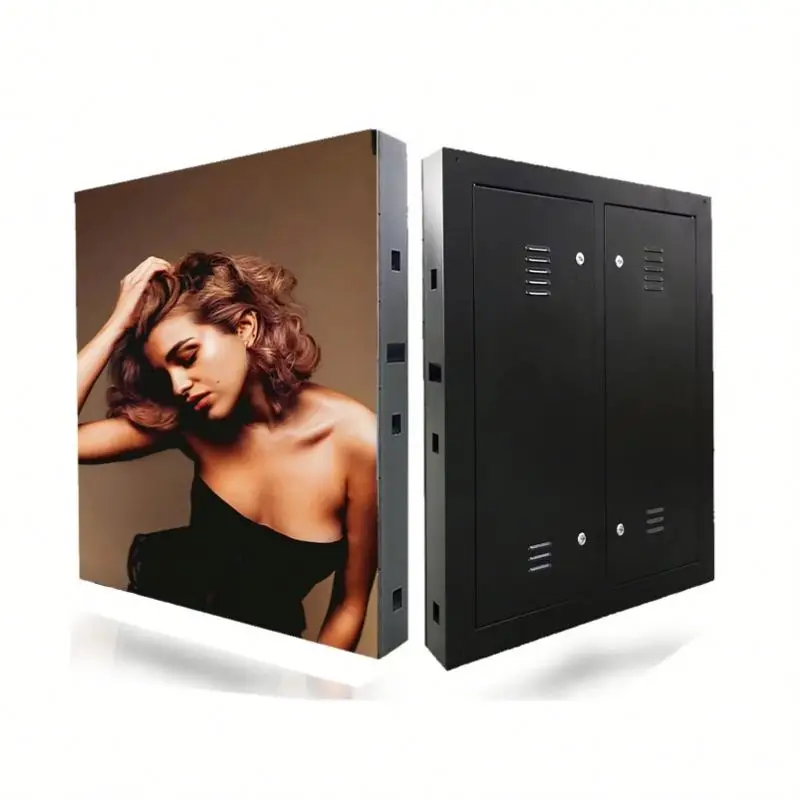
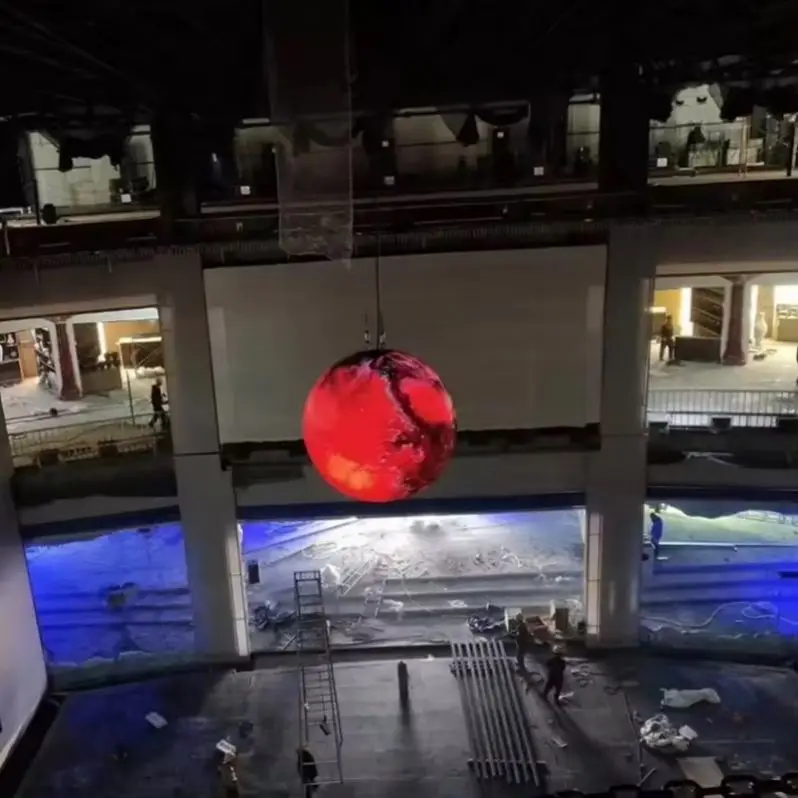
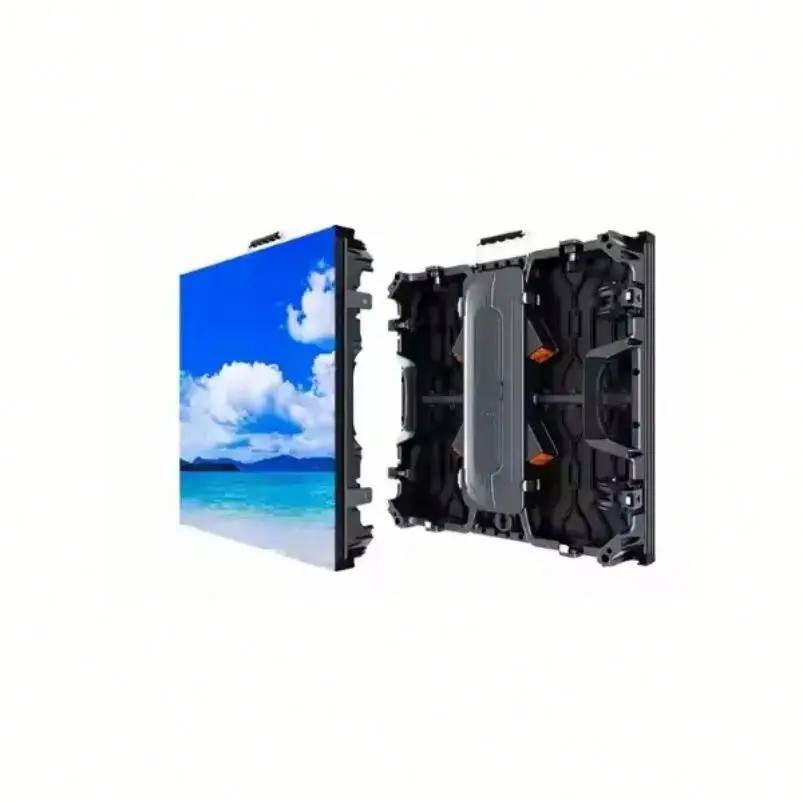
Outdoor LED screen rental requires exceptionally high brightness—typically 5,000–10,000+ cd/m² (nits)—to remain legible under direct sunlight. This is 2–3× higher than indoor displays (800–2,500 nits), where solar glare isn’t a factor. Below 5,000 nits, outdoor screens suffer over 70% visibility loss in peak daylight, per industry standards from the International Committee for Display Metrology (ICDM) and widely adopted by major rental providers like PRG and VER.
Indoor LED screen rental prioritizes visual comfort over raw luminance. Excessive brightness causes eye strain in controlled environments like conference halls or trade show booths. Instead, designers optimize for ~1,500 nits—sufficient for clarity under typical exhibition lighting—paired with anti-reflective coatings and matte surfaces that diffuse ambient light without increasing power draw. This balance preserves image fidelity while supporting energy-efficient, multi-day deployments.
Environmental protection is non-negotiable for reliability. Outdoor LED screen rentals require IP65-rated cabinets—fully dust-tight and resistant to low-pressure water jets—making them suitable for rain, windblown dust, and festival conditions. Real-world validation shows IP65 units maintain full functionality after 12 hours of continuous rain exposure. In contrast, indoor rentals typically use IP30-rated enclosures, which only guard against solid objects larger than 2.5 mm—adequate for climate-controlled venues but wholly unsuited for outdoor use. IP30 units often fail within 30 minutes when exposed to moisture or particulates.
Venue infrastructure dictates viable LED screen rental configurations. Ballrooms and convention centers commonly enforce ceiling load limits of 100–150 PSF, favoring lightweight indoor panels deployed as freestanding structures or truss-mounted displays. Outdoor festivals demand rugged, stackable cabinets rated for heights exceeding 30 feet—but require engineered foundations to withstand wind loads above 50 mph, as outlined in the Venue Safety Council’s 2023 guidelines. Clearance needs also vary: convention centers often mandate 8-foot service aisles behind displays, while outdoor setups prioritize compact rear-access designs to minimize footprint on uneven terrain.
Indoor LED screen rental systems use modular 500×500 mm panels with magnetic connectors and aluminum frames weighing under 22 lbs—enabling rapid assembly by small teams at ~100 sq ft/hour. Their slim profile and tool-free repositioning support mid-event adjustments. Outdoor cabinets integrate reinforced corners, weatherproof locking mechanisms, and ergonomic handles—but weigh 65–90 lbs each. While built for durability, this mass and added structural verification (e.g., wind bracing, grounding checks) extend setup time: a standard 20′×12′ indoor display achieves full operation in under 90 minutes; comparable outdoor installations require 3+ hours.
Choosing the right LED screen rental solution depends on venue conditions, audience distance, and environmental exposure—not just budget or size.
Indoor LED screen rental excels in controlled, high-traffic environments like convention centers and corporate stages. These applications demand fine pixel pitch (P1.2–P2.5), wide viewing angles, and precise color calibration to render financial dashboards, product close-ups, and speaker visuals with clarity—even from side-stage positions. Lighter weight and slimmer depth simplify integration into tight booth footprints or multi-tiered stage builds. Crucially, lower brightness (800–1,200 nits) prevents visual fatigue during multi-hour sessions under artificial lighting—enhancing attendee engagement and professional perception.
Outdoor LED screen rental is essential where environmental resilience and long-distance readability converge. Ultra-high brightness (5,000–10,000+ nits) ensures content remains visible at noon, while IP65-rated enclosures protect against rain, dust, and thermal cycling—critical for multi-day festivals or roadside activations. Structural rigidity supports wind loading and stacking on uneven ground, and larger pixel pitches (P4–P10) preserve image coherence across stadium-scale audiences. Whether relaying live feeds at concerts or delivering bold brand messaging at outdoor pop-ups, these displays are engineered for performance under duress.
True cost extends far beyond daily rental fees—and hinges on operational realities tied to environment and usage.
Base rates reflect size and resolution: indoor panels average $200–$500/day; large outdoor configurations start at $500–$1,000+/day. However, operating expenses diverge sharply. Outdoor screens consume 30–50% more power—often necessitating diesel generators with associated fuel, noise mitigation, and permitting costs. Weather-related disruptions introduce hidden liabilities: heavy rain or extreme heat can halt events, triggering rescheduling fees or contractual penalties. Maintenance also differs—IP65-rated outdoor units endure the elements but require post-event cleaning and corrosion checks; indoor screens need minimal servicing. Factoring in energy, contingency planning, and upkeep, outdoor LED screen rentals typically cost 40–60% more to operate than indoor equivalents over a standard event cycle.
“Nits” is a measure of brightness, or luminance, used in display technology. It quantifies light emitted per square meter, with higher nits values indicating greater brightness. Outdoor LED screens often require 5,000–10,000+ nits to remain visible under direct sunlight.
IP ratings indicate how well LED screen enclosures protect against environmental factors like dust and water. Outdoor screens typically have an IP65 rating, ensuring durability in adverse weather conditions, while indoor screens commonly carry an IP30 rating suitable for controlled indoor environments.
Beyond daily rental fees, costs include power consumption, setup complexity, weather-related risk, and maintenance. Outdoor screens tend to have higher costs due to higher power needs, weatherproofing, and post-event cleaning, whereas indoor screens are simpler and less expensive to maintain.
No, indoor LED screens are not designed for outdoor environmental conditions. They lack the brightness needed for sunlight visibility and are not sufficiently weatherproof to withstand rain, dust, or extreme temperatures.
 Hot News
2025-05-27
2025-09-25
2025-09-23
 EN
EN