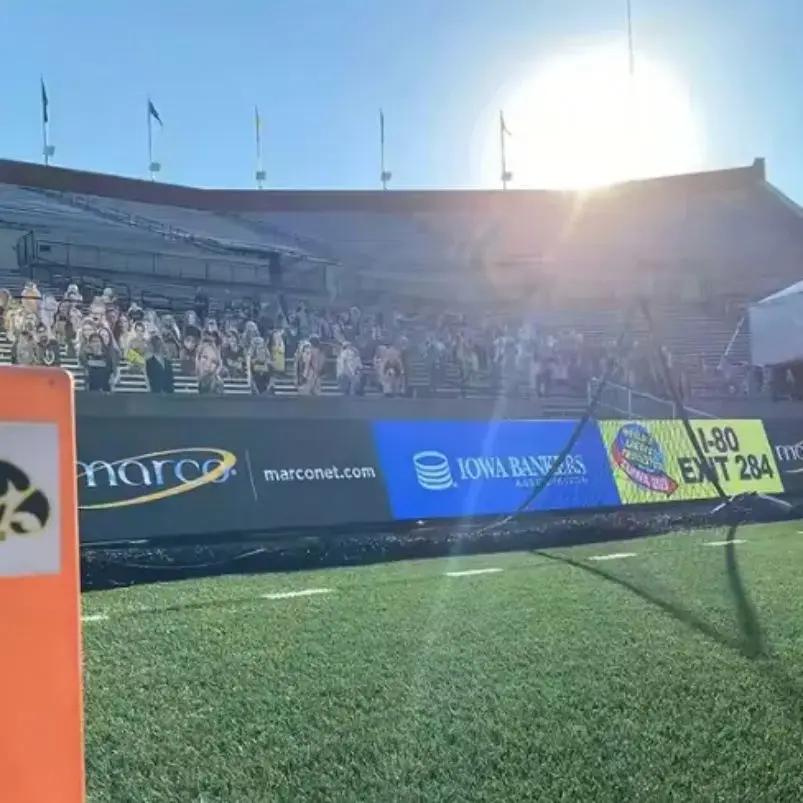
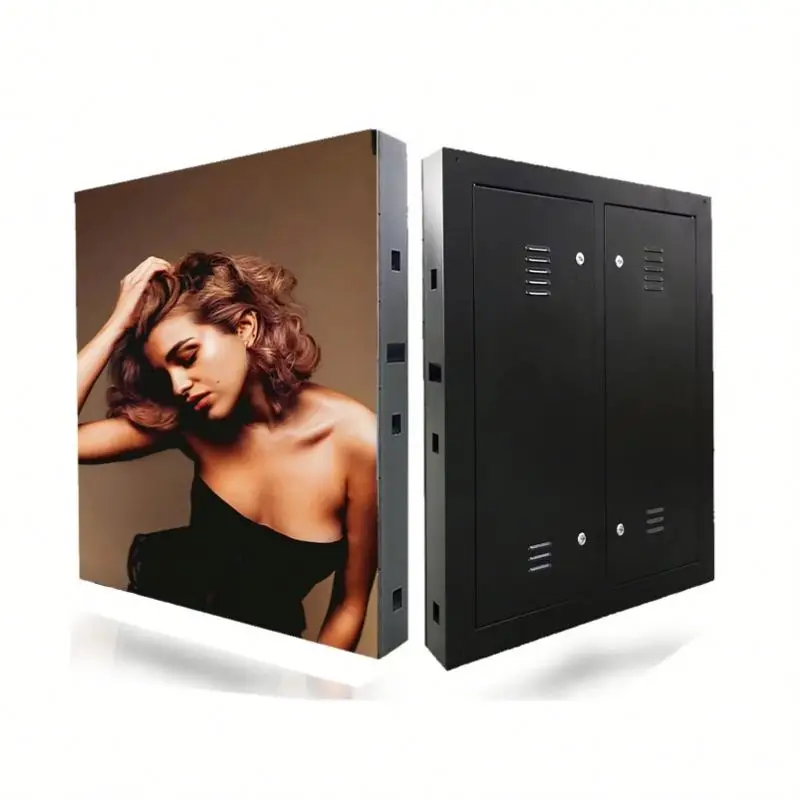
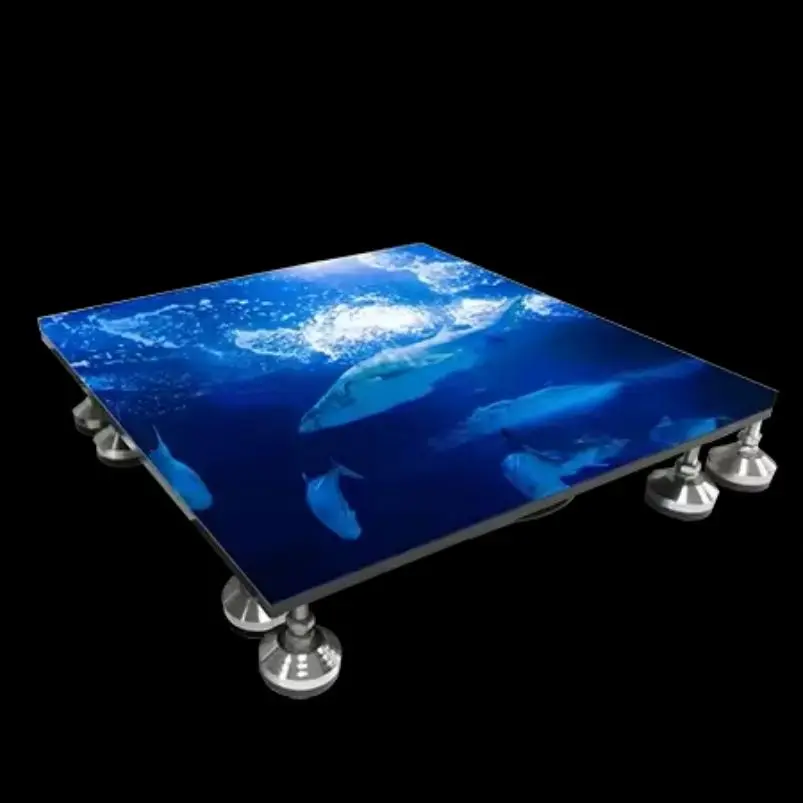
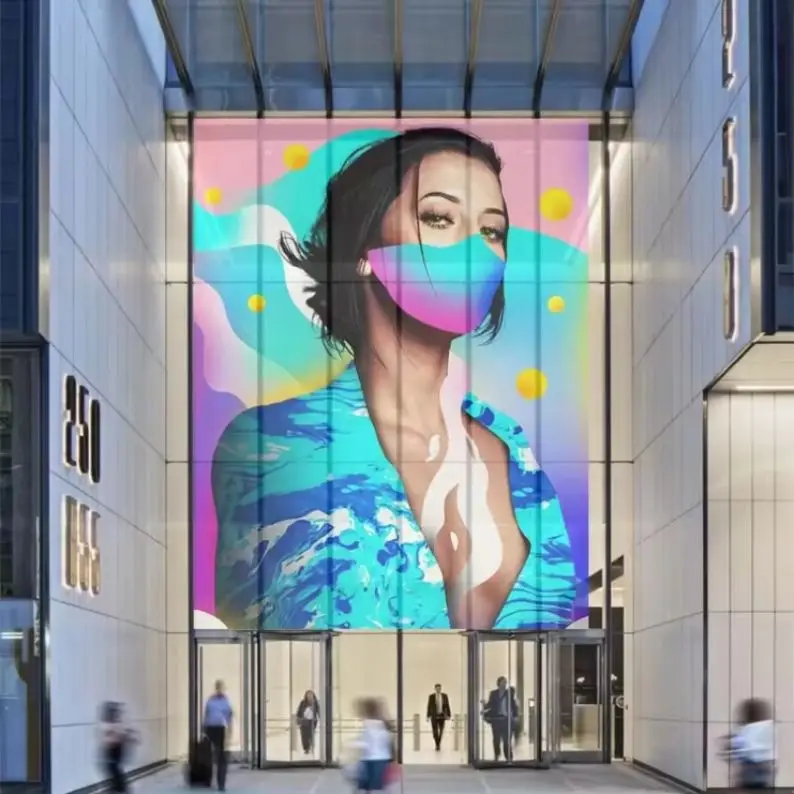
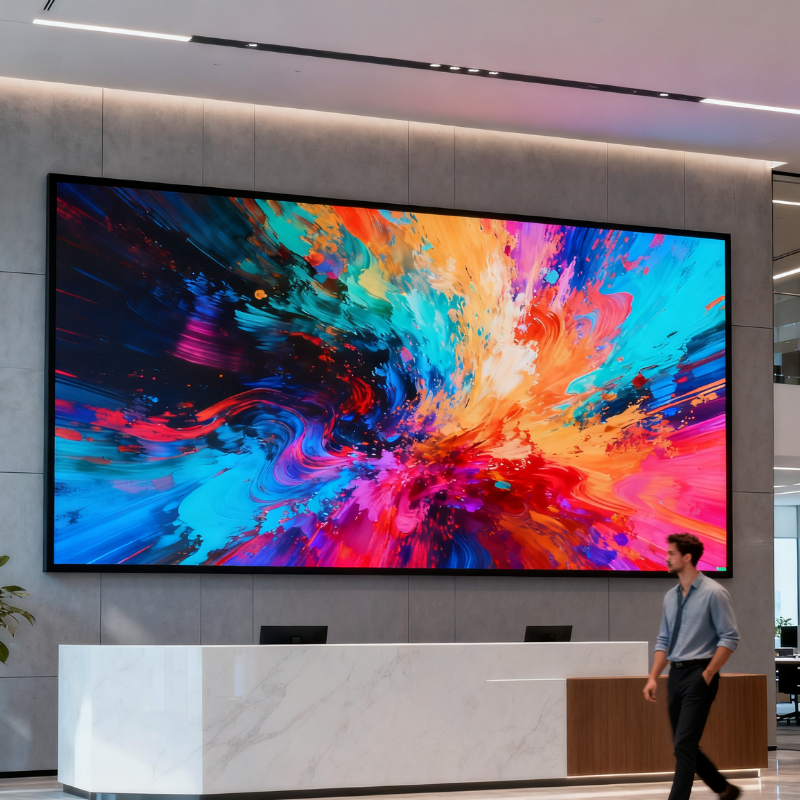
Traditional static backdrops struggle to stand out in today’s crowded trade show environment. Exhibitors are increasingly adopting dynamic modular LED screen walls—not just for visual appeal, but as strategic tools for real-time storytelling and brand agility. These displays deliver high-brightness, motion-rich visuals and instant content updates that printed banners simply can’t match. A well-designed modular LED wall transforms a booth into an immersive storytelling hub, drawing attendees from across the hall while reinforcing brand presence with professional polish. Crucially, replacing fixed graphics with programmable screens allows companies to refresh messaging for each event—no new prints, no retooling, and no wasted budget. This shift reflects a broader industry move toward flexible, tech-enabled exhibits that drive engagement, recall, and measurable ROI.
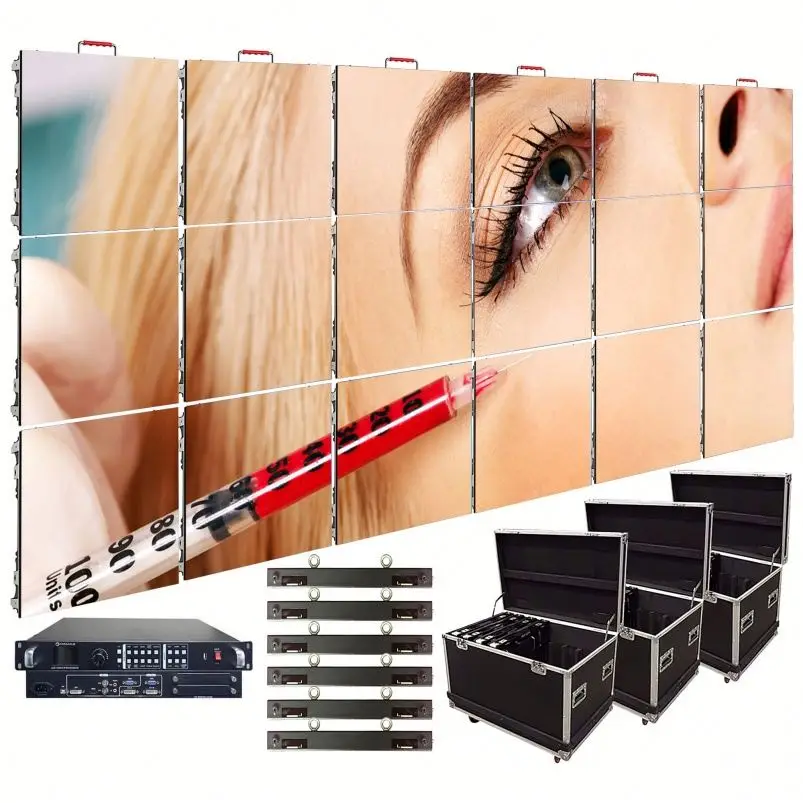
Modular LED screen walls offer unmatched adaptability—enabling exhibitors to configure displays precisely to their booth size, shape, and flow. Lightweight panels snap together quickly, supporting flat, curved, or L-shaped layouts without structural reinforcement. This flexibility ensures every inch of available space contributes to visual impact, while maintaining an open, uncluttered floor plan that supports visitor movement and product interaction. Thoughtful panel placement can subtly guide foot traffic toward key zones—boosting dwell time and lead capture opportunities. Because the same system scales effortlessly across 10×10, 20×20, or island booths, brands achieve consistency across shows without redundant hardware investments. In short, modular LED walls deliver cinematic presence and functional intelligence—enhancing both attention and experience.
Pixel pitch is the most critical technical factor when selecting screen walls modular screens for trade shows. For typical indoor viewing distances (2–8 meters), a pixel pitch between P2.5 and P3.9 strikes the ideal balance of clarity, cost-efficiency, and scalability. Brightness must be calibrated to ambient lighting: 600–1,500 nits suffices for standard indoor halls, while venues with strong overhead lighting or skylights may require up to 3,000 nits—though exceeding this threshold risks glare and viewer fatigue. To determine minimum optimal viewing distance, divide the pixel pitch (in mm) by 0.3—for example, a P2.5 screen delivers crisp imagery from ~8 meters away, making it ideal for mid-size booths. Getting this right avoids overspending on unnecessarily fine resolution or under-delivering on legibility.
Trade show logistics demand systems built for speed, durability, and mobility. Top-tier rental-ready modular LED cabinets weigh under 15 kg each and feature tool-free locking mechanisms, integrated power/data connections, and front-access serviceability—eliminating cable clutter and minimizing setup time. A standard 960 × 800 mm display built from fifteen 320 × 160 mm modules can be assembled by two technicians in under 30 minutes. Equally important is transport resilience: look for cabinets engineered to withstand 100+ assembly cycles and stack securely into airline-compliant flight cases. These features reduce labor costs, cut pre-show downtime, and enable rapid reconfiguration across events—turning hardware investment into long-term operational advantage.
Modular LED screen walls unlock powerful spatial storytelling through curved, L-shaped, and hanging configurations—each serving distinct strategic goals. Curved walls create immersive, theater-like experiences that envelop viewers in branded content; L-shaped builds maximize corner real estate or form bold, signature silhouettes; hanging installations free up valuable floor space, a critical advantage in dense exhibition halls. When designing, align configuration choices with brand voice—smooth curves convey sophistication and approachability, while sharp angles project innovation and precision. At the same time, modularity enables rapid adaptation to irregular floor plans or venue restrictions, ensuring visual impact isn’t compromised by physical constraints. The result is a display that feels intentional, memorable, and authentically aligned—both spatially and emotionally—with the brand it represents.
Integrating interactive accessories transforms modular LED screen walls from compelling backdrops into active engagement engines. Touch overlays, motion sensors, and gesture-based navigation empower attendees to explore product specs, trigger animations, launch demos, or participate in live polls—all directly on the display surface. These hands-on interactions increase average dwell time by up to 300%, according to Digital Signage Federation field studies, while strengthening emotional connection and information retention. Modern systems also support seamless software integration—pulling in live social feeds, CRM-triggered content, or real-time analytics dashboards. By combining hardware flexibility with intuitive interactivity, exhibitors turn passive observation into participatory experience—creating data-rich, human-centered environments where branding, education, and engagement converge.
What are the advantages of modular LED screen walls over static backdrops?
Modular LED screen walls provide dynamic, real-time content updates, high-brightness visuals, and adaptability for various booth sizes and shapes. They enhance engagement and allow for easy brand messaging updates without reprinting materials.
How do you choose the right pixel pitch for a modular LED screen?
A pixel pitch between P2.5 and P3.9 is ideal for indoor trade shows, balancing clarity, cost, and scalability. Choose based on expected viewing distances—divide the pixel pitch (in mm) by 0.3 to calculate the optimal minimum viewing distance (in meters).
Are modular LED walls easy to assemble and transport?
Yes, top modular LED systems are designed for speed and mobility. Lightweight panels, tool-free locking mechanisms, and flight case compatibility make them easy to set up, transport, and reconfigure across events.
What interactive features can enhance modular LED screens?
Interactive accessories like touch overlays, motion sensors, and gesture-based navigation increase attendee engagement, enabling users to explore content, trigger animations, or participate in live polls. These features create immersive and memorable experiences.
Can modular LED screens work in different booth configurations?
Yes, modular LED walls are highly adaptable to various configurations like curved, L-shaped, and hanging designs. These setups enhance spatial storytelling while accommodating floor plan constraints.
 Hot News
2025-05-27
2025-09-25
2025-09-23
 EN
EN