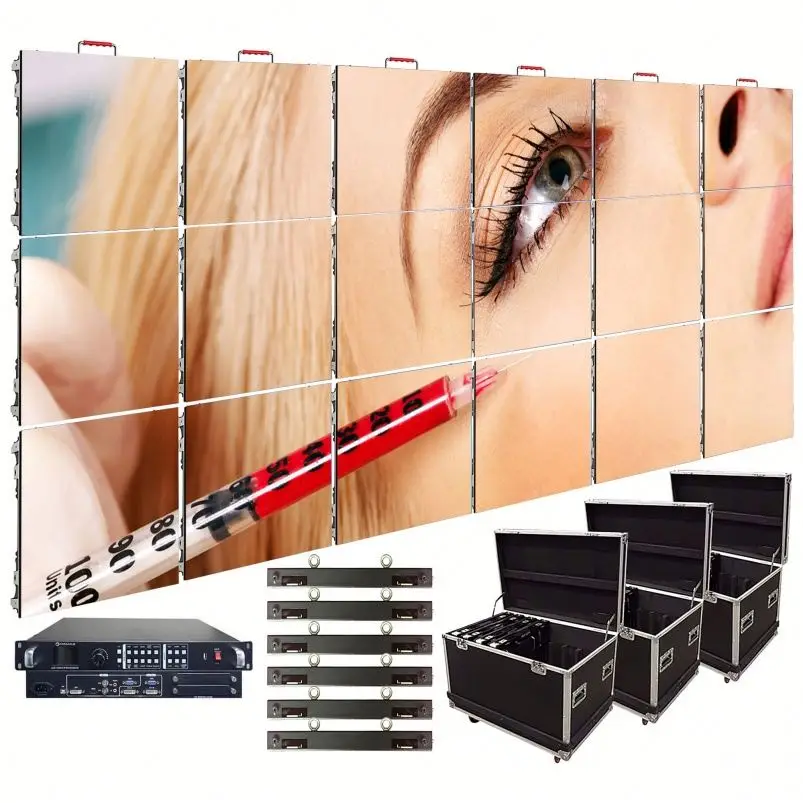
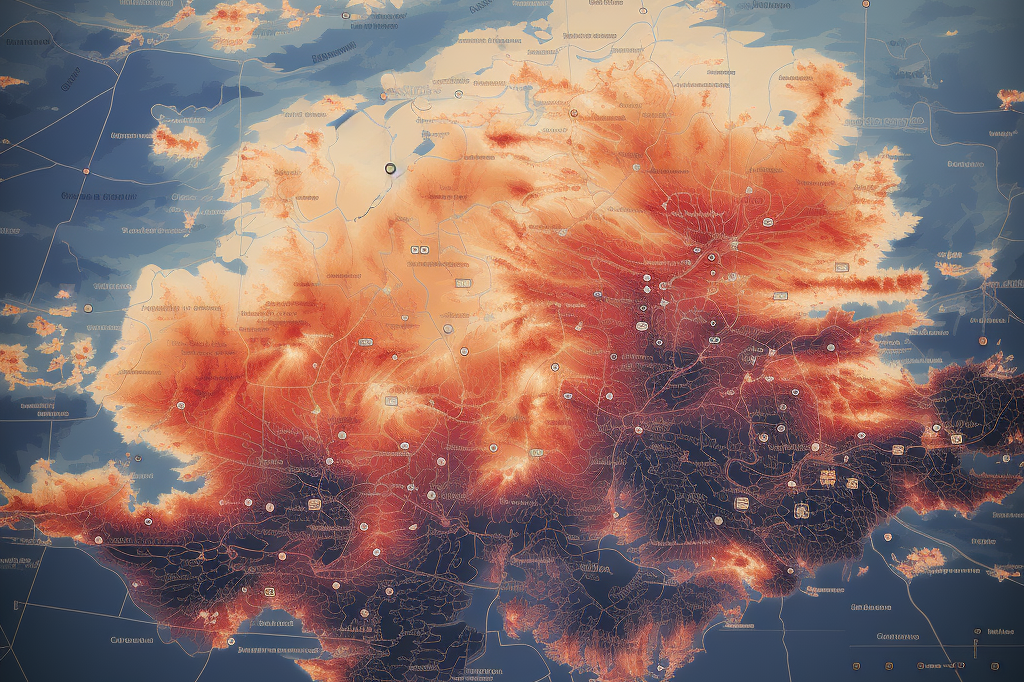
When brands evaluate outdoor media budgets, the choice between DOOH advertising and traditional out-of-home formats has never been more consequential. DOOH advertising — short for digital out-of-home advertising — uses dynamic digital screens to deliver flexible, data-driven campaigns in public spaces. Traditional OOH relies on static printed formats such as billboards, posters, and transit panels. Understanding how each model performs on cost and return on investment is essential for any media planner or business owner allocating budget toward outdoor visibility.
This comparison breaks down the real financial dynamics behind both channels. From upfront production costs to campaign flexibility and measurable ROI, DOOH advertising and traditional OOH serve different business goals in different ways. By understanding those differences clearly, advertisers can stop guessing and start investing with precision.
Traditional OOH carries significant upfront production costs. Every campaign requires physical print materials — vinyl wraps, paper posters, or rigid panel graphics — all of which must be produced, shipped, and installed. If a campaign needs to be updated, those production and logistics costs repeat. DOOH advertising eliminates most of these recurring expenses. Once the digital screen infrastructure is in place, updating creative content is as simple as uploading a new file. For brands running multiple campaign variations or frequent promotions, DOOH advertising delivers measurable savings on production over time.
Traditional OOH typically involves longer contract commitments — often four-week minimums — with fixed slot pricing regardless of actual audience exposure. DOOH advertising, by contrast, is increasingly traded programmatically, allowing advertisers to buy impressions based on real-time audience data, time-of-day targeting, and even weather triggers. This flexibility means DOOH advertising spend can be optimized continuously rather than locked into a static placement. While premium DOOH advertising locations command higher CPMs than printed equivalents, the ability to target specific audience windows often improves overall cost efficiency.
One of the most significant ROI advantages of DOOH advertising over traditional OOH is measurability. Traditional OOH relies on estimated foot traffic, demographic modelling, and post-campaign surveys to approximate impact. DOOH advertising platforms increasingly integrate with mobile location data, footfall analytics, and even retail conversion tracking. This means DOOH advertising campaigns can report on actual audience exposure, dwell time, and downstream consumer behaviour in ways traditional OOH simply cannot match. For performance-driven advertisers, DOOH advertising provides a much clearer picture of what their spend is actually achieving.
Studies across multiple markets consistently show that dynamic digital creative outperforms static printed formats in brand recall. DOOH advertising uses motion, animation, real-time data feeds, and contextually relevant messaging to capture attention more effectively than a fixed poster. When a DOOH advertising screen displays a live countdown, a relevant weather message, or a localized offer, it connects with the audience in the moment. This contextual relevance boosts engagement and improves the ROI of DOOH advertising beyond what raw impression numbers alone would suggest. Traditional OOH, while still effective for broad awareness, lacks this responsive quality entirely.
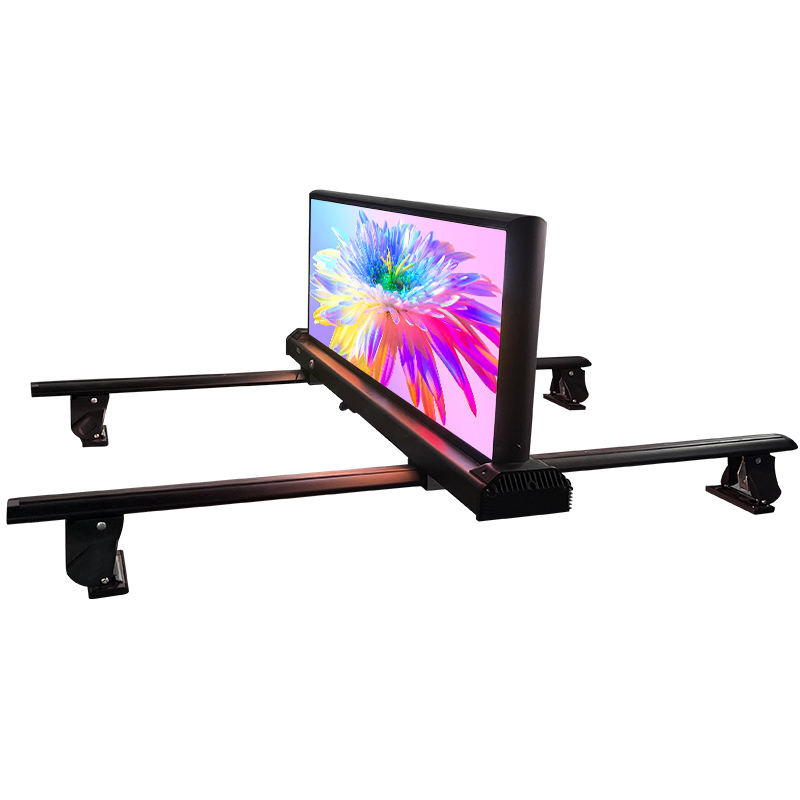
One of the fastest-growing segments within DOOH advertising is mobile out-of-home, particularly taxi top LED displays and vehicle-mounted digital screens. These formats take DOOH advertising directly into high-traffic urban corridors, covering areas that fixed billboard networks cannot reach efficiently. A DOOH advertising screen mounted on a taxi top circulates through city centres, commercial districts, and event venues continuously, generating impressions across diverse audience segments throughout the day. The cost per thousand impressions for mobile DOOH advertising is often highly competitive compared to static transit panels or traditional printed taxi advertising, while delivering far superior creative impact.
Traditional OOH cannot respond to changing market conditions once it is installed. A printed billboard promoting a weekend sale cannot be updated if the sale dates shift or inventory runs out. DOOH advertising solves this limitation entirely. Campaigns running on DOOH advertising networks can be paused, edited, and relaunched within hours. For retail promotions, event marketing, or product launches with tight timelines, DOOH advertising provides an agility that directly translates into reduced wasted spend and improved campaign ROI. Brands no longer need to absorb the cost of irrelevant messaging still running after conditions have changed.
Not necessarily. While some premium DOOH advertising placements carry higher media costs than equivalent traditional OOH panels, the overall cost picture is more nuanced. DOOH advertising eliminates recurring print production costs, allows impression-based buying, and reduces wasted spend through precise targeting. When total campaign costs — including production, logistics, and ROI outcomes — are compared, DOOH advertising frequently delivers equal or better value than traditional OOH, especially for campaigns requiring frequent creative updates or audience-specific targeting.
Traditional OOH ROI is largely estimated through modelled audience data and recall studies. DOOH advertising ROI can be tracked with greater precision using tools such as mobile location analytics, footfall measurement, online search uplift studies, and even sales correlation analysis. DOOH advertising platforms increasingly provide campaign dashboards that report real-time impression delivery and audience verification data, giving advertisers a far more accurate view of what their investment is returning compared to traditional OOH reporting methods.
Businesses that run frequent promotions, operate in competitive urban markets, or need to reach specific audience segments at particular times of day benefit most from DOOH advertising. Retail brands, food and beverage companies, event organizers, and mobility services such as ride-hailing and taxi fleets all find strong ROI from DOOH advertising. The ability to update messaging in real time and measure performance directly makes DOOH advertising particularly valuable for any advertiser that needs both reach and accountability from their outdoor media investment.
 Hot News
2025-05-27
2025-09-25
2025-09-23
 EN
EN