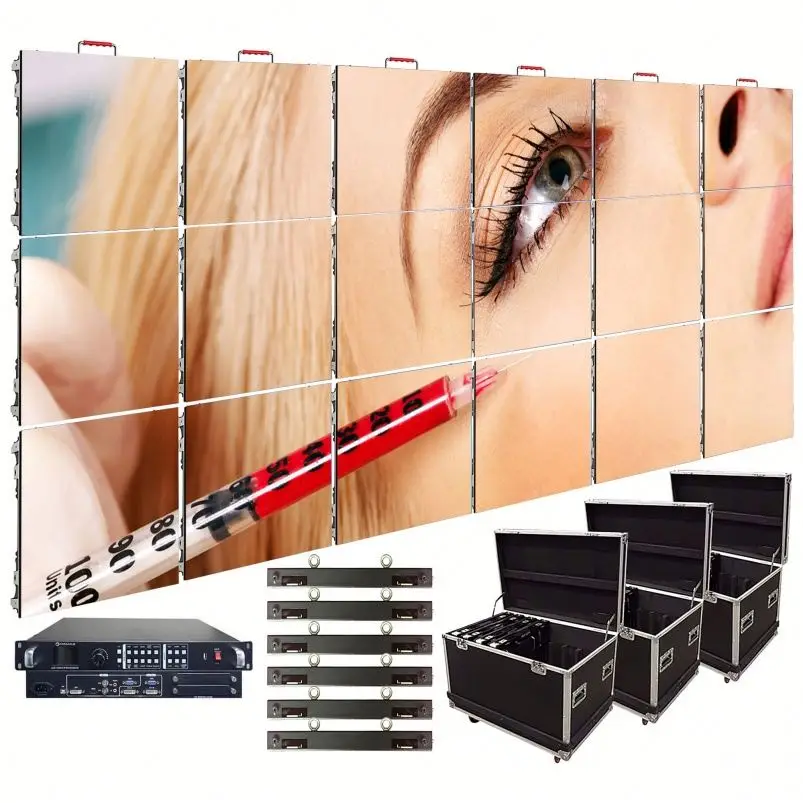
Building a DOOH LED display network is one of the most impactful investments a media operator or brand can make in today's outdoor advertising landscape. A DOOH LED display network allows advertisers to deliver dynamic, targeted content across multiple locations simultaneously, replacing static billboards with high-impact digital screens that can be updated in real time. Whether you are launching a city-wide advertising network or a campus-level deployment, understanding the full process from planning to scaling is essential for long-term success.
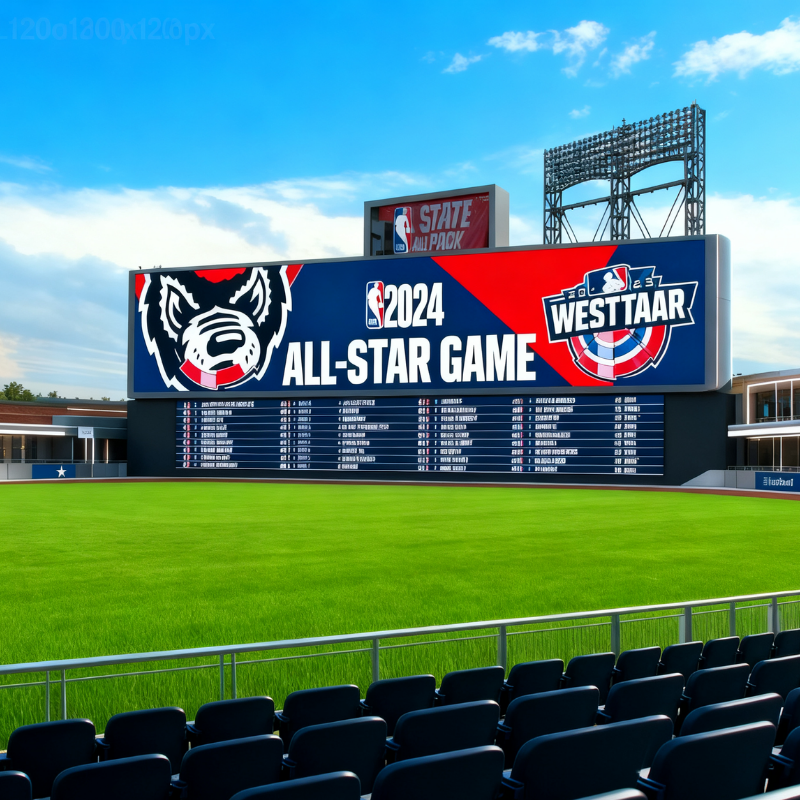
The process of building a DOOH LED display network involves multiple stages: strategic site selection, hardware procurement, content management system integration, connectivity setup, and ongoing maintenance. Each stage requires careful planning to ensure that every DOOH LED display unit in your network delivers consistent visual quality, reliable uptime, and measurable advertising performance. This guide walks through the core steps so you can build a robust, scalable DOOH LED display network with confidence.
Before purchasing a single DOOH LED display unit, thorough infrastructure planning determines the long-term viability of your network. A well-planned DOOH LED display network starts with understanding audience flow, regulatory requirements, and power availability across all target locations. Skipping this phase leads to costly retrofits and underperforming screens later.
Effective site selection is the foundation of any successful DOOH LED display deployment. Each DOOH LED display location should be evaluated based on daily pedestrian or vehicle traffic counts, line-of-sight angles, ambient light conditions, and local zoning regulations. High-footfall locations such as transit hubs, retail corridors, and highway intersections deliver the highest audience exposure for each DOOH LED display unit installed. Coverage mapping tools allow network operators to visualize the geographic spread of their DOOH LED display assets and identify gaps where additional DOOH LED display screens can maximize reach. Regulatory compliance is critical, as many municipalities impose restrictions on DOOH LED display brightness levels, animation rates, and installation heights.
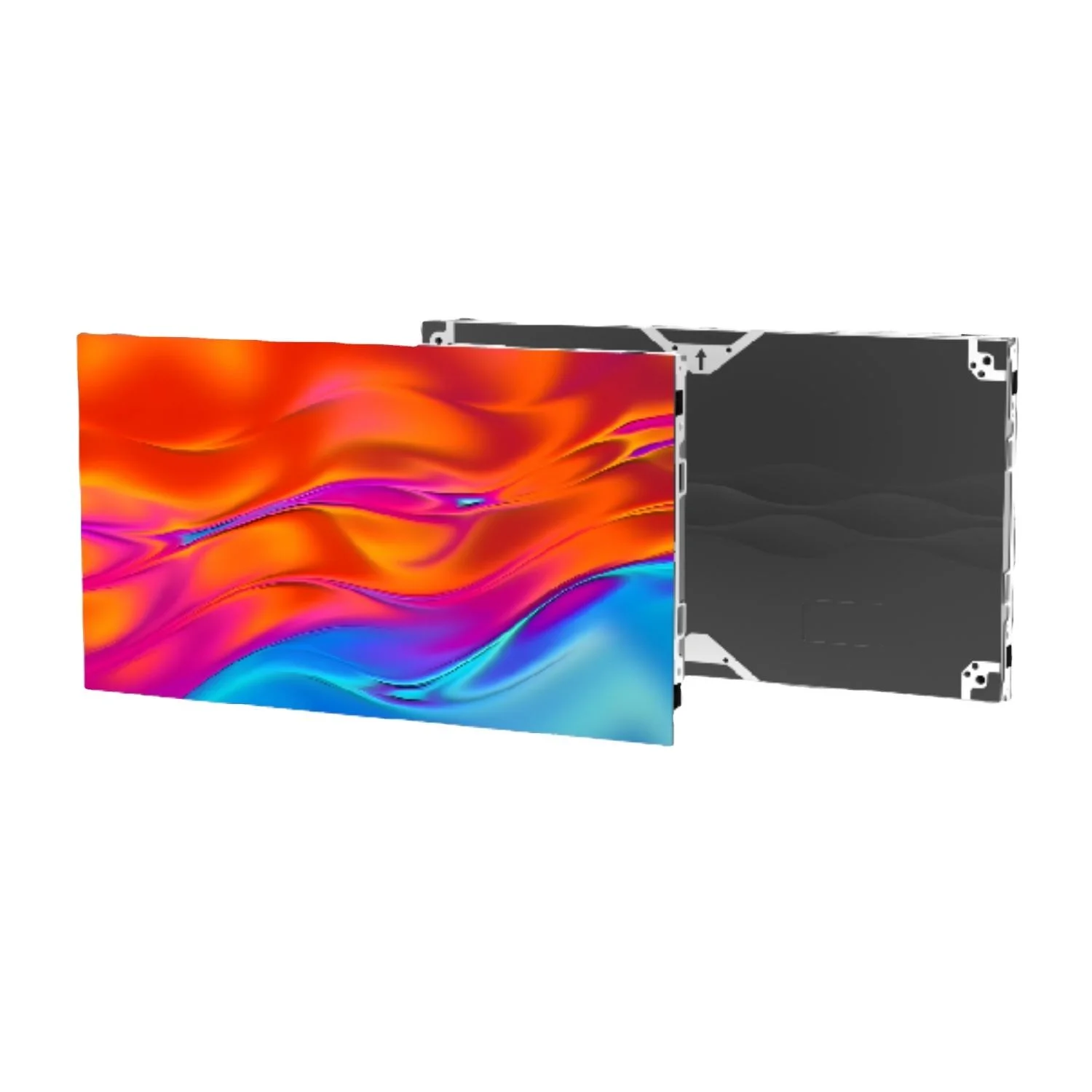
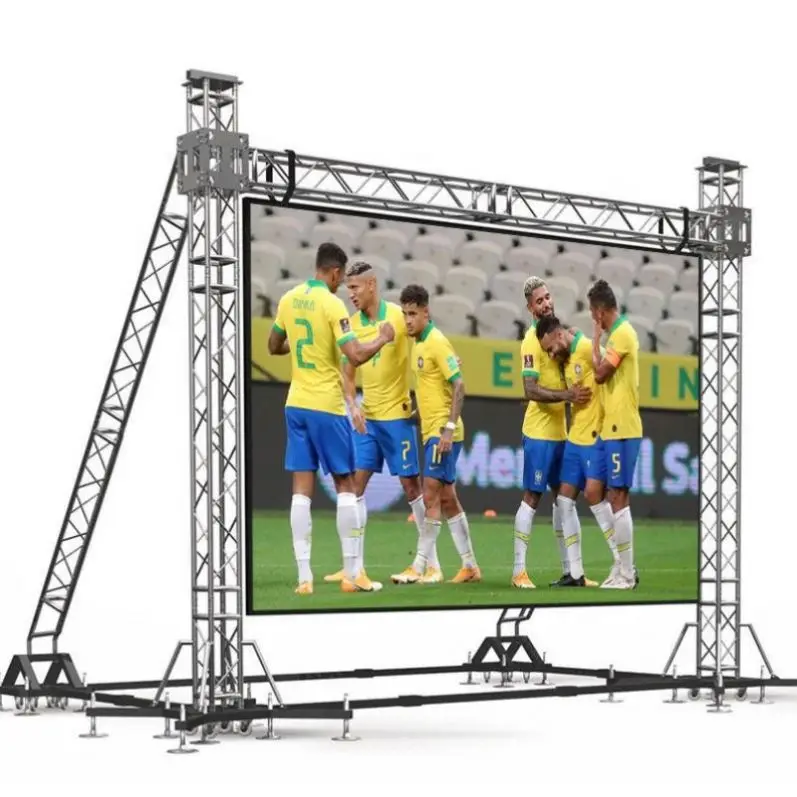
Selecting the right hardware is central to building a reliable DOOH LED display network. Outdoor DOOH LED display screens must meet high brightness specifications, typically above 5000 nits, to remain clearly visible in direct sunlight. Each DOOH LED display panel should carry an IP65 or higher ingress protection rating to withstand rain, dust, and temperature extremes. Pixel pitch is another key specification: a DOOH LED display installed on a highway may use a P6 or P8 pitch, while a DOOH LED display in a pedestrian zone benefits from a finer P4 or P5 pitch for sharper close-up viewing. Modular cabinet designs make it easier to replace individual DOOH LED display modules during maintenance without taking the entire screen offline.
A DOOH LED display network is only as powerful as its content management infrastructure. Without a centralized system to schedule, distribute, and monitor content, managing even a small DOOH LED display network becomes operationally inefficient. Investing in a scalable content management system (CMS) early prevents bottlenecks as your DOOH LED display network grows.
A purpose-built CMS for DOOH LED display networks enables operators to push content updates, schedule campaigns, and manage permissions across all DOOH LED display screens from a single dashboard. The CMS should support real-time playback reporting so you can confirm that each DOOH LED display is delivering the correct content at the scheduled time. Advanced DOOH LED display CMS platforms also support audience-triggered content rules, allowing a DOOH LED display to automatically switch creatives based on time of day, weather conditions, or live data feeds. This level of automation transforms a basic DOOH LED display network into a programmatic advertising platform capable of commanding premium media rates.
Every DOOH LED display unit in the network requires a stable data connection for content delivery and remote management. Most DOOH LED display deployments use 4G LTE or fiber connections depending on location infrastructure and data throughput requirements. Remote monitoring software enables operators to detect DOOH LED display faults, brightness anomalies, or connectivity drops without dispatching field technicians immediately. Establishing a network operations center (NOC) function — even a lightweight one — ensures that DOOH LED display uptime is actively tracked and that service-level commitments to advertisers are consistently met. Each DOOH LED display endpoint should send automated health status reports to your NOC dashboard at regular intervals.
Successful DOOH LED display network operators treat deployment and maintenance as ongoing disciplines rather than one-time activities. A structured deployment process reduces installation errors, while a proactive maintenance program keeps each DOOH LED display performing at full quality over its operational lifespan of eight to ten years or more.
Every DOOH LED display installation should follow a standardized commissioning checklist that covers structural mounting integrity, electrical grounding, pixel calibration, and brightness uniformity testing. Proper thermal management is critical for outdoor DOOH LED display units because heat buildup reduces LED lifespan and increases power consumption. Ventilation gaps, cooling fans, and heat-dissipating cabinet materials are all part of a well-engineered DOOH LED display enclosure. Commissioning each DOOH LED display on-site before handover ensures that any defects are caught early and resolved before the screen enters live service.
Routine maintenance for a DOOH LED display network includes scheduled inspections of cabinet seals, cleaning of louvers and air filters, LED module health checks, and firmware updates for media players. Predictive maintenance data from remote monitoring helps operators prioritize which DOOH LED display sites require urgent attention, reducing reactive repair costs. Keeping a spare parts inventory that includes LED modules, power supplies, and receiving cards for each DOOH LED display model in your network significantly reduces mean time to repair. As your DOOH LED display network expands, a tiered maintenance contract with a certified service provider ensures that larger screen clusters receive timely support without overburdening your internal team.
The startup cost for a DOOH LED display network varies widely based on screen size, pixel pitch, and the number of locations. A small DOOH LED display network of three to five outdoor screens can require an initial investment ranging from tens of thousands to several hundred thousand dollars, including hardware, installation, CMS licensing, and connectivity. Careful site selection to prioritize high-revenue locations helps a new DOOH LED display network reach profitability faster.
There is no fixed minimum, but most operators find that a DOOH LED display network becomes commercially attractive to advertisers once it reaches ten or more screens across multiple locations. A larger DOOH LED display network offers advertisers broader reach, geographic diversity, and campaign flexibility that a single DOOH LED display screen cannot provide. Starting with a smaller cluster and scaling methodically is a proven approach for new DOOH LED display network operators.
Advertising on a DOOH LED display network is typically priced using a cost-per-thousand-impressions (CPM) model based on verified audience data for each DOOH LED display location. Factors such as screen size, daily traffic volume, dwell time, and creative format influence the CPM rate each DOOH LED display site can command. Providing transparent audience measurement data to buyers builds trust and supports premium pricing across your entire DOOH LED display network.
 Hot News
2025-05-27
2025-09-25
2025-09-23
 EN
EN