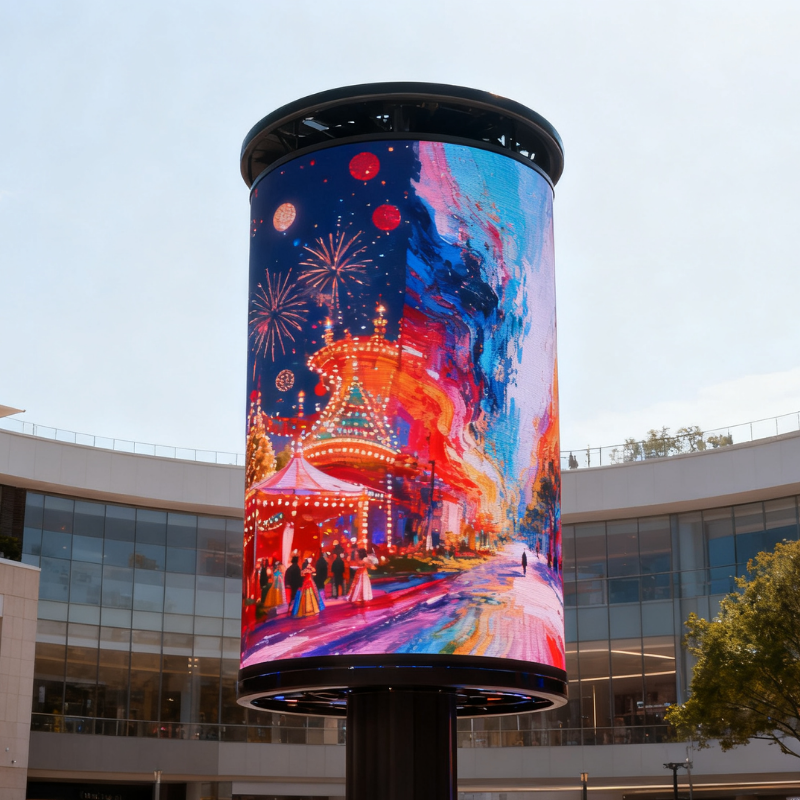
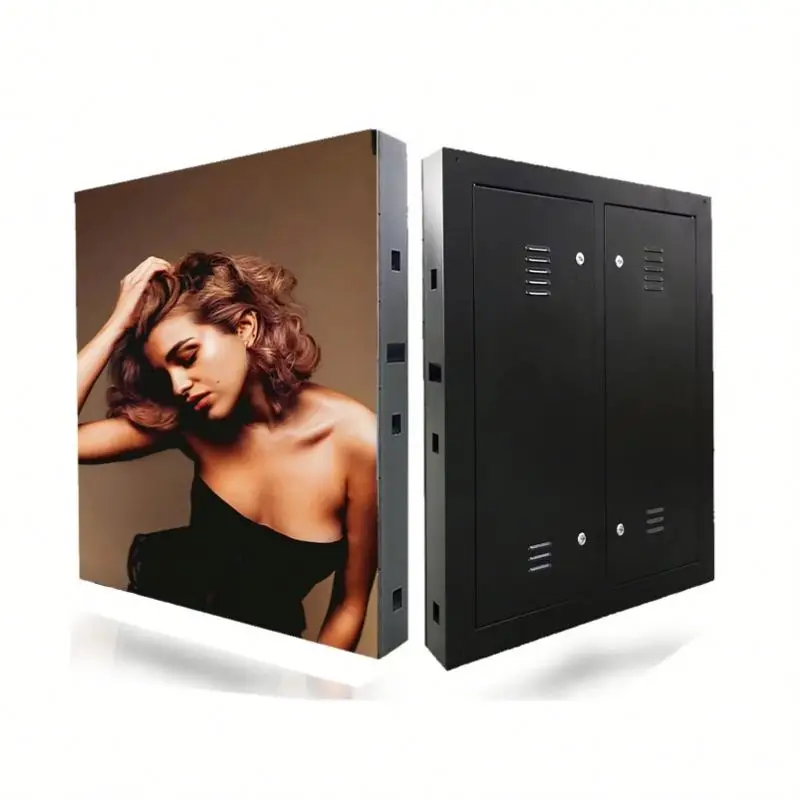
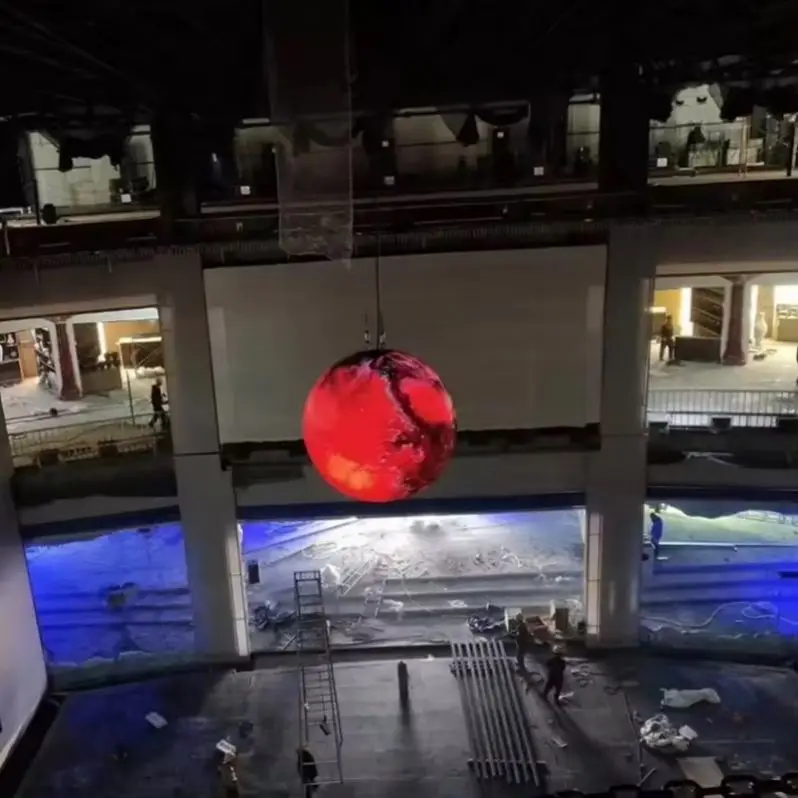
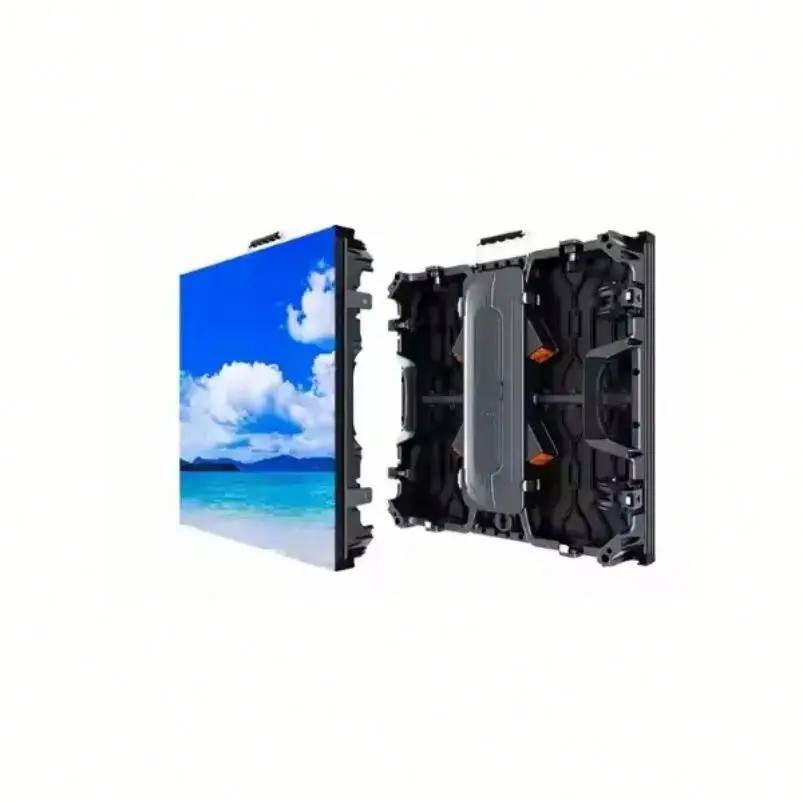
The rise of non-traditional screen formats in retail environments, airports, trade shows, and entertainment venues has pushed designers and engineers toward one foundational technology: LED modules. Unlike conventional flat-panel displays, LED modules are self-contained, tile-able units that can be arranged, angled, and curved to form nearly any two-dimensional or three-dimensional shape imaginable. This modular nature is the core reason why LED modules have become the go-to building block for creative display installations worldwide.
Understanding how LED modules enable creative shapes requires looking at both the physical engineering of the modules themselves and the system-level design logic that governs how they connect and communicate. When designers grasp these principles, LED modules stop being passive components and become active creative tools. This article walks through the mechanism, the design enablers, and the real-world applications that demonstrate just how versatile LED modules can be when deployed thoughtfully.
LED modules are designed as compact, self-contained panels, typically ranging from just a few centimeters to around 50 centimeters per side. Each of these LED modules carries its own LED chips, a driver circuit, and signal connectors, making each unit independently functional. Because LED modules are small and uniform, they can be tiled together seamlessly in any grid pattern, whether that grid is flat, curved, or angled. The tile logic built into LED modules means the visual boundary between adjacent units disappears when illuminated, creating the impression of a single continuous surface regardless of the overall shape.
The mechanical mounting systems used with LED modules reinforce this flexibility. Most LED modules feature rear-locking or magnetic attachment mechanisms that allow installers to secure them to custom-fabricated frames without visible fasteners on the viewing surface. This means the structural skeleton beneath the display can be engineered into a sphere, cylinder, arch, wave, or polygon, and the LED modules will simply conform to that skeleton's surface. The result is that the physical shape of the display is essentially limited only by the frame design rather than by the LED modules themselves.
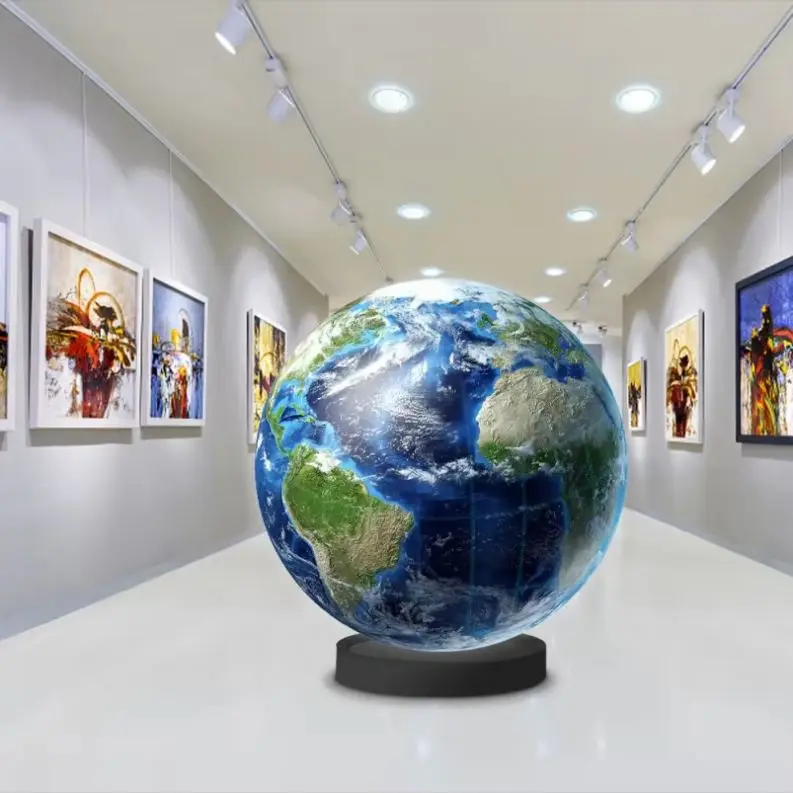
A specialized category of LED modules takes flexibility even further by using soft PCB substrates and flexible cabinet systems. These LED modules can bend to a defined radius, enabling smooth curved surfaces without the stepped appearance that rigid tile grids sometimes produce at sharp angles. Flexible LED modules are engineered with gap-tolerant connection systems that maintain signal integrity even as the module surface bends. This type of LED modules is especially useful in applications like cylindrical columns, concave ceiling installations, and spherical display balls where the curvature is continuous rather than segmented.
Creating complex shapes with LED modules is not just a mechanical challenge — it is also an electrical and data engineering challenge. Each set of LED modules must receive synchronized video data at the correct timing so that the image across the entire irregular surface remains coherent. Modern LED modules use a daisy-chain or hub-and-spoke signal distribution architecture that allows signals to travel across dozens of connected LED modules without latency or frame-sync issues. The signal routing built into LED modules is specifically designed to accommodate non-linear tile arrangements, meaning the data path can turn corners and wrap around surfaces without signal degradation.
Power distribution for LED modules in shaped installations follows a similar distributed logic. Rather than relying on a single central power unit, LED modules in complex shape applications typically use multiple compact power supplies positioned at strategic points within the frame structure. This distributed power approach ensures that each cluster of LED modules receives stable voltage regardless of how far it sits from the main power source. Stable voltage is critical for LED modules because even minor fluctuations can cause visible brightness inconsistencies across the display surface, which would ruin the visual coherence of a shaped installation.
Once LED modules are physically arranged into a creative shape, the content management system must understand the exact spatial coordinates of every pixel across all connected LED modules. Advanced LED control software supports custom pixel mapping, which allows the operator to define precisely where each cluster of LED modules sits in three-dimensional space. The software then warps and projects the original content geometry onto the mapped LED modules so that images, videos, and animations appear correctly proportioned on curved or angular surfaces. Without accurate pixel addressing, LED modules in complex shapes would display stretched, compressed, or misaligned imagery that undermines the creative intent of the installation.
Retail environments have become one of the most active deployment areas for creatively shaped LED modules. Brand experience designers use LED modules to construct immersive tunnels, arched entranceways, and curved ceiling canopies that surround shoppers with dynamic visual content. Because LED modules can be fabricated in custom shapes and sizes, a retail installation using LED modules can be tailored precisely to the architectural dimensions of a specific store without compromising visual quality. LED modules in retail settings also benefit from their high brightness and wide viewing angle, ensuring that shaped displays remain visible and vibrant from multiple customer viewpoints simultaneously.
Airports and large public spaces represent a different set of demands for LED modules used in creative shape applications. In these environments, LED modules must maintain consistent performance across large-scale, complex geometries while operating continuously for extended hours. Spherical LED modules hanging from airport terminal ceilings, for example, must deliver uniform brightness across every panel of the sphere while remaining easily serviceable from the rear. The modular nature of LED modules makes maintenance in these settings practical because individual LED modules can be replaced without disassembling the entire structure. This serviceability factor is a major reason why facility managers and AV integrators consistently choose LED modules for permanent large-scale creative installations.
LED modules can form virtually any shape, including flat grids, curves, cylinders, spheres, arches, cones, and custom polygons. The shape is determined by the structural frame to which LED modules are attached, so as long as the frame can be engineered into a given form, LED modules can tile across its surface to create a functioning display.
Yes. Flexible LED modules use soft or semi-rigid PCB substrates that allow them to bend to a defined radius, whereas standard LED modules use rigid PCBs that remain flat. Both types of LED modules use the same fundamental LED chip and driver technology, but flexible LED modules are specifically engineered for applications requiring smooth continuous curvature rather than flat or segmented surfaces.
Image quality across irregular shapes depends on accurate pixel mapping in the LED control system. The control software assigns precise spatial coordinates to every cluster of LED modules and adjusts the content geometry accordingly. Combined with the uniform brightness calibration built into professional LED modules, this pixel-mapping approach ensures that content appears visually consistent and correctly proportioned across every section of the shaped display.
 Hot News
2025-05-27
2025-09-25
2025-09-23
 EN
EN