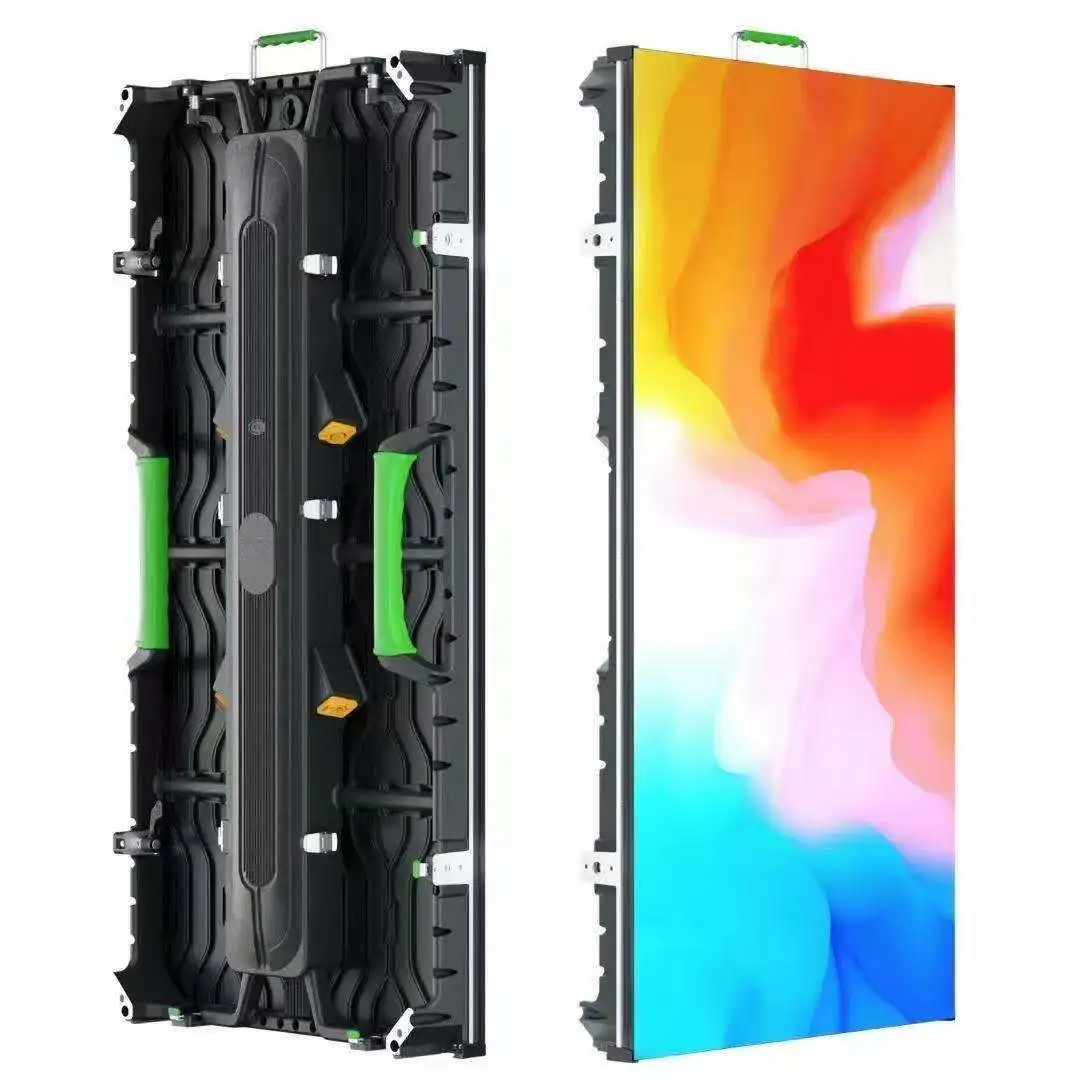
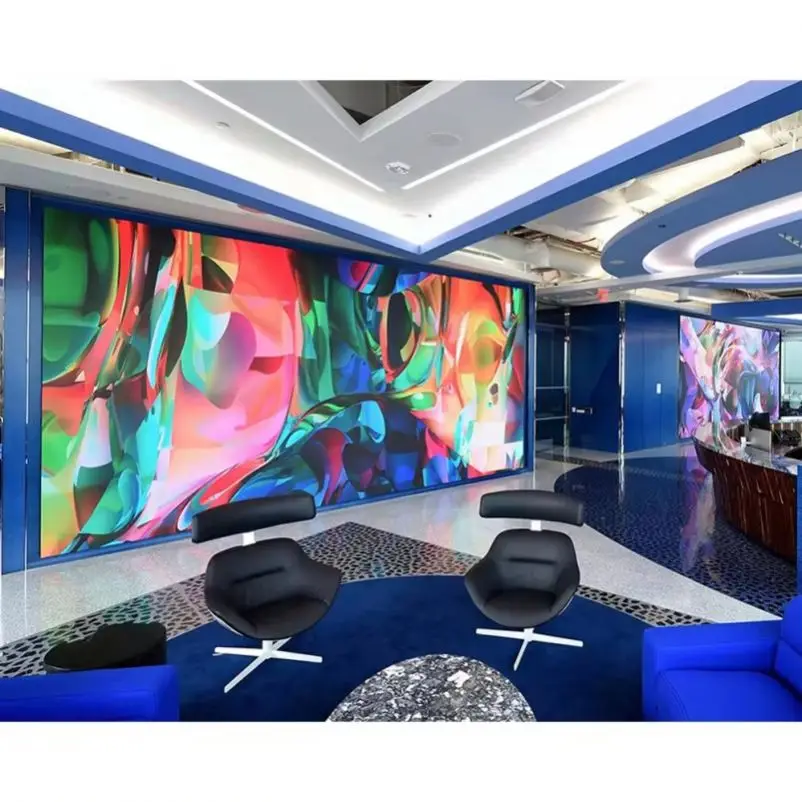
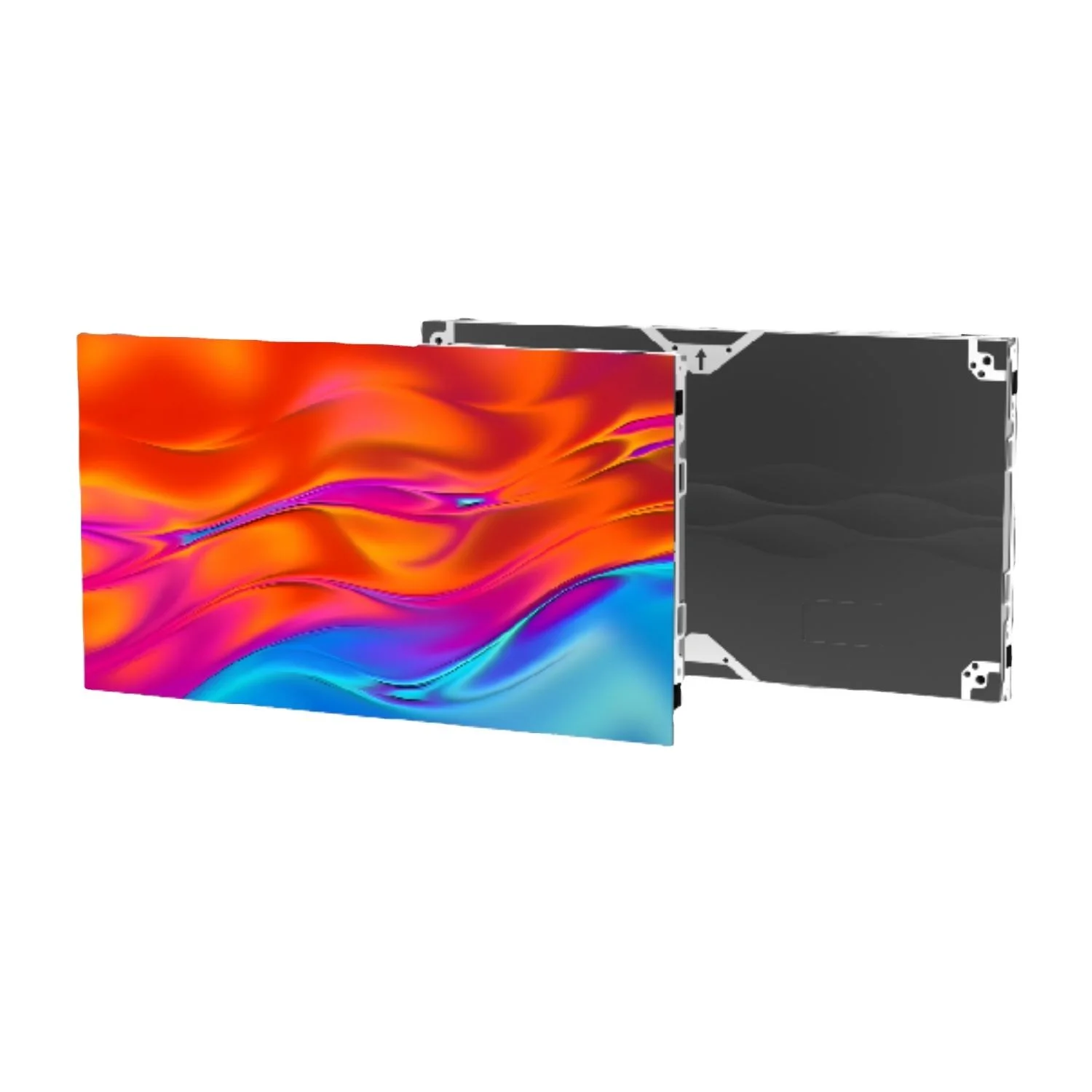
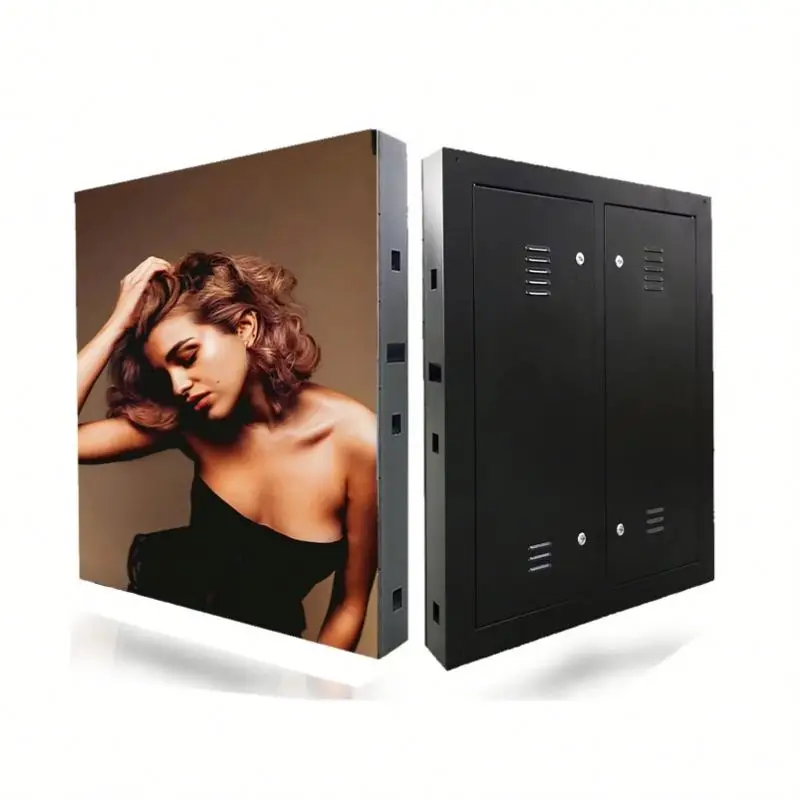
Installing traditional signage infrastructure demands significant capital investment, particularly when cabling requirements drive project costs upward. Solar LED display systems represent a transformative solution that eliminates expensive cabling entirely while delivering professional-grade visual communication. Modern LED display technology integrated with solar power creates a self-sufficient system that operates independently from grid infrastructure, making it an ideal choice for businesses seeking cost-effective installation methods. Understanding how these innovative systems reduce expenses while maintaining superior performance can help decision-makers evaluate their signage investments more strategically.
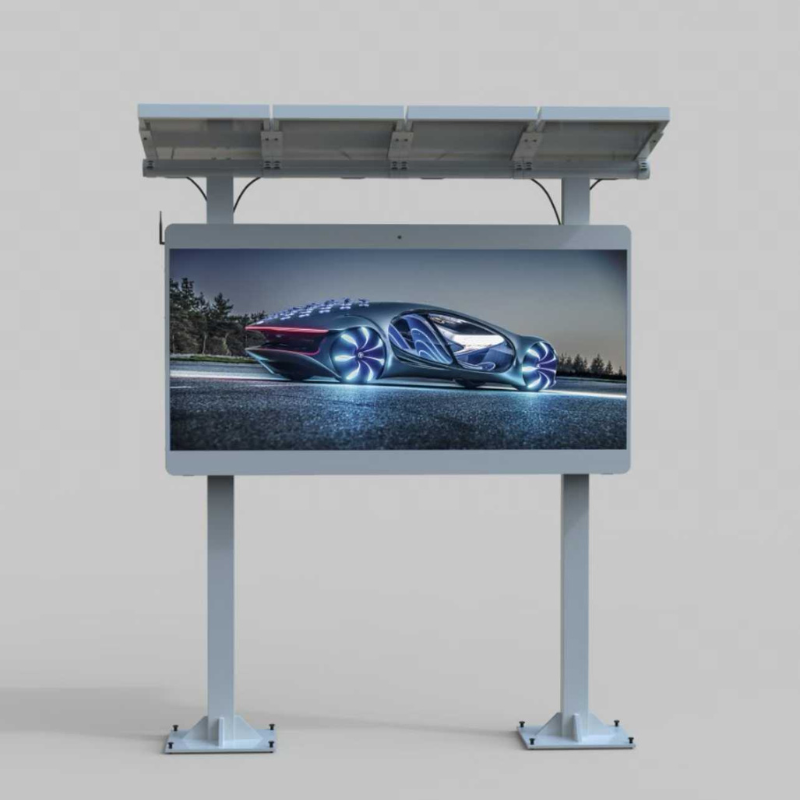
The elimination of cabling represents the primary cost-reduction mechanism in solar LED display installations. Traditional LED display deployments require extensive trenching, conduit installation, and electrical work to connect power sources to display units positioned at remote locations. Solar LED display systems bypass these labor-intensive requirements by generating power onsite through integrated photovoltaic panels. The result is a straightforward installation process that reduces project timelines, minimizes site disruption, and eliminates a substantial portion of labor and materials costs that plague conventional electrical infrastructure projects.
The most immediate cost benefit of solar LED display systems emerges from removing the need for underground cabling networks. Conventional LED display installations often require digging trenches across properties, installing protective conduit, running power cables, and hiring licensed electricians to complete connections. These activities consume weeks of project time and generate significant expenses. Solar LED display units operate as standalone systems where each display contains integrated battery storage and solar charging capability. This autonomous design means installers can position the LED display wherever it provides optimal visibility without considering electrical grid proximity or cabling feasibility. Projects that previously seemed cost-prohibitive due to remote locations or difficult terrain become economically viable with solar LED display technology.
Installation labor costs represent a substantial portion of total project expenses for conventional LED display systems. Solar LED display deployments require significantly fewer skilled tradespeople and shorter installation windows. Site preparation for a solar LED display involves basic foundation work and straightforward equipment mounting, typically completed by general contractors without specialized electrical licensing. The uncomplicated installation process allows projects to progress faster, reducing overhead costs and enabling quicker return-on-investment. Many businesses report completing solar LED display installations in days rather than weeks, directly translating time savings into measurable cost reductions.
Solar LED display systems incorporate photovoltaic panels and rechargeable battery storage directly into the display unit structure. This integrated approach eliminates the need for separate power infrastructure, disconnects, transformers, and protective devices that conventional LED display installations require. The battery storage component ensures the LED display continues operating during nighttime hours and low-light conditions. Designers engineer solar LED display systems to balance panel size, battery capacity, and display brightness requirements based on local climate conditions and usage patterns. This engineering approach maximizes operational independence while minimizing external power requirements, fundamentally reducing the infrastructure complexity that drives traditional installation costs.
Beyond power generation, modern solar LED display systems feature wireless communication capabilities that eliminate data cabling requirements. Content management and real-time monitoring occur through cellular networks or wireless internet connectivity, allowing operators to control multiple LED display units from central locations. This wireless capability represents another significant installation cost advantage compared to traditional LED display systems that require separate data cabling runs alongside power infrastructure. The absence of both power cabling and data cabling creates cascading cost reductions throughout the project lifecycle. Solar LED display units become genuinely portable assets that businesses can relocate as needed without costly rewiring or infrastructure modifications.
Retailers and commercial establishments increasingly deploy solar LED display systems for promotional signage, directional messaging, and brand communication. Parking lots, exterior building facades, and remote property boundaries represent locations where traditional LED display installations proved economically impractical due to cabling challenges. Solar LED display technology transforms these environments into premium advertising platforms without justifying extensive electrical work. A retail business installing a solar LED display in a parking area avoids trenching across landscaping, eliminates disconnects from main electrical systems, and sidesteps permitting complexities associated with permanent electrical infrastructure. The installation cost savings often allow businesses to deploy multiple solar LED display units across properties where single traditional displays would have consumed entire budgets.
Highway corridors, parking facilities, and transportation hubs represent ideal environments for solar LED display deployment. These locations benefit tremendously from the independence that solar LED display systems provide. Highway message signs powered by solar technology eliminate the need for roadside electrical service, reducing both initial installation expenses and ongoing maintenance costs. Parking facility operators deploy solar LED display units for wayfinding, availability messaging, and safety communications without coordinating with facility electrical systems. The portability of solar LED display technology means sign positioning follows optimal visibility and functional requirements rather than electrical availability, fundamentally changing installation economics for transportation applications.
Successful solar LED display installation begins with thorough site assessment to determine sun exposure, seasonal variations, and geographic orientation. Professional installers evaluate local climate data to calculate required solar panel capacity and battery storage volumes that support the intended LED display brightness and operating schedule. This assessment phase costs considerably less than the electrical engineering and permitting work required for traditional installations. Site assessment directly informs solar LED display specifications, ensuring systems deliver reliable performance throughout seasonal variations. Proper sizing prevents oversized systems that waste resources and undersized configurations that disappoint during actual deployment. The assessment-driven approach to solar LED display sizing represents intelligent cost management that prevents expensive post-installation retrofits.
Solar LED display systems deliver substantial cost advantages extending beyond initial installation into ongoing operational expenses. The absence of electrical infrastructure eliminates maintenance requirements associated with buried cabling, conduit deterioration, and connection point corrosion. Solar LED display components require minimal maintenance, primarily involving periodic panel cleaning and battery monitoring through integrated management systems. Businesses operating solar LED display deployments report significantly lower lifecycle costs compared to traditional LED display systems requiring regular electrical system maintenance and professional servicing. The simplicity of solar LED display technology translates into reliable, economical operation across the system's productive lifetime.
Solar LED display installations typically reduce project costs by forty to sixty percent compared to conventional LED display systems requiring extensive electrical infrastructure. Cost savings emerge from eliminated trenching, reduced labor requirements, faster installation timelines, and simplified permitting processes. The specific savings percentage depends on site conditions, display specifications, and local labor rates. Remote locations or difficult terrain show higher percentage savings because traditional LED display cabling costs escalate substantially in challenging environments. Solar LED display advantages become increasingly valuable as project complexity increases.
Modern solar LED display systems operate throughout the night based on battery storage capacity calculated during system design. Quality solar LED display units store sufficient energy during daylight hours to power full-brightness operation for twelve to sixteen hours after sunset. Battery performance depends on daytime sun exposure, geographic latitude, seasonal variations, and programmed LED display brightness levels. Professional system design ensures solar LED display batteries accommodate geographic conditions and usage requirements. Backup power options or reduced brightness scheduling extend operational windows for solar LED display systems in extended-darkness environments.
Yes, solar LED display systems perform excellently in high-traffic commercial applications where their cost advantages and installation simplicity prove especially valuable. Shopping centers, parking facilities, and promotional locations benefit from quick solar LED display deployment without disrupting normal business operations. The wireless communication capabilities of modern solar LED display systems enable content updates and remote monitoring essential for commercial environments. Durability standards for commercial-grade solar LED display equipment match or exceed traditional display specifications, ensuring reliable performance in demanding applications.
 Hot News
2025-05-27
2025-09-25
2025-09-23
 EN
EN