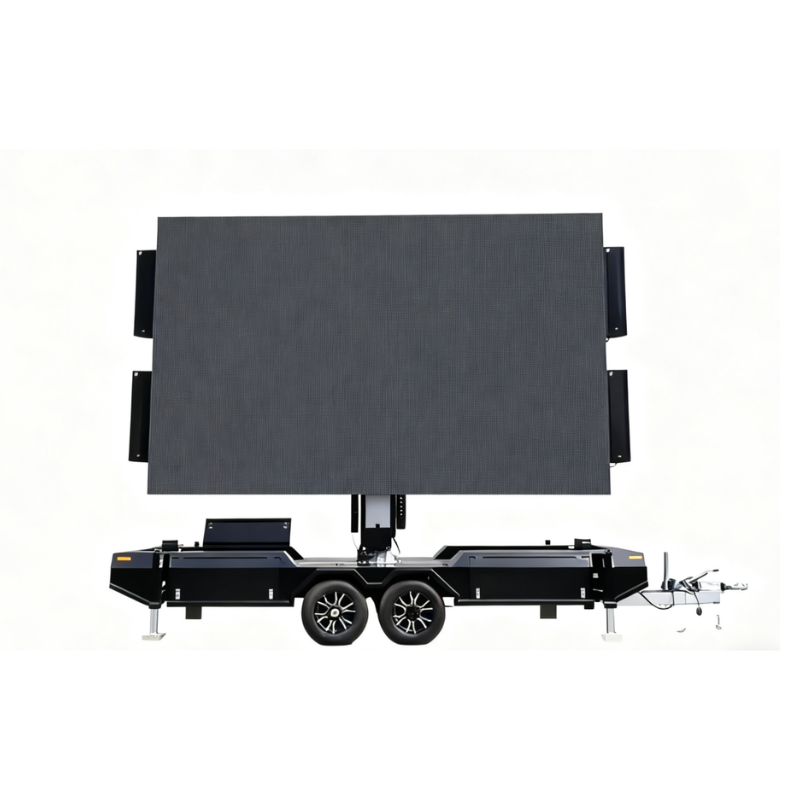
These days, most transit centers use LED screens that connect to their main computer systems and show all sorts of important updates on the fly. Flight delays, gate changes, platform shifts, and safety warnings appear almost immediately on these displays. According to the latest Transit Efficiency numbers from 2024, this kind of real-time info cuts down traveler confusion by around 60% when things go wrong. During emergencies like bad weather causing evacuations or unexpected security issues, the screens switch automatically to bright, easy-to-read directions telling people where to go. The technology behind this works through sensors throughout the facility, connections to various networks, and central management software. What used to be just static signs pointing the way has now become something much more interactive and helpful for passengers dealing with unpredictable situations at busy transportation nodes.
The shift from printed schedules and static boards to intelligent LED ecosystems marks a fundamental leap in passenger experience. Where traditional signs offered fixed, quickly outdated information, modern LED systems deliver adaptive, responsive guidance powered by real-time data. Key advantages include:
Future advancements will expand into predictive wayfinding—using machine learning to anticipate passenger needs—and context-aware holographic overlays for immersive, intuitive navigation. These innovations transform transit hubs from chaotic spaces into seamlessly navigable environments.
In modern transit systems, LED panels play a key role in making transportation accessible to everyone. These displays use high contrast colors so people can read them even when there's bright sunlight at airports or when standing on dark subway platforms. For folks with visual impairments, this makes navigation much easier. Many stations now offer signs in multiple languages, which helps international travelers find their way around without confusion. Standardized icons like airplane shapes pointing toward gates or train symbols showing platform locations work well for people who might struggle with reading small text or dealing with complex information overload. According to research from the Universal Design Institute back in 2023, such designs cut down on mental effort needed to understand directions by about 30 percent compared to old fashioned text only signs. Plus, these features meet requirements set out in laws like the Americans with Disabilities Act. When transit authorities build accessibility right into how they design these digital displays instead of tacking it on later, everyone benefits. Passengers move through stations more confidently knowing they won't get lost because of poor signage.
Airports have seen a major shift in how they display flight information thanks to LED panels. What used to be just static signs pointing passengers in directions are now live communication hubs throughout terminals. When there's a gate change or boarding alert, the info shows up immediately everywhere, saving people about 30% of their decision making time compared to old fashioned paper signs. During bad weather or other problems, those bright screens actually help travelers find alternative routes at security checkpoints, so fewer folks miss flights and gates don't get backed up. According to some research from the Transportation Efficiency Consortium back in 2023, these digital displays helped move passengers around 22% faster during busy times. The way information is organized visually means staff doesn't need to constantly check in with confused travelers, which makes LED powered FIDS systems essential for handling all those people rushing through airports every day.
LED screens in subway stations provide accurate train arrival times right when needed, which has cut down waiting periods by about 30 percent on average. These displays work hand in hand with the signal system behind the scenes, so most of the time they show how long until the train arrives within just 15 seconds either way. That helps keep people from bunching up on platforms and feeling stressed out about missing trains. When combined with those sliding doors at station platforms, things get even better. As soon as the train pulls in, the lights tell everyone where to stand, making it possible for passengers to board faster by roughly 22 percent and keeping everyone safe at the same time. Inside the actual trains too, there are more LED panels showing where we're going next, where to change lines, and any problems ahead. Passengers can see this info before getting off, so they don't hang around after their stop anymore. The bright colors and simple symbols help people who speak different languages or have different ways of thinking navigate without confusion, dropping mistakes by almost half. All these features together build a system that keeps moving smoothly through regular days and still works well when there are unexpected delays or route changes.
 Hot News
2025-05-27
2025-09-25
2025-09-23
 EN
EN