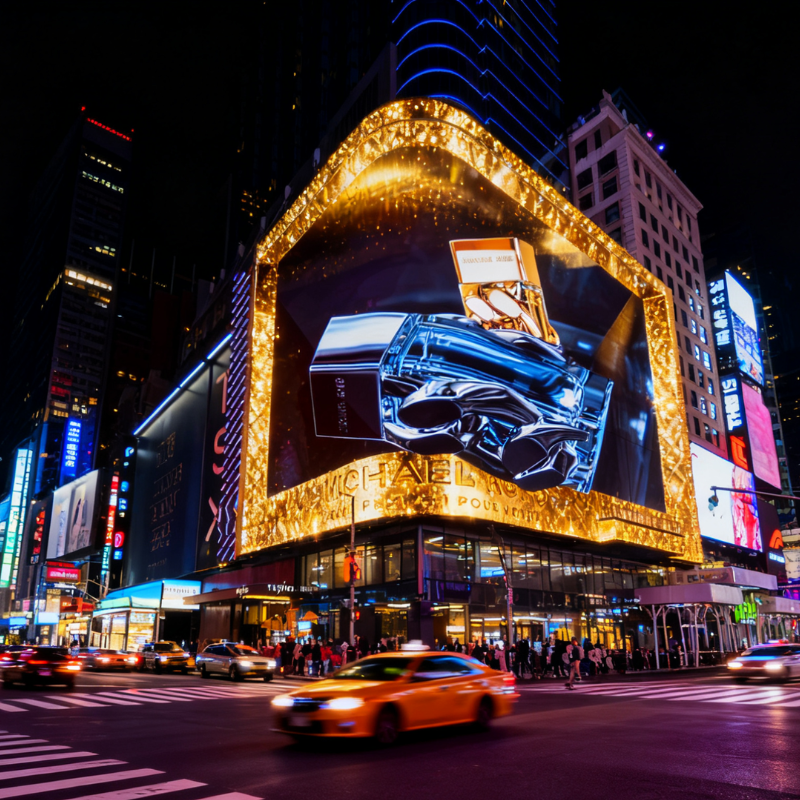
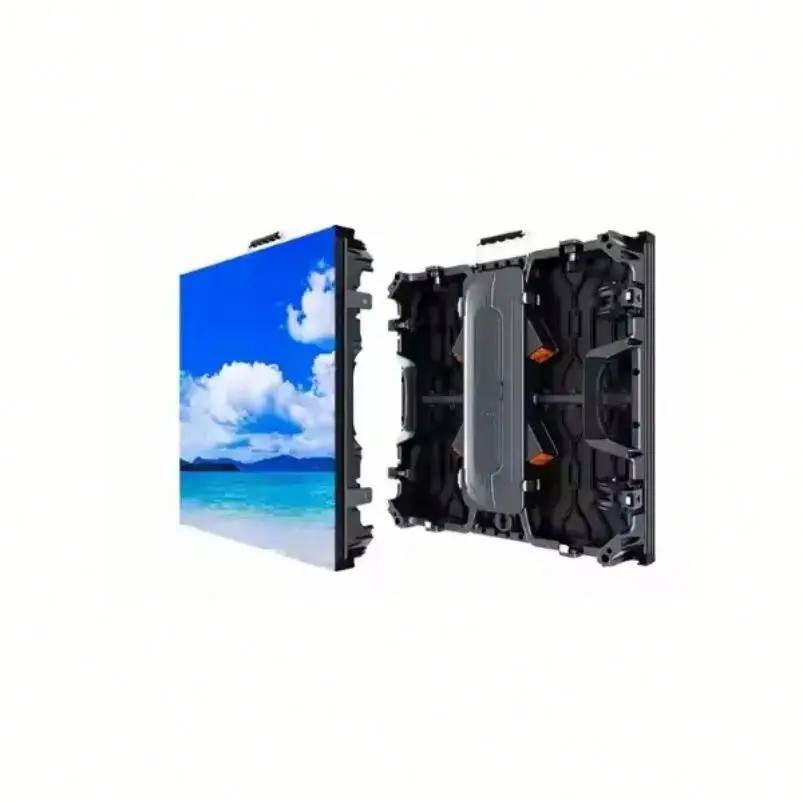
Picking the right LED screen rental means matching what the technology can do with what actually matters for the event itself. When setting up for concerts, go for screens that hit at least 5,000 nits brightness and offer viewing angles wider than 160 degrees so everyone in the crowd gets a good look even when lights are flashing everywhere. For conferences where details matter, look at displays with pixel pitches no bigger than 2.5mm and response times below 8 milliseconds. This keeps presentations crisp and clear without any annoying lag or blurry movement during video content. Trade show folks will find value in modular panel systems featuring magnetic connections and customizable bezels. These allow creative setups with curves and branded elements built right into the display framework, creating those eye catching booths that really stand out from competitors.
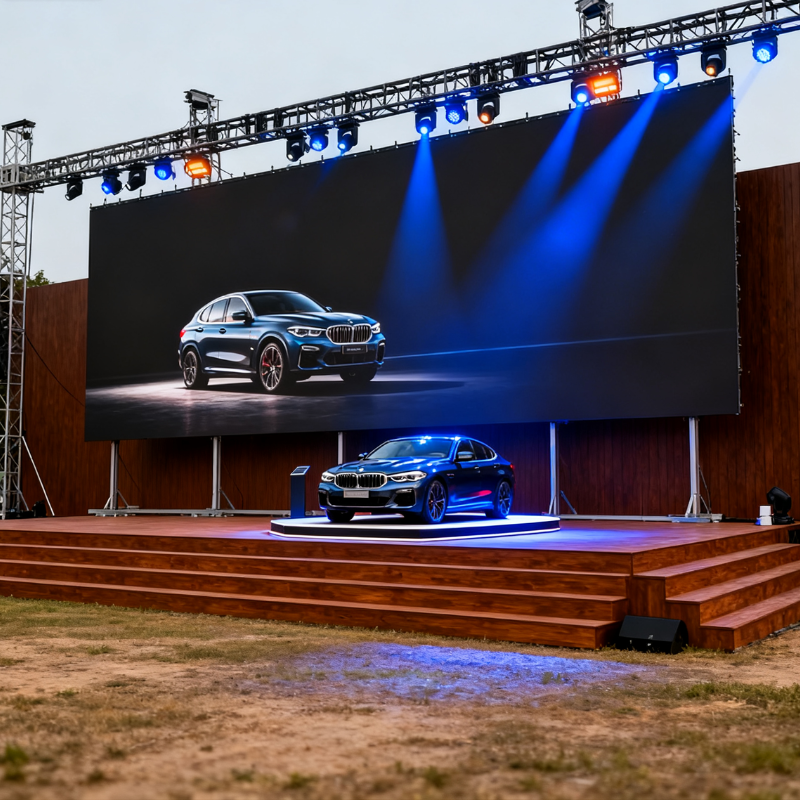
Environmental conditions dictate critical durability specifications:
Checking out the venue before an event helps avoid installation headaches down the road. The ceiling needs enough space above the screen itself plus whatever rigging equipment will be attached, usually around 15 to 20 percent extra room beyond just the screen size. Look at those building plans to make sure the floor can handle at least one and a half times what the whole setup weighs including all those metal frames that hold everything together. Also figure out how panels will get into place without getting stuck somewhere along the way. Most modular displays need to fit through regular doors about 80 centimeters wide. And don't forget to run those 3D sightline checks from every part of the crowd area. This step is super important at stadiums especially since balconies hanging over seats or big support columns might end up blocking people's views if we're not careful.
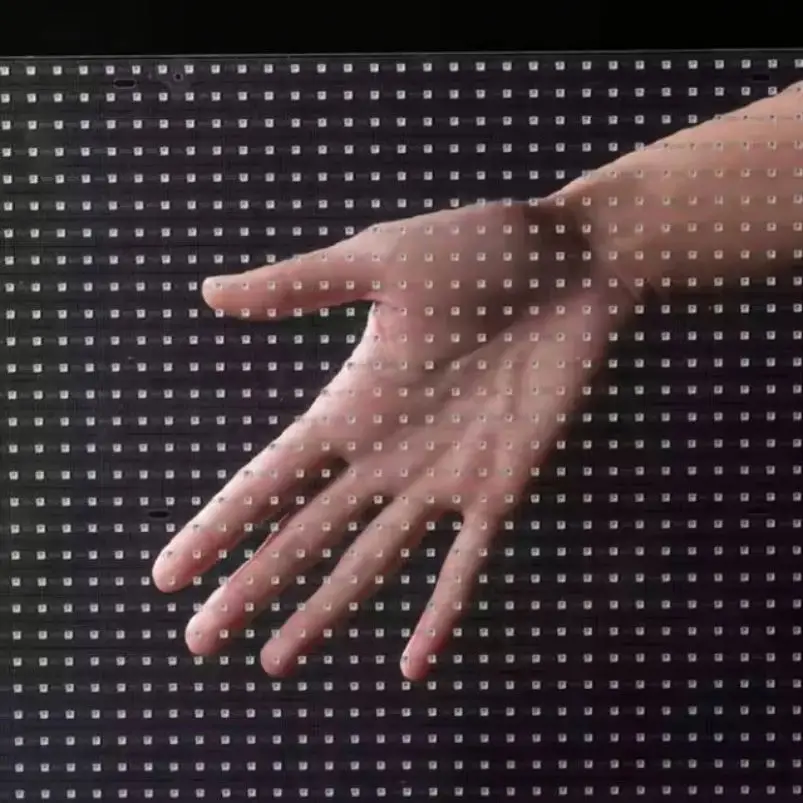
The number of pixels packed into a screen really matters when it comes to how clear images look from different distances. At corporate events where people sit right up close, within about 10 meters, screens with those fine 1.8 to 3.9mm pitches work best because they stop individual pixels from being noticeable. When staging mid sized concerts or setting up backdrop displays that audiences view from around 10 to 25 meters away, going for 4.8 to 6.0mm pitch strikes a good balance between picture quality and what the budget can handle. And for massive stadium setups where viewers are sitting farther than 25 meters away, the bigger 8 to 10mm pitch screens actually make sense since nobody will see the pixels anyway and it saves money in the long run.
| Viewing Distance | Pixel Pitch Range | Primary Applications |
|---|---|---|
| <10 meters | 1.8–3.9mm | Conference stages, VIP areas |
| 10–25 meters | 4.8–6.0mm | Concert backdrops, mid-size arenas |
| 25 meters | 8–10mm | Stadiums, outdoor festivals |
The amount of ambient light around an area really determines what kind of brightness we need. For indoor spaces like ballrooms where lighting is carefully controlled, somewhere between 800 and 2000 nits usually gets the job done without wasting electricity. But when we move outside, things change completely. Sunlight can be brutal on displays, so outdoor setups typically require much brighter screens ranging from 5000 to 10000 nits just to cut through all that glare. This is actually one of the biggest hurdles facing anyone who rents LED screens for events outdoors. At these higher brightness levels, heat becomes a serious problem that can mess with colors if not properly managed. That's why good thermal management systems are absolutely necessary. And don't forget those built-in light sensors either they work behind the scenes adjusting screen output based on surrounding conditions, saving power without making text or images disappear into bright daylight.
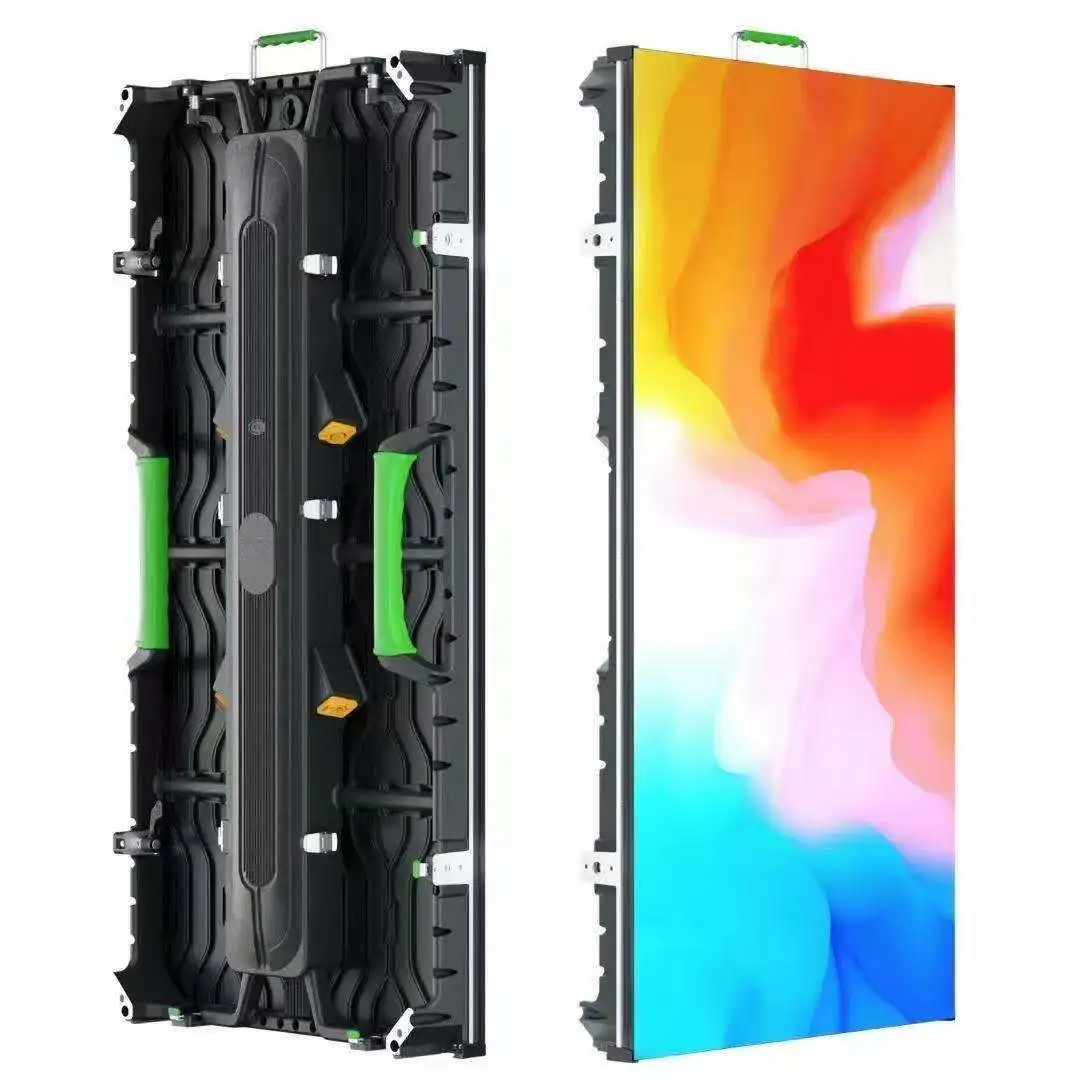
Today's LED screen rentals focus heavily on getting set up quickly thanks to smart design features. The front serviceable cabinets are a game changer really because techs can swap out modules right from where people watch, so no need to fight for space behind the scenes in tight spots. No tools required mounting systems make installation go much faster too. We've seen labor costs drop around 30% when compared to older systems that needed bolts everywhere. And speaking of speed, these modular designs just slot together so well that full crews can put together displays covering 100 square meters in less than four hours sometimes even quicker depending on conditions. Makes all the difference at events with multiple stages where plans change at the last minute and setups need adjusting fast.
The ability to keep operations running smoothly depends heavily on built-in backup systems. Most facilities now have dual power sources connected through automatic transfer switches that kick in whenever there's a problem with the main electricity supply. At the same time, spreading out signal processing across multiple points means no one component can bring everything down if something goes wrong. For lighting control, ambient sensors adjust brightness levels automatically throughout the day so people don't have to fiddle with controls every time sunlight changes. And then there are those remote monitoring dashboards that watch everything constantly. They catch issues like failing pixels long before anyone watching the broadcast would even notice anything is off. All these layers of protection work together pretty well too, keeping things online at least 99.8 percent of the time for important live events where downtime just isn't an option.
Most people don't realize that the basic rental cost for an LED screen is actually only around 40 to 50 percent of what they end up paying overall. Then there's the rigging work which eats up roughly 30 to 40% of the budget because special engineers need to design safe installations and qualified crews must handle the actual mounting. Power setup stuff like transformers, electrical panels, and sometimes even backup generators can take another 15 to 25% depending on where the event happens. We also need to factor in those extra tech bits - things like fiber optic cables when we need signals to go past 100 meters, plus software licenses for content servers. That usually adds around 12 to 18% to the bottom line. And let's not forget about having technicians onsite during the whole event, which typically costs between 10 and 15% for monitoring everything and fixing problems as they happen. All these hidden costs explain why smart companies always ask for detailed breakdowns of all the services included, not just the price tag on the equipment itself.
Choosing the right LED screen rental company means looking for partners who actually stand behind their gear with solid service level agreements. The really good ones will promise under 15 minutes to fix any pixel issues and have those backup signal paths ready so screens don't go dark mid-show. Check if they bring spare parts onsite too because nobody wants a presentation stopped while someone runs to get replacement modules. Don't forget to ask about doing a walk through before the event starts. This lets them check how much weight structures can handle, where power outlets are located, and make sure nothing blocks the view from different angles in the venue. All these little details turn what could just be another equipment rental into something that actually protects against disasters when things get stressful during live productions.
 Hot News
2025-05-27
2025-09-25
2025-09-23
 EN
EN