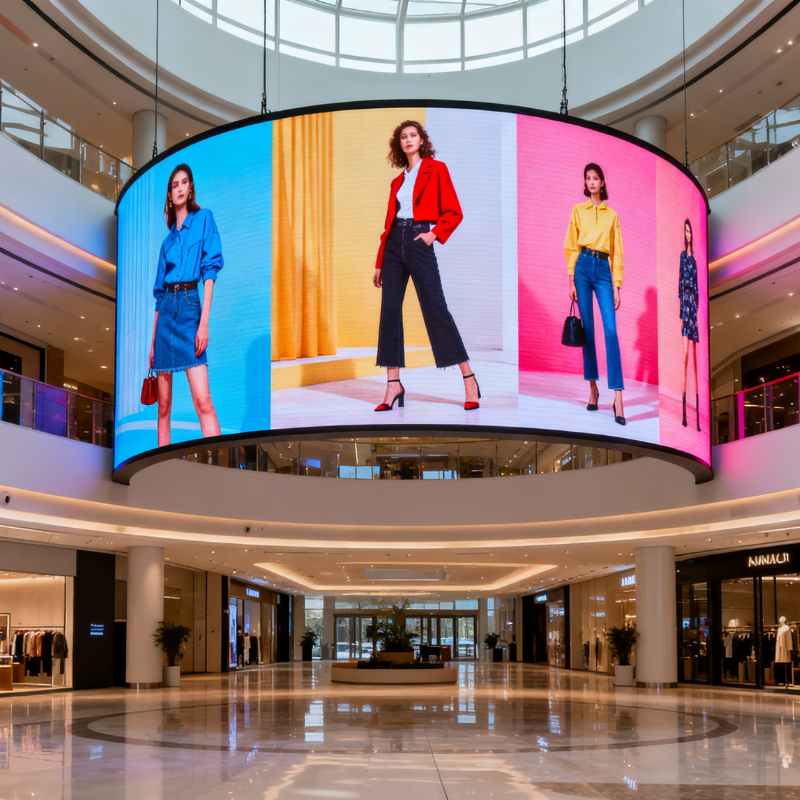
Many stores now install those flashy LED screens along shelves and hanging from ceilings to make their shopping spaces feel less boring and more interactive. The cool thing about these digital displays is that store managers can change what's shown almost instantly when there's a sale going on, need to warn customers about low stock, or want to push specific deals based on how many people are walking through at any given moment. When placed right where shoppers look naturally, these screens grab attention around 3.5 times better than old fashioned paper signs according to Digital Signage Today from last year. Grocery stores mount them high above aisles to draw eyes toward fruits and veggies before they spoil during busy shopping periods. Clothing shops put smaller versions right next to racks to point out discounted items that might otherwise get overlooked. Stores report seeing anywhere between 18% to 27% increase in spontaneous buying behavior across different industries, plus they save money by printing 40% less promotional material. The moving images combined with relevant messages keep customers engaged as they move through the store, making the whole shopping experience feel more dynamic rather than just transactional.
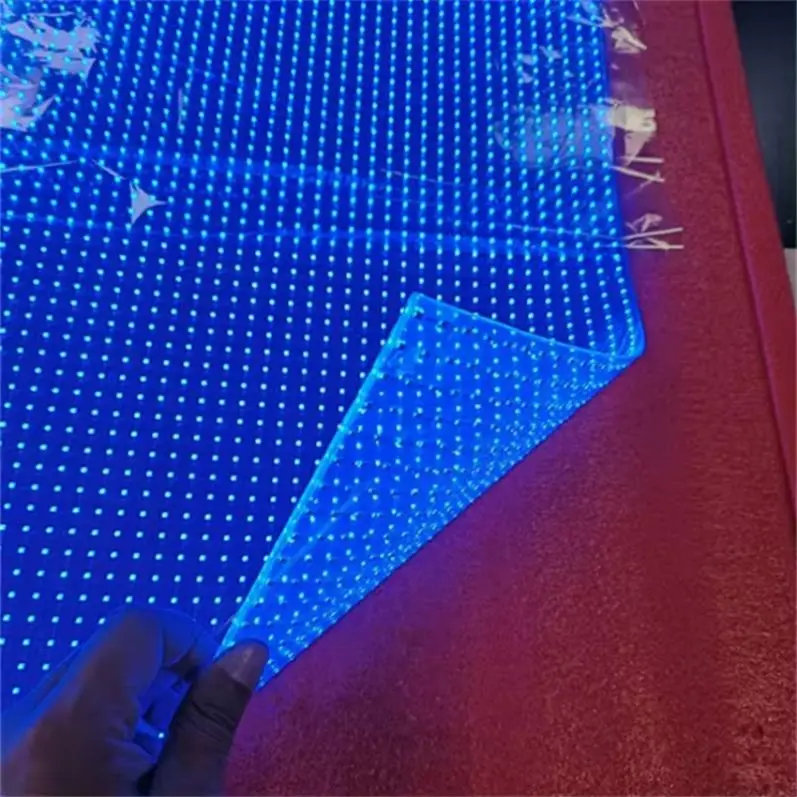
LED panels with really tiny pixels under 1.5mm show products at actual size with incredible details. These screens can actually reveal things like how watches work inside, the weave patterns in fabrics, or even the way jewelry is set into metal. Pair these displays with augmented reality technology and suddenly customers get all sorts of interactive options on their phones. Cosmetics stores let people see what makeup looks like on them instantly. Furniture shops help visualize how sofas would look in someone's living room just by scanning a QR code. Some stores even use NFC tags that start videos showing how products are made. According to Retail Tech Journal from last year, this combination keeps shoppers hanging around 32% longer and increases sales of expensive items by about 21%. The experience creates stronger emotional ties between brands and customers because people aren't just looking at products anymore, they're engaging with stories behind them.
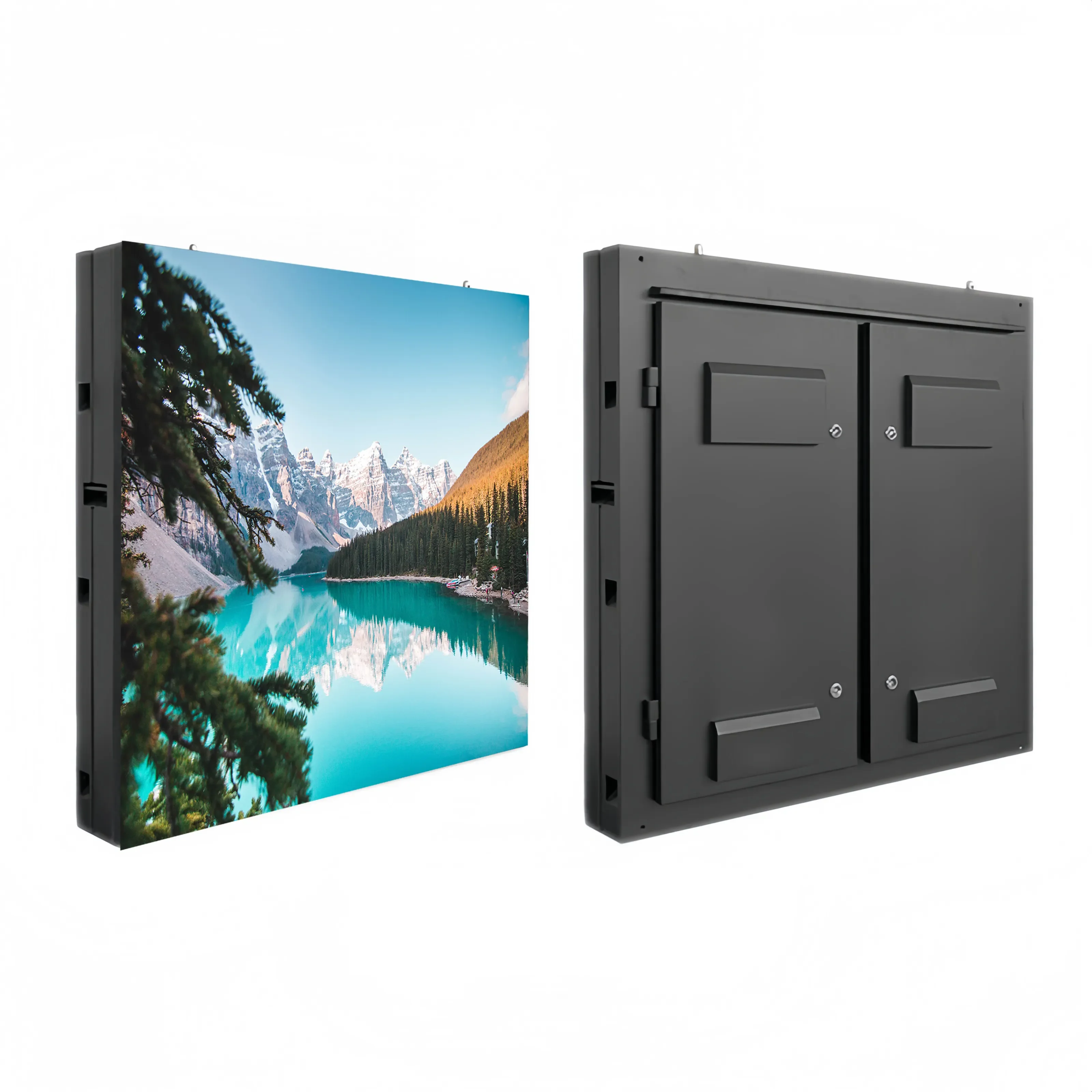
Outdoor ads today need to stand up to whatever Mother Nature throws at them while still grabbing attention from afar. That's why we're seeing so many high brightness LED panels these days, ones rated above 5000 nits that actually cut through the sun glare when placed outside. The cases themselves are built tough too, with IP65 ratings meaning they can handle rainstorms, dust storms, and everything in between without breaking down. This combination lets these displays run non stop day after day in busy spots like highway exits and train stations. And according to the latest numbers from the Digital Signage Report released last year, people remember what they see on these digital boards about 32 percent better compared to those old fashioned paper posters stuck on poles.
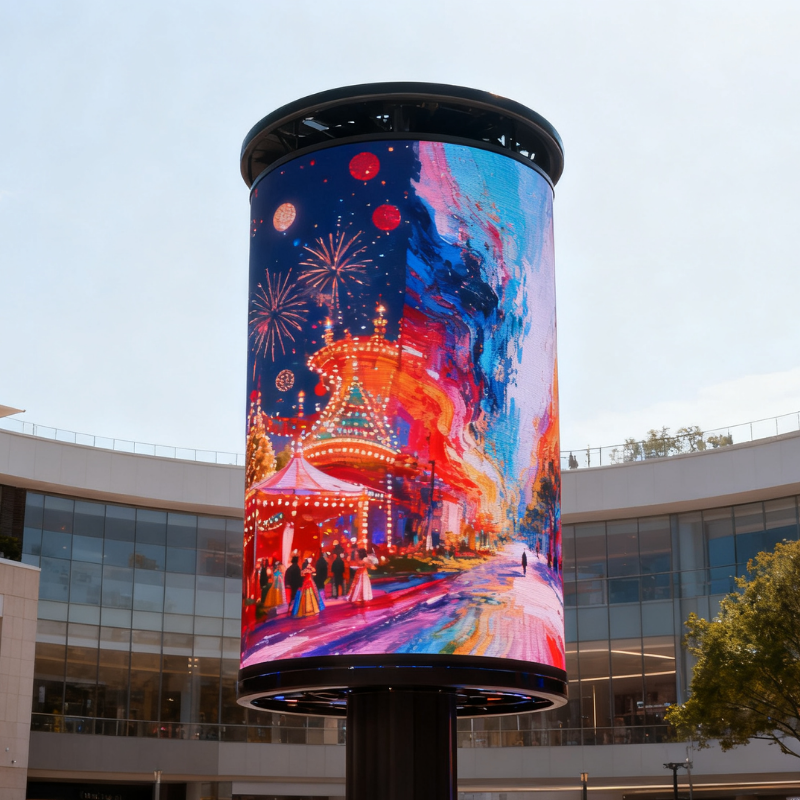
Building facades are getting a makeover with LED panels that go beyond just sticking on walls. These aren't mere decorations anymore but become part of the actual architecture itself. The modular nature means they can wrap around all sorts of shapes from round towers to jagged modern buildings. Some systems pull in live information so messages change based on what's happening nearby. And at night, the lights automatically adjust their brightness so they don't overwhelm the surrounding area. Many installations now include motion detectors or QR codes that people can scan. According to some studies, this tech combination makes folks spend almost half an hour longer looking at these displays compared to traditional billboards. What was once just something to glance at becomes an interactive experience where people actually engage with the brand rather than just passively seeing it.
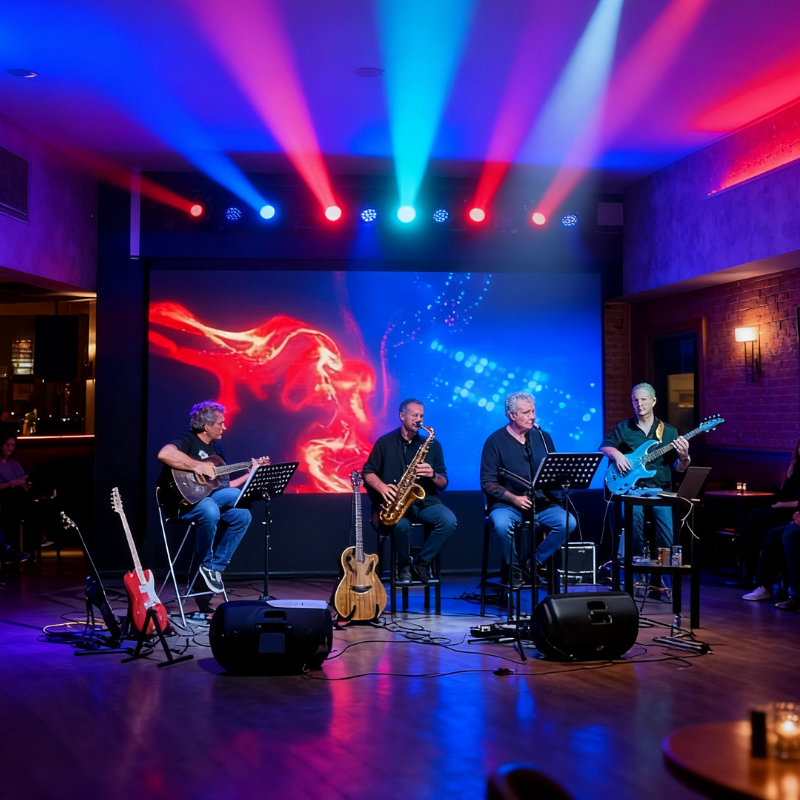
Curved LED video walls of large format break down traditional viewing limits, surrounding people completely with immersive 360 degree experiences that tap into our peripheral vision for deeper engagement. These installations work wonders at trade shows where products appear life size with crystal clear details, while concert venues benefit from visuals that react to music in real time. The modular design allows for all sorts of custom shapes both concave and convex, which has been shown to keep crowds around longer. Some studies indicate dwell times go up about 40% compared to standard setups. When brands incorporate real time changes like augmented reality elements during product reveals or changing stage visuals when songs hit their climax points, this turns passive spectators into active members of the experience, creating stronger connections with the overall brand message.
The effect of LED panels really kicks in when they're installed in busy commercial spots like transit centers, airports, and those mixed-use complexes where people tend to hang around longer. Air travelers typically stick around for over half an hour according to recent studies, which means ads can be seen multiple times as folks pass by. These kinds of placements actually boost memory retention by almost 50% compared to regular billboards because people see them again and again. Getting good returns depends on looking at how many people walk through certain areas, what kind of folks they are, and where things are located relative to each other. For instance, putting screens near fancy shops close to airport lounges makes sense. Also important is making sure panels are visible from places where crowds naturally gather such as near gate areas, food court entrances, and platform edges. The numbers don't lie either showing that properly placed displays lead to better engagement times and actual conversions happening.
Artificial intelligence is changing how we think about LED panels, turning them from simple broadcasting devices into smart advertising spaces that react to what's happening around them. The systems analyze all sorts of live data about people watching the ads - things like who they are, how long they stand there, even subtle body language signals. Based on this information, the content changes on the fly. Think about seeing umbrella promotions when it starts raining, or energy drink ads popping up near stadiums during game days. Sometimes they'll show special deals tied to local festivals or holidays too. These personalized messages tend to grab attention better, with some studies showing around a 30 percent increase in viewer interaction. But the benefits go beyond just instant reactions. AI helps figure out where these panels should be placed for maximum impact over time. Instead of guessing which locations work best, companies get actual predictions about foot traffic patterns. This approach replaces old fashioned guesswork with something much more reliable, and ultimately leads to better returns on investment because the ads actually connect with real people at the right moments.
 Hot News
2025-05-27
2025-09-25
2025-09-23
 EN
EN