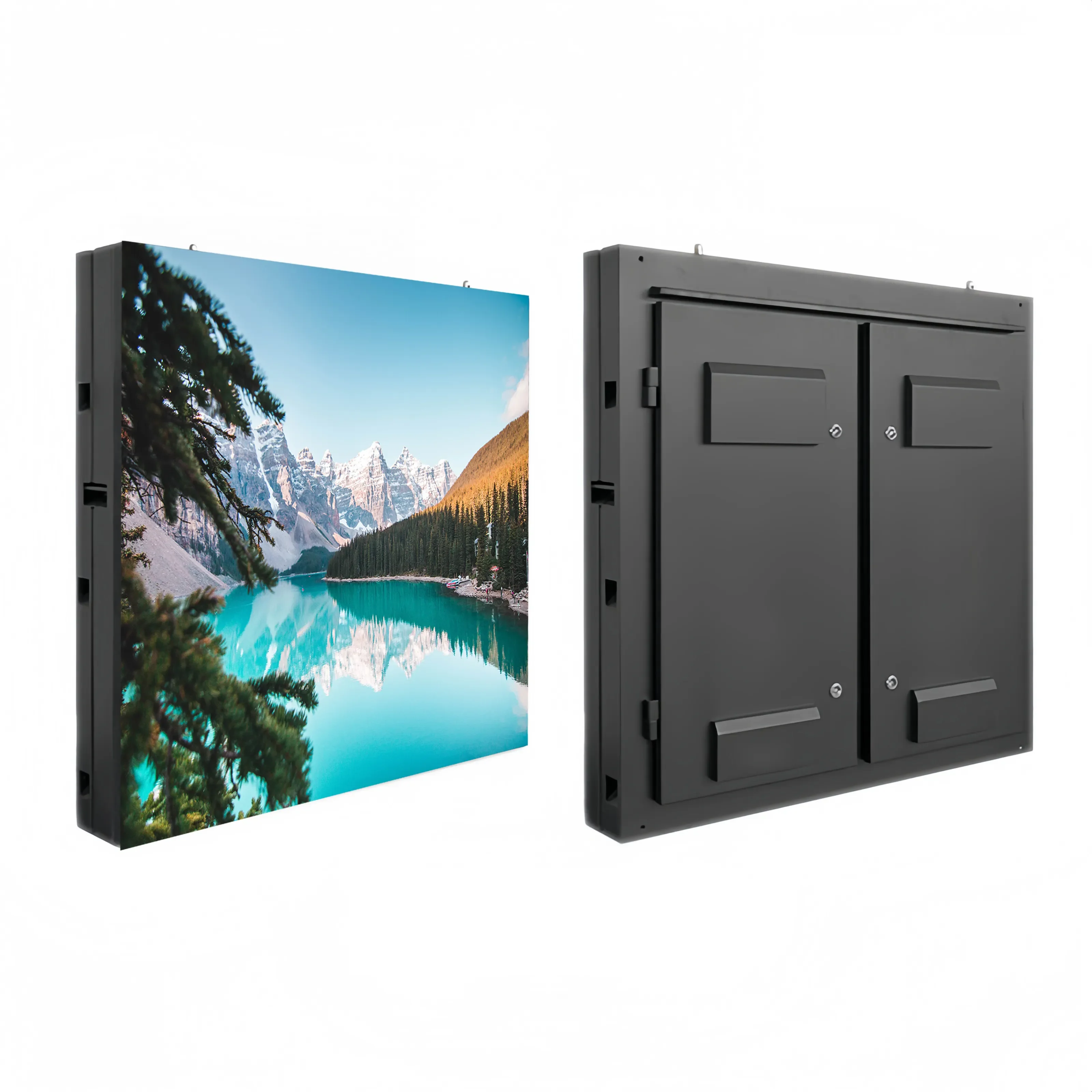
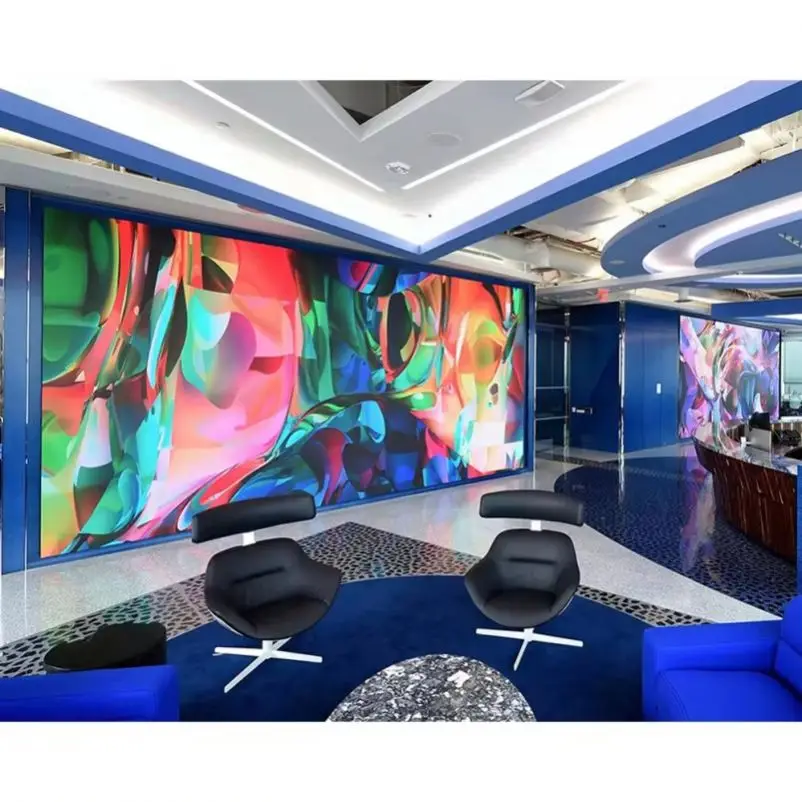
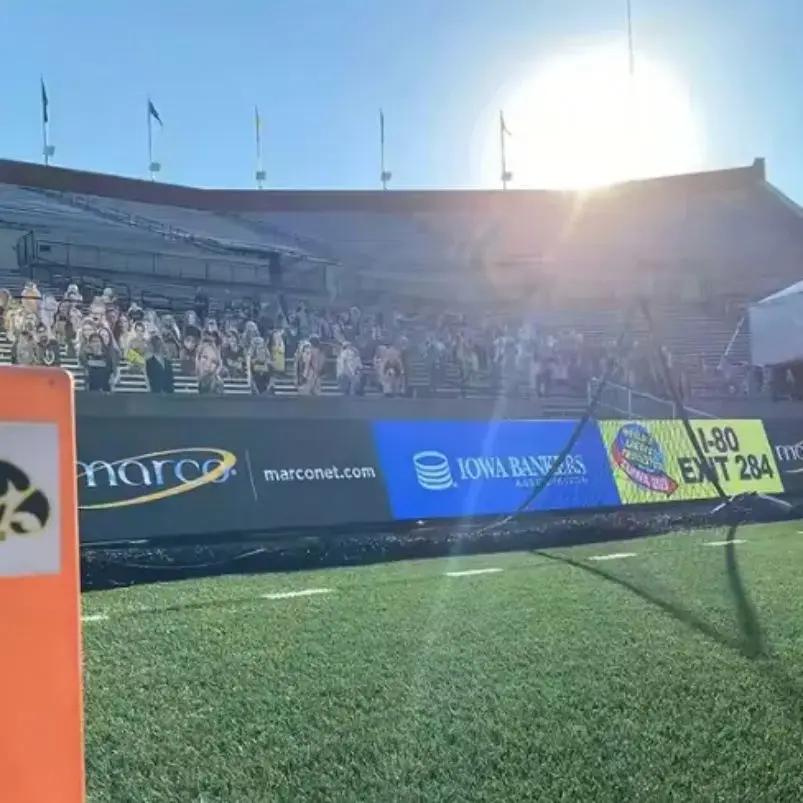
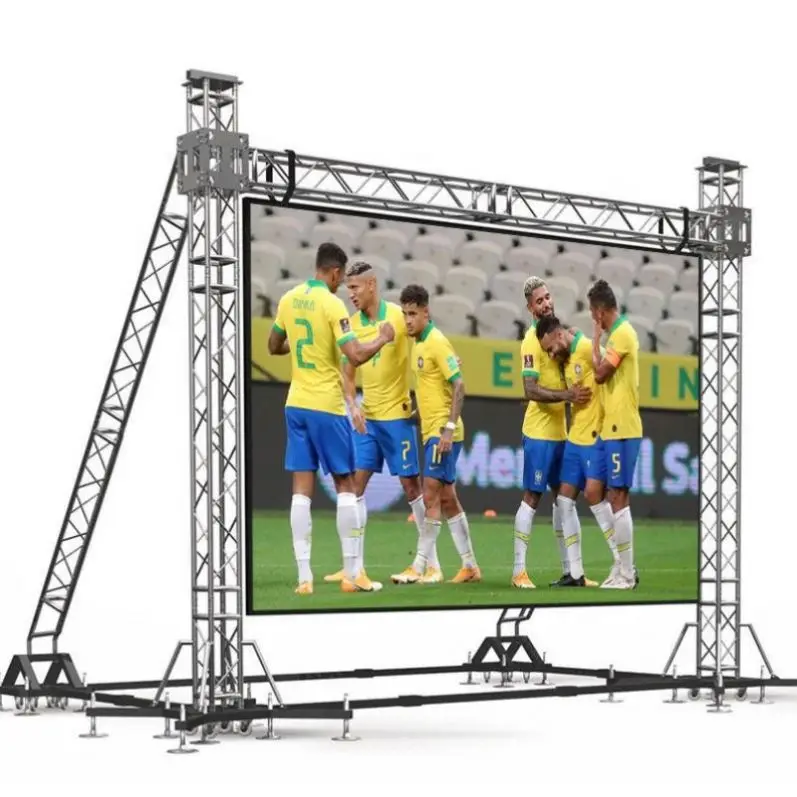
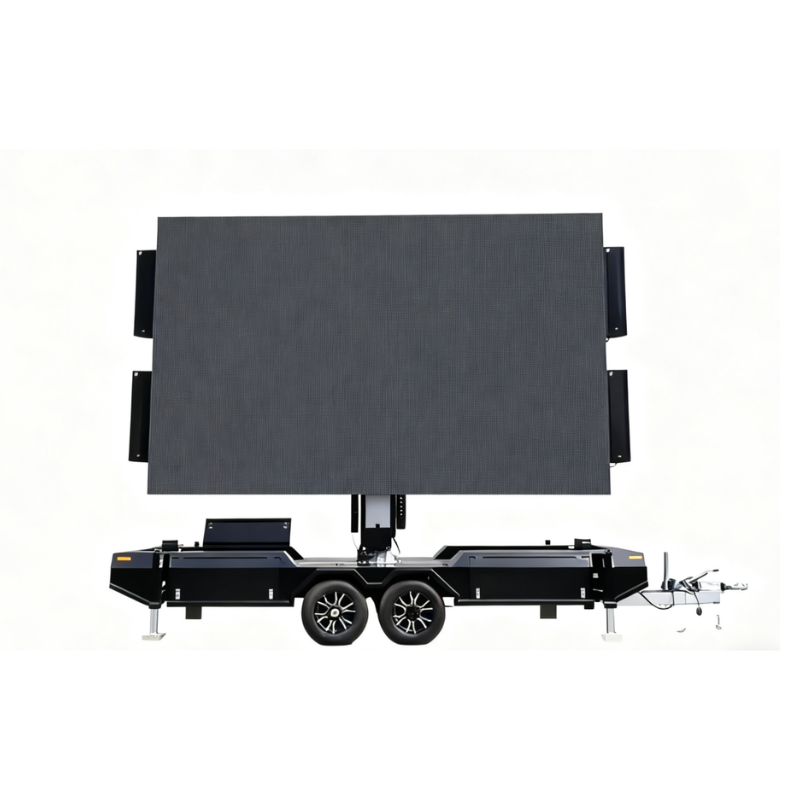
The reason why Jumbotron displays look so clear from short distances has everything to do with their pixel pitch optimization. Basically, this refers to how far apart those tiny LED clusters are spaced. When the pixel density gets really tight, usually below 5mm spacing, the images stay sharp even when fans are sitting just 30 feet away from the screen. No more seeing those annoying gaps between pixels that make screens look like windows with bars across them. Regular billboards along highways work differently since people view them from miles away, but Jumbotrons need to show all the little details so spectators feel immersed in what's happening on field level. Plus, these displays come in modular pieces that can be arranged in whatever way makes sense for each specific venue. This means curved screens around corners or angled displays still deliver great picture quality no matter where someone happens to be sitting.
Outdoor jumbotrons can hit brightness levels anywhere from 5,000 to 10,000 nits, which is roughly three times brighter than what we typically see indoors. This makes them visible even when the sun is shining directly on them. When combined with contrast ratios over 5000:1, these screens produce deeper blacks and richer colors that don't fade away in daylight conditions. The technology goes further too; advanced optical bonding helps cut down on annoying glare problems. Plus, the enclosures are built to withstand harsh weather conditions thanks to their IP65+ rating, so they work reliably whether it's freezing cold at -30 degrees Celsius or sweltering hot at 50 degrees. What really matters though is those ambient light sensors that automatically adjust screen brightness throughout the day. They save power during evening hours but still keep everything readable around midday when sunlight is strongest. All these technical advantages mean outdoor displays perform far better than regular ones in meeting strict visibility standards, keeping audiences engaged no matter what time of day it happens to be.
Putting in place those big screen jumbotrons needs quite a bit of money at the start, and most of that cash goes toward integrating them into existing structures. These aren't your regular displays folks. Large scale installations call for special engineering work including things like heavy duty mounting brackets, proper rigging solutions, and completely separate electrical systems when installed in places like sports arenas or city squares. The costs really go up because each location brings its own set of problems. Think about figuring out how strong winds might affect stability, meeting earthquake standards where applicable, plus dealing with access issues for maintenance crews. All these factors can push installation expenses anywhere from 40 to 60 percent higher than expected. Getting professionals on site early makes all the difference though. They help strike the right balance between keeping everyone safe, making sure people actually see what's displayed, and getting value over many years of service. This careful planning ensures the screens keep working reliably for generations to come.
Looking at a 3 year total cost of ownership shows that jumbotrons actually save money while still performing great. Maintenance costs usually fall somewhere between ten thousand and one hundred thousand dollars each year for things like cleaning, running diagnostics, and replacing specific LED modules when needed. These repairs happen much less often compared to the constant ad changes required for regular billboards. The energy usage stays pretty reasonable because these displays use efficient LEDs and have smart scheduling features that cut down wasted power during idle times by around thirty percent. Managing content dynamically means advertisers can update messages instantly across different zones without extra production work, making their campaigns more flexible. Industry research backs this up too, with some studies indicating brands get remembered seventy percent more after using these digital displays instead of old fashioned static ones. All these factors combined help businesses recoup their initial investment faster than expected.
Today's big screen systems are changing how people watch events from just sitting there to actually getting involved. With cloud based content management systems, companies can now push out social media feeds, messages triggered by events happening on site, or even adjust promotions based on current weather conditions all within just a few minutes. The screens also have interactive features that keep folks engaged longer. People scan QR codes for discounts, send text messages to vote, or start augmented reality experiences right from where they stand. Some screens can be split into different zones too. One part might show instant replays while another promotes food stands nearby and yet another displays videos made by fans themselves. All these things happen at once without messing up the overall look of the branding. What we're seeing here is a smart way to connect with audiences in real time, making sure the messages match exactly what's going on around them during the event.
When it comes to outdoor digital signage, jumbotron displays stand out because they blend solid construction with green thinking. These units come protected in tough IP65+ housings that keep working even when Mother Nature throws her worst at them - think torrential downpours, blizzards, sandstorms, or anything from bone-chilling minus 30 degrees Celsius all the way up to scorching 50 degrees. The real kicker is how this toughness means fewer technicians crawling around with tools fixing things, plus these screens often last well past a decade before needing replacement. That kind of longevity cuts down on both resources spent and trash generated over time. Speaking of efficiency, modern LED modules inside these displays slash electricity consumption by roughly 40% compared to older lighting tech. Plus, manufacturers are now using aluminum frames that can actually be recycled later on, and cutting back on harmful substances throughout production. There's also something called anti-glare coating applied to the screens so people can still read content clearly during bright sunlight hours without compromising those energy savings either. All these features make jumbotrons not just durable hardware but smart investments for companies wanting to meet stricter environmental regulations while keeping costs under control.
 Hot News
2025-05-27
2025-09-25
2025-09-23
 EN
EN