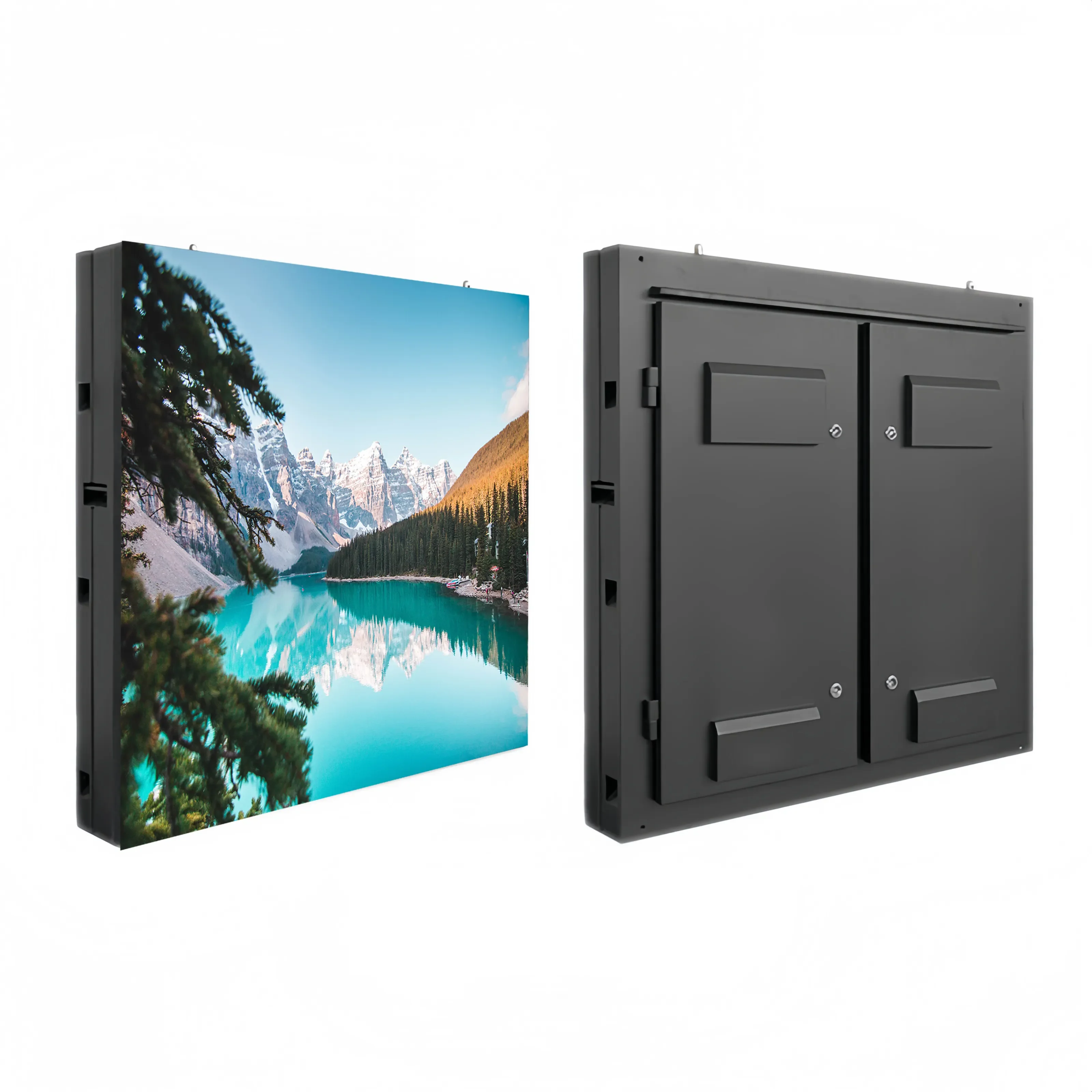
COB LED displays with fine pitch can reach pixel densities down to around P0.7, which makes them capable of displaying true 4K and even 8K content when viewed from less than 1.5 meters away. Such high resolution matters a lot in places like control centers, upscale retail spaces, and training simulators where getting every tiny detail right is absolutely necessary. What sets these apart from regular SMD displays is their built-in design that gets rid of those annoying visible pixels while keeping the screen bright and colors looking consistent all over the surface. The industry has been moving toward this technology because it just works better for applications needing both clarity and professional appearance.
When pixel pitch drops below 1mm, COB tech really starts to shine compared to traditional SMD approaches because it mounts chips directly onto boards. This setup cuts down on visible pixelation by around 60% and gets rid of those annoying color separation issues that plague other displays. For places where people need to see every detail, such as medical imaging centers or TV studio control rooms, the difference is night and day. There's basically no aliasing or moire effects when cameras get super close to these screens. That matters a lot in situations where doctors rely on clear images for diagnoses or broadcasters need pristine video quality for their productions.
Factory calibration done right along with careful mechanical alignment gets those panel gaps down below 0.1mm. When we throw in those built-in optical diffusion layers too, what we end up with are these massive wall-sized displays that stretch over 200 inches diagonally. These big screens work great in places like company reception areas, control rooms, or even training simulators where immersion really counts. The color balance stays pretty much the same from one module to another, which means no more annoying tile lines that plague older LED wall setups. This kind of uniformity makes all the difference when trying to create that seamless visual experience customers expect nowadays.
The broadcast industry is moving fast towards COB technology, which really shows how ahead of the curve this tech actually is. According to DisplaySearch data from 2023, about 92 percent of new flagship studios have gone all in on COB LED displays specifically for 8K HDR work. Why? Because these screens just handle intense studio lighting better than anything else out there. They keep colors looking right even when lights are blasting, something that was always a problem with older tech. And let's not forget the moiré issue everyone hated so much during high res shoots - COB basically eliminates that headache altogether.
COB LED displays deliver visual performance unmatched in demanding indoor applications-enabled by three core innovations:
The black matrix that's built into these displays helps soak up unwanted ambient light between those tiny pixels. At the same time, those micro cavity structures work to direct light better and keep colors looking pure and clean. When these two technologies work hand in hand, they create really deep blacks on screen. Some specs even claim contrast ratios can hit over 100,000 to 1, though actual results may vary depending on the display quality. This makes a big difference for seeing details in dark areas of HDR content. We've seen this technology shine particularly well in places where lighting conditions are tricky, like inside hospital diagnostic rooms or when pilots train in flight simulators at night.
COB displays deliver pretty much flawless angular consistency, showing less than 5% variation in brightness and color shifts below ΔE 2 across their entire 178 degree viewing angle. What this means is people can see clear, undistorted images no matter where they stand relative to the screen. The consistent display quality makes these screens ideal for places like stock trading floors where traders need to make quick decisions based on what's shown, or emergency command centers where multiple team members might be looking at different angles simultaneously. Even in military command situations with complex C4ISR systems, operators don't have to worry about distorted visuals affecting their situational awareness when moving around the room.
A continuous phosphor coating and engineered optical diffusion layer suppress pixel-level structure, effectively eliminating moiré and aliasing during close-up filming or optical magnification. Broadcast studios leverage this capability to capture clean, broadcast-grade imagery without post-production correction-maintaining color fidelity and dynamic range even under high-intensity studio lighting.
When operational continuity is non-negotiable-as in stock exchanges, surveillance hubs, or air traffic control facilities-COB LED displays deliver engineering-grade resilience grounded in three validated pillars:
Hermetically sealed COB modules feature dual-layer protection: IP65-rated front-side sealing and conformal coating on rear electronics. This safeguards against humidity swings, condensation, and airborne particulates commonly found in server rooms, climate-controlled data centers, and industrial control environments.
COB microchips are rated for over 100,000 hours of mean time between failures-even under sustained 70°C ambient conditions per UL 8750 testing. Intelligent thermal management dynamically adjusts output during heat spikes, ensuring stable performance without degradation or downtime.
The display surface withstands mechanical impact equivalent to a 500g mass dropped from 60cm-meeting IK08 rating standards. This durability enables confident installation in high-traffic, high-stakes spaces like trading floors, dispatch centers, and public-facing command walls where accidental contact is inevitable.
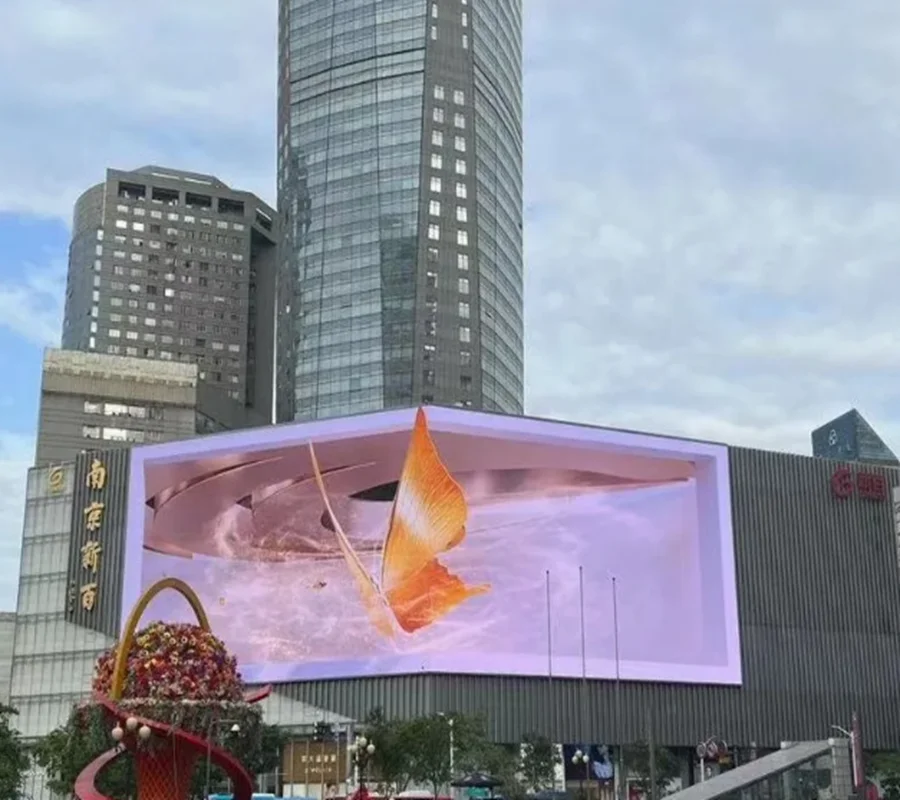
COB LED modules today are incredibly thin, often measuring under 35mm deep and weighing roughly 40% less than standard LED panels, which makes them perfect for blending into building designs. These lights can be installed right into ceiling spaces, wrapped along curved walls, and even squeezed into tight spots inside old buildings or modern glass lobbies. Designers love working with them because they allow for massive video displays in unexpected places like elevator shafts, store front doors, and office atriums all while maintaining the look and feel of the space without sticking out like sore thumbs.
Control units that integrate everything from video processing to signal routing, scaling and transmission all in one small box are changing the game. These systems come ready out of the box with support for HDMI 2.1 at blazing fast speeds of 48Gbps, plus 12G-SDI connections and NDI|HX technology. They also work great with Power over Ethernet, which means no need for those extra boxes we used to stack everywhere. Think about it this way: instead of needing a full 12 rack units worth of gear, installations now fit comfortably within just 4U space. And when it comes time to set things up, having those unified calibration tools makes life so much easier for technicians working in control rooms or setting up presentations in corporate theaters. We're talking about cutting setup times down by around 30%, which adds up to real savings over time.
 Hot News
2025-05-27
2025-09-25
2025-09-23
 EN
EN