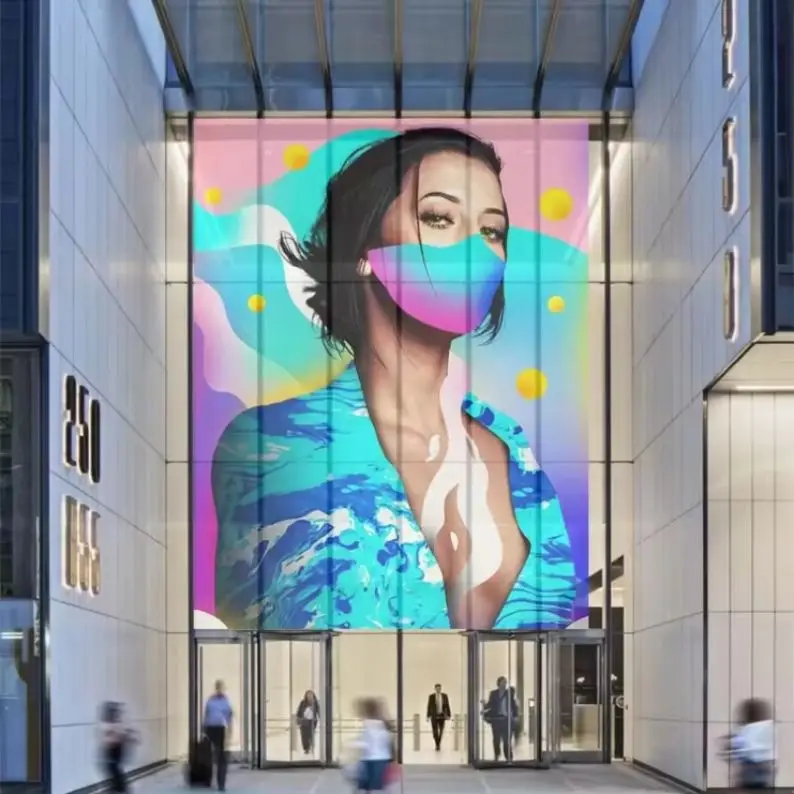
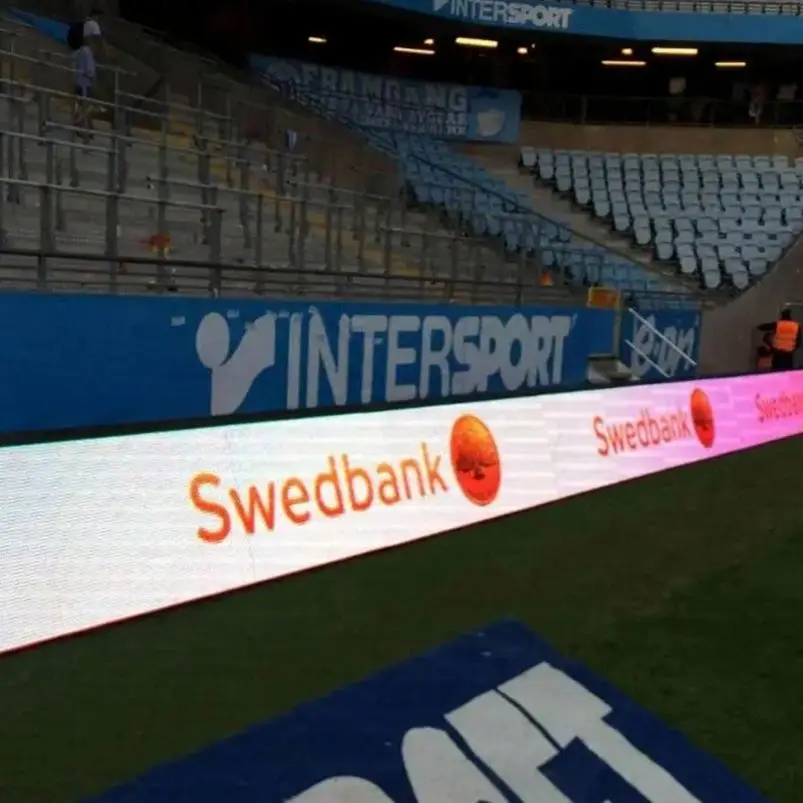
Choosing the right LED display for a shopping mall or indoor venue is one of the most impactful infrastructure decisions a facility manager or brand operator can make. A high-quality LED display delivers vivid visuals, sustained brightness, and measurable energy efficiency — all of which directly affect operating costs and visitor experience. As commercial venues face pressure to reduce electricity consumption while maintaining premium visual standards, the LED display has emerged as the go-to technology for smart, sustainable advertising and information delivery.
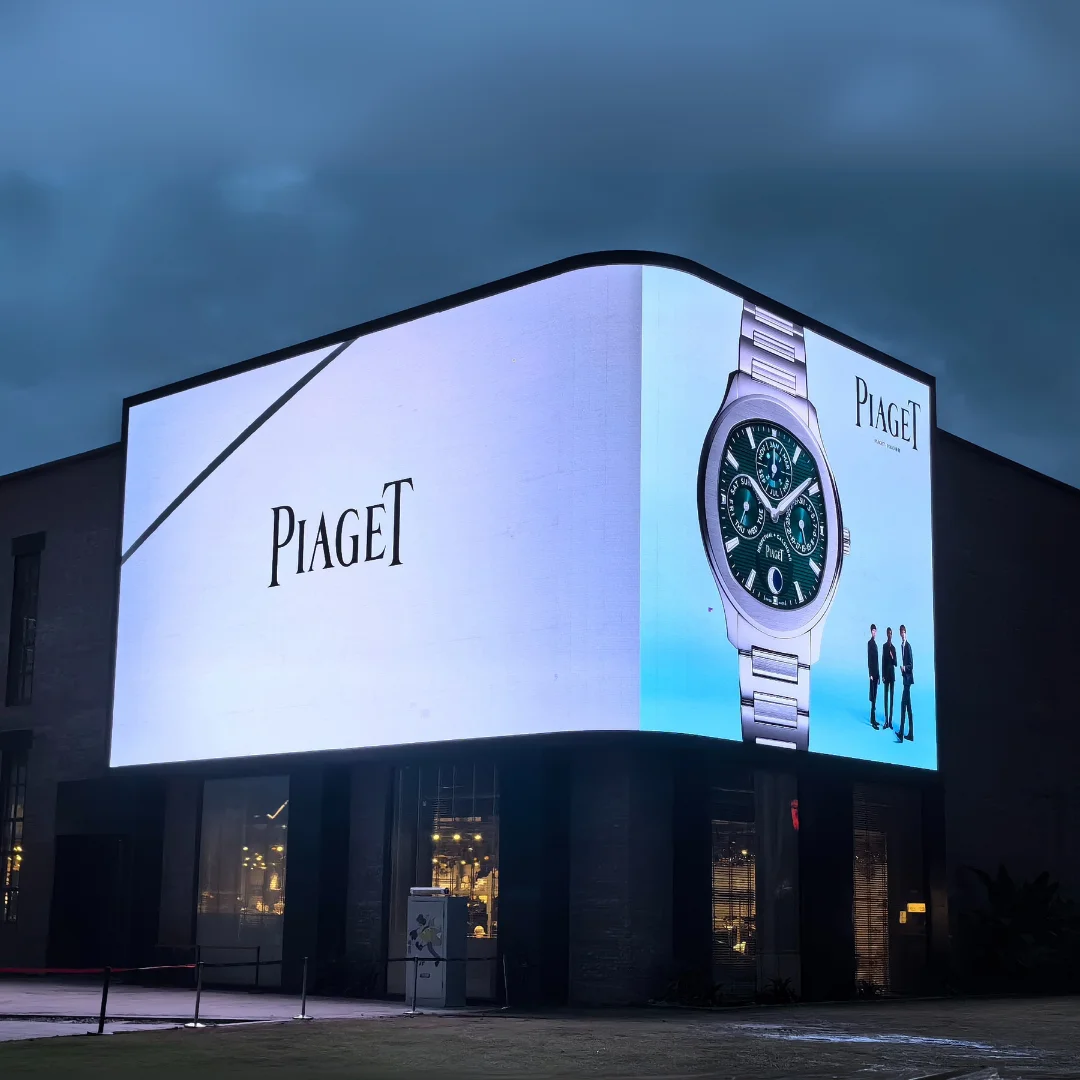
Not every LED display is built for the demands of a busy shopping mall or large indoor venue. Factors such as pixel pitch, brightness calibration, refresh rate, and thermal management all determine whether a LED display performs reliably across long operating hours. This article explores what makes a LED display genuinely energy-efficient, how to evaluate key specifications, and what structural and installation features matter most when deploying a LED display in a commercial indoor environment.
A shopping mall LED display typically operates between twelve and sixteen hours per day. Over a full year, the cumulative energy consumption of a poorly optimized LED display can represent a significant portion of a venue's total electricity bill. Energy-efficient LED display technology uses advanced driver ICs, intelligent brightness control, and high-efficiency lamp beads to reduce power draw without sacrificing luminance. For large-format installations involving multiple LED display panels, even a modest reduction in watts per square meter translates into thousands of dollars in annual savings.
Modern LED display systems incorporate automatic brightness adjustment, which allows each LED display unit to respond to ambient light conditions in real time. When a shopping mall interior is brightly lit during peak hours, the LED display maintains visibility at optimal power usage. During quieter periods, the LED display dims intelligently, reducing energy consumption without any manual intervention. This adaptive behavior is one of the clearest indicators of a genuinely efficient LED display design.
Beyond cost savings, selecting an energy-efficient LED display helps shopping malls and indoor venues meet green building standards and environmental certifications. A LED display that complies with energy benchmarks contributes positively to a facility's sustainability profile, which is increasingly important for tenants, investors, and regulatory bodies. Specifying an efficient LED display is therefore both a financial and a reputational investment for venue operators.
Pixel pitch is one of the most critical specifications when selecting a LED display for an indoor commercial venue. A finer pixel pitch means higher resolution on the LED display, which is essential in environments where viewers stand close to the screen. For shopping mall atriums, corridor installations, and retail feature walls, a LED display with a pixel pitch between P2.5 and P4 typically delivers the right balance of image clarity and cost efficiency. Choosing a pixel pitch that is too fine for the actual viewing distance wastes investment, while a LED display with too coarse a pitch produces a noticeably pixelated image that undermines brand presentation.
When evaluating a LED display for a specific zone within a shopping mall, operators should calculate the minimum viewing distance based on the intended pixel pitch. A LED display installed in a wide open atrium space can accommodate a slightly larger pixel pitch than a LED display mounted in a narrow corridor or near an escalator landing. Matching the LED display specification to the physical environment ensures maximum visual impact per dollar spent.
Indoor LED display installations require careful brightness calibration. A LED display set too bright in an enclosed mall environment creates visual discomfort for shoppers and accelerates component aging. The ideal indoor LED display operates at brightness levels between 800 and 1500 nits depending on ambient lighting conditions. A LED display with a high refresh rate — typically 3840 Hz or above — ensures that motion content appears smooth and that the LED display captures cleanly in photographs and video recordings, which matters greatly for marketing documentation and social media content.
Thermal performance is another reliability factor that directly affects the long-term cost of owning a LED display. A LED display with efficient heat dissipation maintains consistent color accuracy and extends the lifespan of individual lamp beads. Poor thermal design causes a LED display to degrade faster, leading to uneven brightness patches and increased maintenance expenses. Venue operators should prioritize LED display products that demonstrate proven thermal management through cabinet design and module-level heat handling.
A shopping mall environment presents unique structural constraints. Ceilings, columns, curved walls, and glass facades all require a LED display solution that is flexible in form and straightforward to install. Lightweight LED display cabinets significantly reduce load on mounting structures and lower the labor cost of installation. Front-access LED display designs allow maintenance technicians to service individual modules without removing the entire panel assembly, which minimizes disruption to mall operations. A well-engineered LED display cabinet system also supports modular expansion, making it easier to scale the LED display installation as venue requirements grow.
For outdoor-facing or semi-outdoor LED display applications within a mall — such as entrance facades, skylight areas, or external-facing window installations — an IP65-rated LED display provides the necessary ingress protection against dust and moisture. An IP65 LED display combines the visual performance expected indoors with the durability needed in transitional or exposed zones. This makes the IP65 LED display a practical choice for venues that span both interior and exterior environments.
A modern LED display installed in a shopping mall should integrate seamlessly with a centralized content management system. This allows operators to schedule advertising content, manage multiple LED display zones from a single interface, and monitor each LED display unit's performance remotely. Integration with retail data systems enables dynamic content delivery, where a LED display updates promotional messaging based on inventory levels, time of day, or foot traffic patterns. A LED display equipped with a compatible control platform gives venue operators both operational efficiency and advertising flexibility.
For most indoor shopping mall environments, a LED display with a pixel pitch between P2.5 and P4 offers the best balance of image quality and cost. The right choice depends on the minimum viewing distance in each specific zone where the LED display will be installed.
An energy-saving LED display uses intelligent brightness control, high-efficiency lamp beads, and advanced driver ICs to reduce power consumption. Automatic dimming allows the LED display to adapt to ambient light conditions, lowering energy use during off-peak periods without manual adjustment.
An IP65 LED display is recommended for areas within a shopping mall that are exposed to moisture, dust, or outdoor conditions, such as entrance facades or semi-outdoor atrium spaces. For purely interior zones, a standard indoor LED display with lower ingress protection is typically sufficient.
 Hot News
2025-05-27
2025-09-25
2025-09-23
 EN
EN