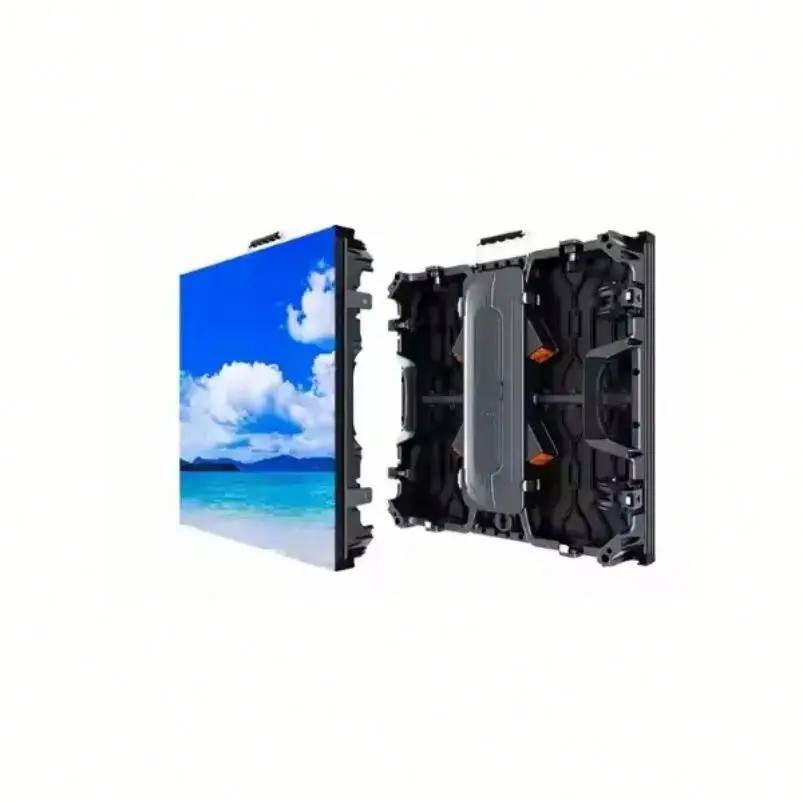
The display industry is shifting rapidly, and energy-saving LED walls are now at the center of that transformation. As businesses, municipalities, and event operators seek ways to reduce operational costs and environmental impact, the choice between energy-saving LED walls and conventional LED screens has become one of the most important procurement decisions in the market. Understanding the real differences between these two technologies is essential before committing to a long-term display investment.
This comparison examines energy-saving LED walls against conventional LED screens across several critical dimensions including power consumption, total cost of ownership, visual performance, and deployment flexibility. Whether you are evaluating displays for an outdoor advertising site, a retail environment, or a public information network, the insights in this article will help you make a well-informed decision. Energy-saving LED walls offer compelling advantages that go far beyond simple power reduction.
Energy-saving LED walls are engineered with advanced driver ICs, higher-efficiency LED chips, and intelligent brightness management systems. These components work together to deliver the same visual impact as conventional LED screens while consuming significantly less electricity. In practical deployments, energy-saving LED walls typically reduce power draw by 30 to 50 percent compared to older conventional LED screen architectures. This reduction is not achieved by sacrificing brightness or color accuracy but through smarter energy distribution at the hardware level.
Conventional LED screens were designed in an era when energy cost was a secondary consideration. Their driver circuits and power supply units are less optimized, resulting in more heat generation and wasted electrical energy. Energy-saving LED walls address this directly by integrating low-power drivers that regulate current with greater precision. The result is cooler operation, longer component lifespan, and reduced strain on power infrastructure.
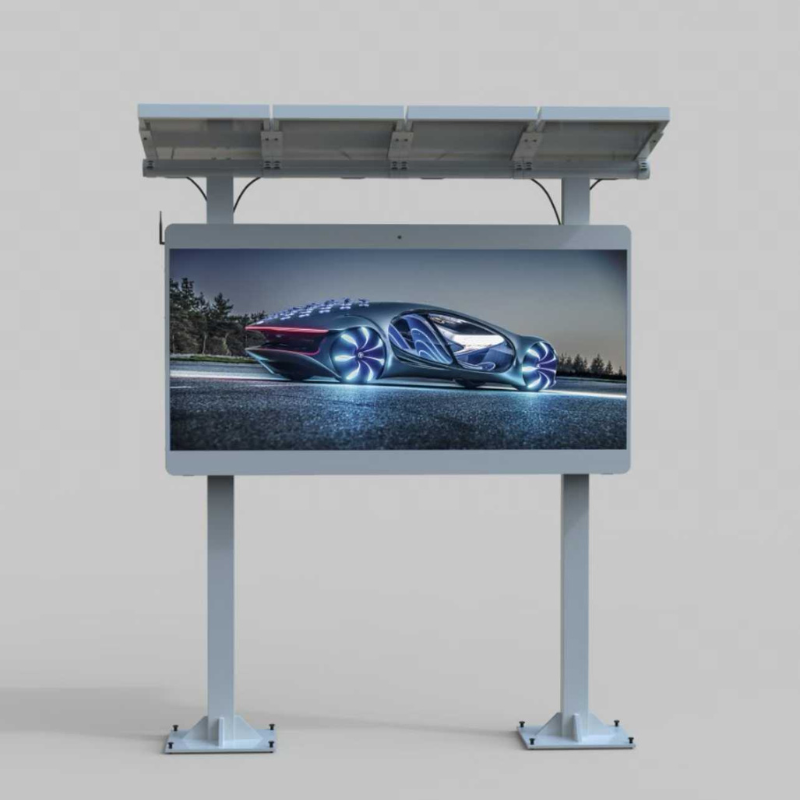
When deploying large-format displays at scale, the difference in power draw between energy-saving LED walls and conventional LED screens becomes a significant infrastructure factor. A network of energy-saving LED walls requires smaller electrical feeds, simpler circuit protection, and lower-capacity UPS systems. For outdoor installations in locations with limited grid access, energy-saving LED walls are often the only technically viable option. Some configurations of energy-saving LED walls can even operate on solar-charged battery systems, eliminating grid dependency entirely.
One of the most frequently cited concerns about energy-saving LED walls is that their initial purchase price can be higher than equivalent conventional LED screens. This is partly true when comparing raw panel costs, but the comparison shifts dramatically when total cost of ownership is calculated over a three-to-five year period. Energy-saving LED walls generate measurable electricity savings every day of operation, and those savings compound significantly over a standard display lifecycle. For a large outdoor screen running 18 hours per day, annual electricity cost reductions from using energy-saving LED walls can offset the price premium within the first two years.
Conventional LED screens, while cheaper upfront, accumulate higher operating costs that erode any initial savings. Businesses that evaluate displays purely on purchase price often underestimate how quickly electricity costs add up. Energy-saving LED walls reframe the procurement conversation from a capital expenditure decision to a return-on-investment calculation, which is a more accurate framework for long-term display planning.
Heat is one of the primary enemies of LED component lifespan. Conventional LED screens generate more heat due to their less efficient power conversion, which accelerates LED degradation and increases the frequency of maintenance interventions. Energy-saving LED walls run cooler by design, which directly extends the functional lifespan of the LED chips and driver boards. Operators of energy-saving LED walls typically report fewer module replacements and lower annual maintenance costs compared to sites running conventional LED screens. Over a ten-year deployment window, these maintenance savings can be substantial.
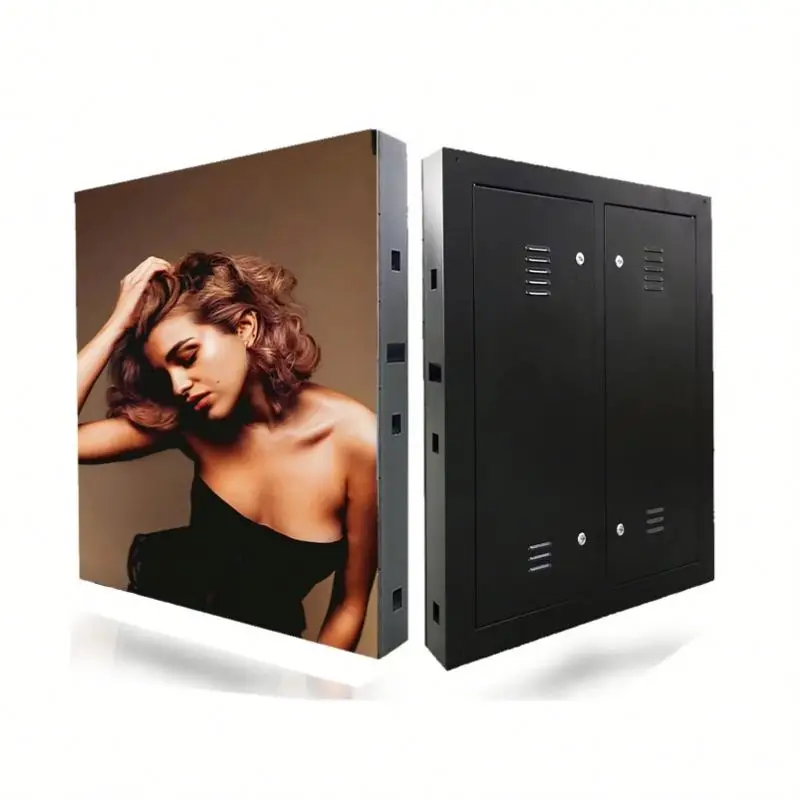
Additionally, energy-saving LED walls often incorporate modular design principles that make front-access servicing faster and less labor-intensive. Conventional LED screens, particularly older outdoor models, were frequently designed with rear-access service requirements that demand more installation space and longer downtime during repairs. Energy-saving LED walls reduce both service complexity and service frequency, further strengthening their long-term cost profile.
A common misconception is that energy-saving LED walls trade visual quality for power efficiency. In reality, modern energy-saving LED walls achieve high peak brightness levels and excellent color gamut coverage. The latest energy-saving LED walls use high-binning LED chips that produce consistent, vibrant output across the entire panel surface. For outdoor applications where sunlight readability is critical, energy-saving LED walls deliver sufficient nit levels to remain visible under direct sunlight without the power overhead of conventional LED screens running at full power continuously.
Conventional LED screens often compensate for less efficient chips by driving them at higher currents, which increases brightness in the short term but accelerates color shift and brightness decay over time. Energy-saving LED walls avoid this trade-off by relying on chip quality and drive efficiency rather than brute power input. The result is more consistent visual performance over the operational life of the display.
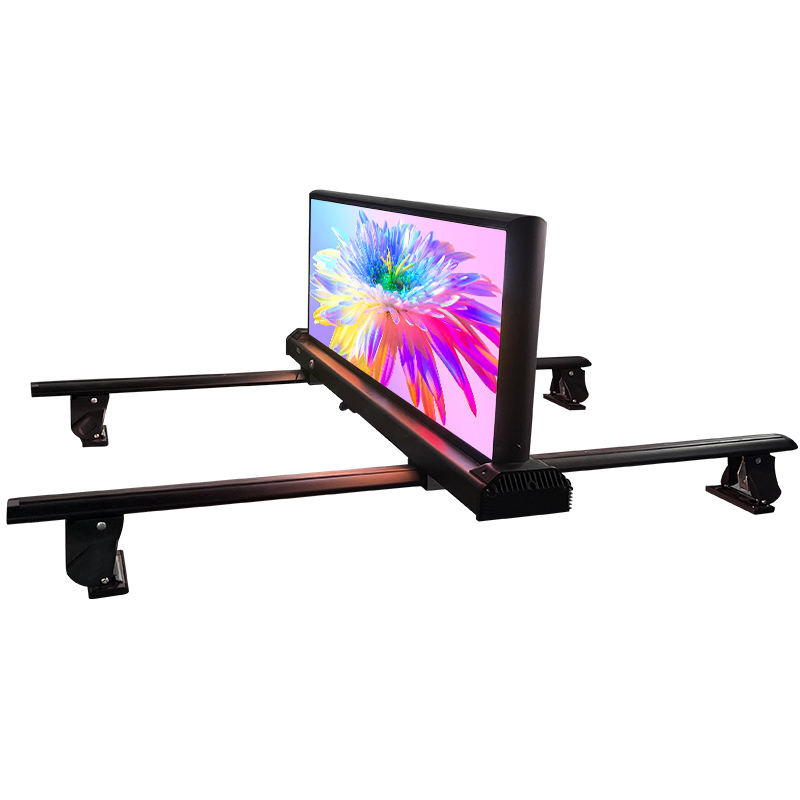
Energy-saving LED walls open deployment possibilities that are simply not practical with conventional LED screens. Because energy-saving LED walls consume less power, they are compatible with solar panel and battery storage combinations that cannot support the higher loads of conventional LED screens. This makes energy-saving LED walls the preferred choice for roadside advertising in rural areas, temporary event installations, and smart city projects with sustainability mandates. Conventional LED screens are largely confined to locations with reliable grid access and sufficient electrical infrastructure.
The versatility of energy-saving LED walls also extends to indoor environments where HVAC costs are a factor. Lower heat output from energy-saving LED walls reduces the cooling load on building systems, which contributes an indirect but real reduction in total facility energy consumption. Conventional LED screens in enclosed spaces can require additional cooling capacity, adding both capital and operating costs to the project.
Yes, energy-saving LED walls designed for outdoor use achieve brightness levels that ensure clear visibility in direct sunlight. Modern energy-saving LED walls use high-efficiency chips that deliver strong nit output without the excessive power consumption associated with conventional LED screens.
Actual savings vary by screen size and daily operating hours, but energy-saving LED walls typically reduce electricity consumption by 30 to 50 percent compared to conventional LED screens. For large outdoor displays running extended hours, this translates to meaningful annual cost reductions that contribute to faster return on investment.
Energy-saving LED walls are well-suited for solar-powered configurations because their reduced power demand is compatible with practical solar panel and battery storage setups. Conventional LED screens typically draw too much power for cost-effective solar operation, making energy-saving LED walls the logical choice for off-grid or renewable-energy display deployments.
 Hot News
2025-05-27
2025-09-25
2025-09-23
 EN
EN