EN
EN
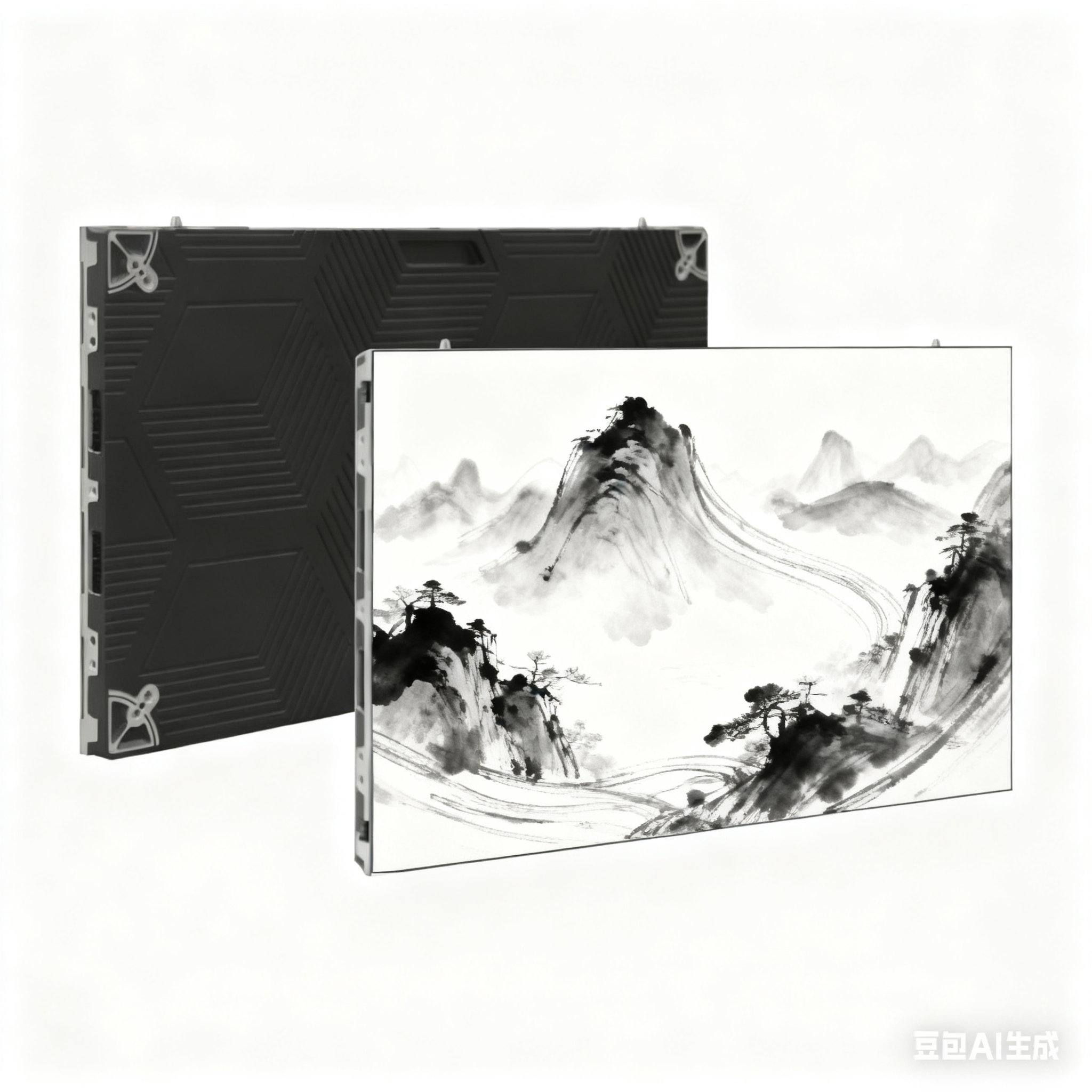
When a regional vocational training institute in Southeast Asia needed to modernize its lecture halls and hands-on lab spaces, the facility manager faced a familiar dilemma: stick with aging projectors or invest in a display solution built for the long run. After evaluating several options, the team chose a COB LED display system — and the results changed how the center delivers instruction every day.
This case study walks through the project from site assessment to final handover, drawing on installation experience from JunChen Display's deployment team. If you're responsible for AV procurement at a school, university, corporate training center, or certification facility, the lessons here translate directly to your context.
Project Background
The client operates three campuses across two countries, running technical certification programs in engineering, IT, and healthcare. Each campus has eight to twelve instructional rooms ranging from 30-seat classrooms to 120-seat lecture halls. The existing setup mixed rear-projection screens with consumer-grade LCD panels, which generated constant maintenance calls and inconsistent image quality across rooms.
The procurement team identified their core requirements:
- Sharp, readable text at distances from 1.5 meters to 18 meters depending on room size
- Consistent color rendering under the facility's mixed ambient lighting (fluorescent and natural daylight)
- Low ongoing maintenance — no lamp replacements, no filter cleaning, no scheduled calibration
- A display surface safe for use in rooms where students and trainers move close to the screen
Why a COB LED Display Made Sense for This Environment
Before the site visit, the shortlist included direct-view LCD video walls, standard SMD LED panels, and COB LED display solutions. The decision to move forward with COB came down to three factors that matter specifically to educational deployments.
Viewing Angle and Seating Geometry
A 120-seat lecture hall has students seated at sharp angles relative to the screen, not just in front of it. With a COB LED display delivering a 165° horizontal viewing angle, the image quality holds across the full seating arc. Students at the far left and right edges of the room read the same color-accurate, high-contrast content as those in the center aisle. LCD panels and older SMD LED screens typically show noticeable color shift beyond 60–80° off-axis, which becomes a teaching problem when detailed diagrams or color-coded data are on screen.
Close-Proximity Pixel Pitch
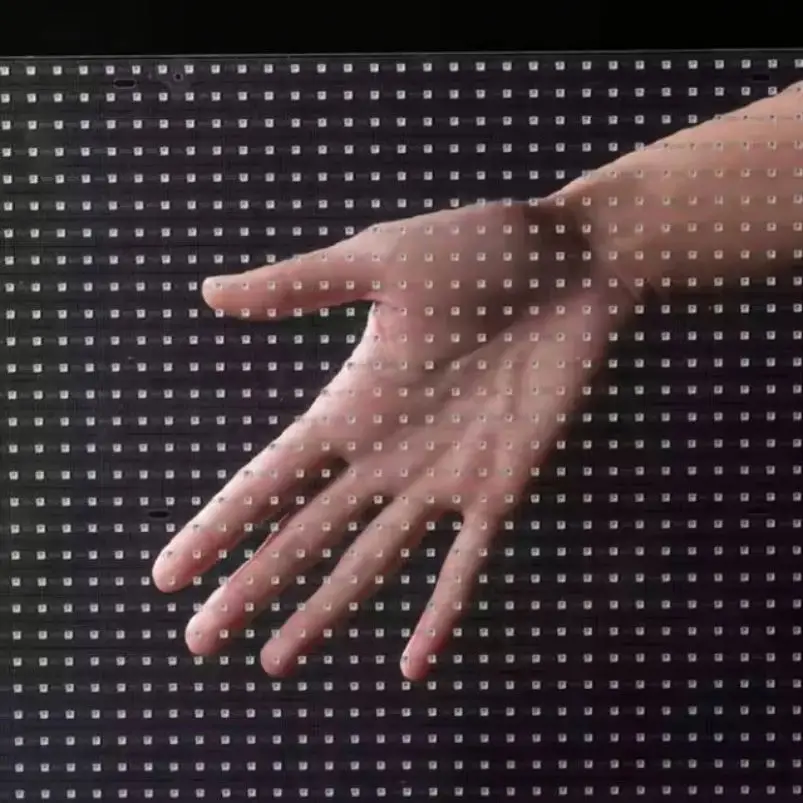
In classroom settings, particularly in lab environments where trainees stand close to demonstration screens, pixel pitch is not a theoretical spec. It determines whether a wiring diagram or software interface is legible at arm's length. The ultra-fine pixel pitch available in current COB LED display panels supports effective 4K resolution, meaning that even in a 40-seat training room where the nearest viewer is 1.2 meters from the screen, the image holds detail without the visible dot structure common in coarser LED panels.
Surface Durability in High-Traffic Spaces
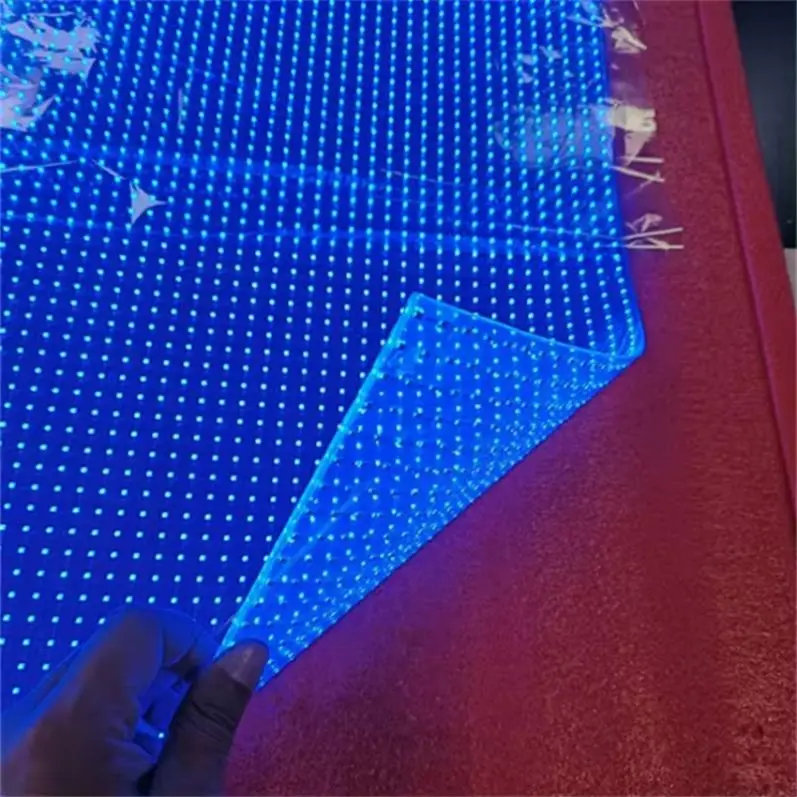
The encapsulated surface structure of a COB LED display is a practical advantage in educational environments that often gets overlooked in spec comparisons. In COB construction, the LED chips are fully embedded in an epoxy or resin layer, eliminating exposed individual diodes. During the site assessment, the installation team noticed that several existing SMD panels in the client's IT lab had physical damage from objects accidentally contacting the screen surface. With COB, that failure mode is largely removed — the flat, hardened surface handles incidental contact without the individual pixel damage common in SMD configurations.
Installation: Process and On-Site Realities
The project covered eleven rooms across two campuses in the first phase, ranging from P1.2 panels in the 30-seat labs to P1.8 configurations in the larger lecture halls. Each room required a custom cabinet layout to match the wall opening, mount height, and viewing distance.
The installation team flagged one consistent challenge across the site: ceiling-mounted fluorescent lighting positioned directly above the display area created a reflection band across the upper third of the screen at certain times of day. This is a known issue with high-gain projector screens, but it surfaced in a more subtle form with the COB LED display panels due to the slight reflectivity of the encapsulated surface. The team addressed this by adjusting the mount angle to a 3° forward tilt on all wall-mounted units and coordinating with the facilities staff to reposition two lighting fixtures in the most affected rooms.
Power infrastructure was straightforward. Each COB LED display cabinet connected to the building's standard 220V supply, and the overall draw was lower than the equivalent projector-and-screen setups being retired. The facility manager noted this would affect the building's monthly operating costs.
Client Feedback After Six Months of Operation
Six months after handover, the training institute's head of facilities shared feedback that matched what the installation team observed during commissioning:
"The maintenance workload dropped substantially. With the projectors, we had lamp replacements every semester and at least two service calls per month for image alignment issues. In the six months since we installed the COB LED display panels, we've had zero unscheduled service calls across all eleven rooms."
Instructors reported that the consistency of brightness across rooms, rather than the peak brightness number on the specification sheet, made the biggest practical difference. A COB LED display maintains consistent luminance throughout its operating life without the gradual fading associated with projector lamps or CCFL backlights. For a training center running programs from early morning to late evening, that consistency matters in practice.
Students in the IT certification program noted improved readability of code samples and interface screenshots — content that previously required zooming in or repositioning because the projector image softened at the edges.
Technical Summary
| Parameter | Specification Applied |
|---|---|
| Display technology | COB LED display (Chip-on-Board) |
| Pixel pitch (labs) | P1.2 — P1.5 |
| Pixel pitch (lecture halls) | P1.8 |
| Viewing angle | 165° horizontal |
| Surface protection | Encapsulated COB structure |
| Rooms covered | 11 (Phase 1) |
| Installation period | 14 days on-site |
Key Takeaways for Educational and Training Facilities
Based on this deployment and similar projects, here are the factors that separate successful COB LED display installations in educational settings from underperforming ones:
- Pixel pitch drives usability, not just resolution: Match pixel pitch to the minimum viewing distance in each room. For training labs where learners stand close to demonstration screens, P1.2 or finer is worth the additional cost.
- Viewing angle is a room geometry problem: A 165° viewing angle is only an advantage if the room layout and mount position are set up to use it. Allow time in the planning phase for a proper sight-line analysis.
- Ambient lighting needs a plan: The COB LED display surface handles ambient light better than projection, but installation angle and fixture placement still matter. Address this during site survey, not after commissioning.
- Total cost of ownership favors LED over projection at scale: Across eleven rooms, removing projector lamp replacement cycles and reducing service calls produced measurable operating cost savings within the first year.
JunChen Display has delivered COB LED display solutions across educational institutions, corporate training centers, and government certification facilities in Southeast Asia, the Middle East, and other regions. Contact the team at [email protected] to discuss your room specifications and project scope.
 Hot News