EN
EN
When we started evaluating display technology for critical indoor environments, the initial focus was on brightness numbers and panel size. Over time, it became clear that the real differentiator for control rooms and conference centers is not just how bright a screen is, but how consistently and reliably it performs under demanding, continuous operation. That shift in thinking is what led many AV integrators and facility managers toward COB LED display technology.
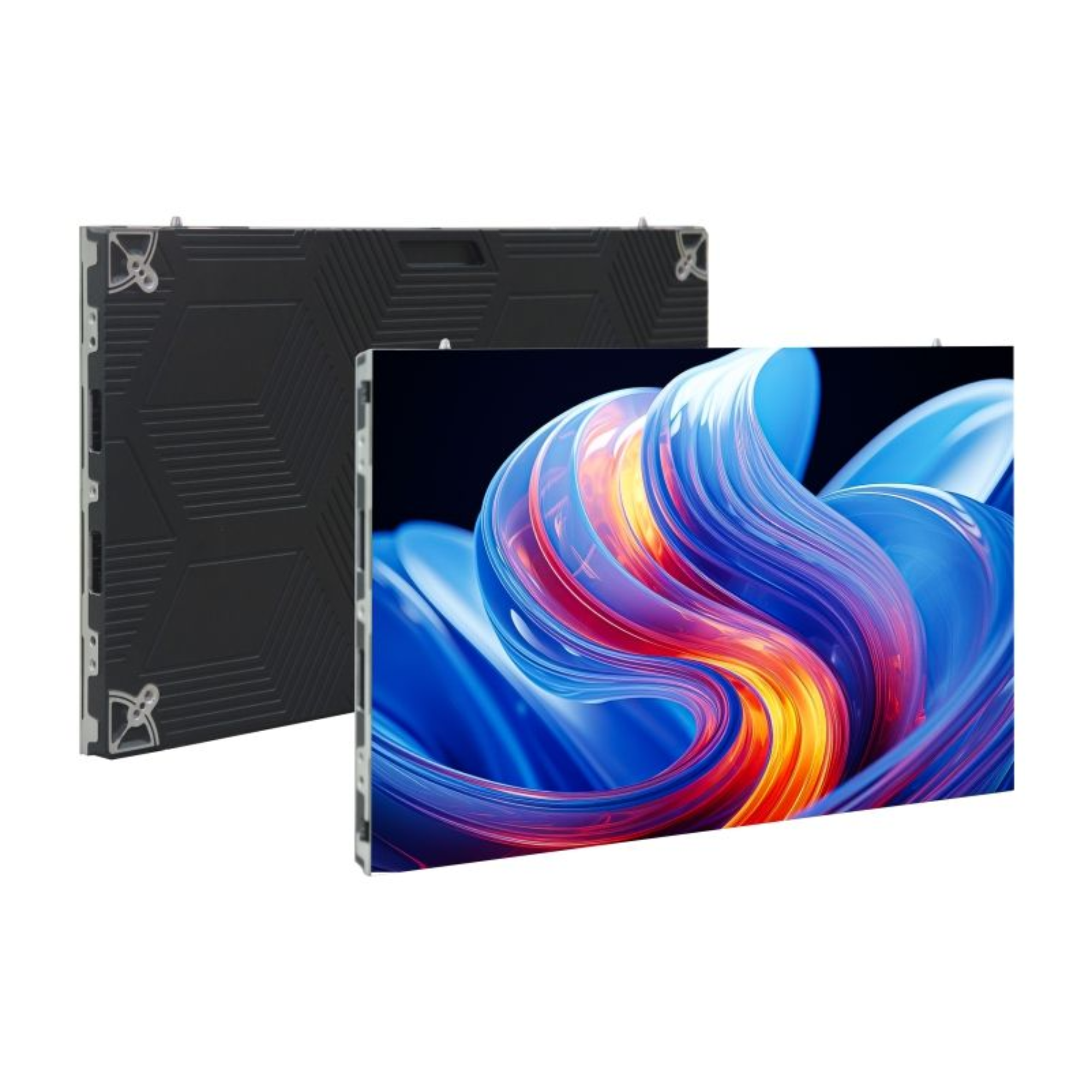
COB, or Chip-on-Board, LED displays mount semiconductor chips directly onto the PCB substrate, eliminating the individual lamp housing used in traditional SMD modules. The result is a integrated, protected display surface with high contrast, wide viewing angles, and significantly lower maintenance requirements. For environments where displays run 24 hours a day, these characteristics matter more than almost any other specification.
Here are the ten most practical applications of a COB LED display in control rooms and conference centers, based on the scenarios where this technology adds the most operational value.
1. Network Operations Centers (NOC)
NOC environments demand around-the-clock uptime and consistent image quality for monitoring dashboards, network maps, and alert systems. COB LED displays are well-suited here because they are rated for up to 100,000 hours of continuous operation and feature a low individual component failure rate. In practice, the sealed COB surface also reduces dust accumulation on the chip level, which is a common source of image degradation in traditional LED walls over extended operation.
2. Security and Surveillance Control Rooms
Surveillance centers require screens capable of displaying multiple camera feeds simultaneously with enough resolution to distinguish fine detail. COB LED displays support ultra-fine pixel pitches starting from P0.9 mm, enabling sharp imagery at close to medium viewing distances. The wide viewing angle — typically 170° horizontal — means operators positioned at different workstations all see consistent, color-accurate images without needing to reposition screens.
3. Traffic Management Centers
Traffic operations centers monitor large-scale map displays, signal timing data, and incident feeds across wide walls. The tightly joined tiles of COB LED panels eliminate the visible grid lines that appear on older display walls, allowing map overlays and geographic data to render without visual interruption. The displays can also be configured in custom dimensions to fill non-standard wall layouts commonly found in retrofitted operations facilities.
4. Military and Defense Command Centers
Reliability and low failure rates are non-negotiable in defense operations. COB LED displays meet this requirement with chip-level encapsulation that provides resistance to vibration, humidity, and temperature fluctuation. If your facility operates under controlled environmental conditions with redundant power, COB technology typically meets or exceeds the durability thresholds required for long-duration mission support.
5. Corporate Boardrooms
Executive meeting rooms have different priorities than operations centers: ambient light handling, visual impact, and integration with video conferencing systems. COB LED displays with a brightness of around 600 nits and a contrast ratio of 10,000:1 deliver clear visuals even in brightly lit boardrooms with large windows. The anti-glare surface treatment common to COB panels also reduces reflective hotspots that frequently affect glossy panels under recessed lighting.
6. Training and Simulation Rooms
Simulation environments need high refresh rates to render motion without blur or flicker, especially when displaying fast-moving training scenarios or video. COB LED displays capable of 3,840 Hz refresh rates provide a visually stable experience that reduces eye strain during extended training sessions. For facilities running multi-hour instructional programs, this is a practical advantage over lower-refresh alternatives.
7. Broadcast Studios and Production Sets
Virtual production stages and broadcast backdrops require LED displays that photograph and record cleanly under camera. High refresh rates prevent rolling shutter banding, and fine pixel pitch ensures the displayed background remains in focus at reasonable camera-to-screen distances. COB technology is increasingly used in this environment because of its moiré-free uniform surface and consistent color reproduction across the full panel surface area.
8. Executive Conference Suites
High-end conference suites often require displays that blend into the room design rather than dominating it visually. COB LED panels with front-maintenance access allow the display to be installed flush against walls or within architectural features, minimizing visible cable runs and service access panels on the finished face. For premium corporate environments, this installation flexibility is a significant practical benefit over rear-access displays that require clearance space behind the wall.
9. Multi-Purpose Meeting Rooms
Multi-use spaces host presentations, video calls, collaborative workshops, and digital signage in rotation. COB LED displays support a broad input range and can adapt between ambient brightness levels through automatic adjustment. In rooms that alternate between dark presentation setups and well-lit collaborative sessions, a COB display with a wide brightness range and high dynamic contrast handles both scenarios without requiring manual recalibration. For organizations deploying displays across multiple meeting rooms, the consistent performance profile also reduces the variation between rooms that often complicates user experience.
10. Smart Building Management and Emergency Response Centers
Building management centers integrate data from fire suppression, HVAC, access control, and emergency communication systems onto a unified display wall. Low-power standby modes and compatibility with building automation systems allow COB LED displays to be managed as part of the broader facility energy strategy. During emergency response situations, the high-visibility, reliable display surface ensures operational staff maintain visual clarity across all monitoring data simultaneously.
Choosing the Right COB LED Display for Your Application
Not all COB LED displays perform equally across these scenarios. The key specifications to evaluate are pixel pitch relative to your viewing distance, refresh rate if the environment involves video or fast-motion content, brightness for the ambient light conditions of the room, and the maintenance access model based on your installation constraints.
For conference rooms with viewing distances of 1 to 3 meters, a P1.5 COB module is generally a practical starting point. For control rooms where operators are positioned further back with larger wall areas, pitches between P1.8 and P2.5 may provide adequate resolution at reduced cost. In practice, it is worth confirming these parameters with a qualified supplier before finalizing specifications, since room geometry, intended content type, and refresh rate requirements will influence the final configuration.
JunChen Display offers a COB LED display product line covering ultra-fine pixel pitch specifications designed for high-end commercial and professional display environments. With over 2,000 clients served across commercial and industrial sectors globally, the company's display solutions support both standard and custom configurations for control room and conference center deployments. For more information on specifications and project support, visit www.ecoleddisplay.com.

 Hot News