EN
EN

From an energy evaluation standpoint, the metric that matters most for outdoor media operators is not luminance spec or pixel pitch — it is the monthly electricity bill. I have assessed dozens of outdoor led display deployments across different markets, and the pattern is consistent: operators who switched from conventional high-power screens to energy-saving led display units reduced their electricity spend by a meaningful margin — not just the first year, but over the full operational life of the asset.
This case study breaks down how that transition works, what the numbers typically look like, and what outdoor media operators should evaluate before committing to an upgrade.
The Real Cost of Running an Outdoor LED Display
When most buyers first inquire about an outdoor led display, the conversation starts with unit price. That is understandable — hardware cost is visible and easy to compare. But for operators running advertising networks, the more important number is total cost of ownership, and electricity is usually the largest variable within it.
A typical outdoor led display screen runs 12 to 18 hours per day, often at high brightness to remain visible against direct sunlight. At that usage intensity, electricity consumption can account for 30% to 50% of ongoing operational cost over a 5-year period, depending on local electricity rates and screen specifications. Operators who underestimated this variable at the procurement stage often find themselves managing higher-than-expected costs with no easy path to correction — the screens are already installed.
This is not an unusual situation. One of the most consistent patterns in outdoor advertising equipment procurement is that buyers focus on the upfront price, only to discover a year into operations that electricity costs are significantly higher than projected. Switching to energy-efficient equipment at that point means absorbing both the sunk cost of the original purchase and the new capital outlay — a difficult business case to justify.
The smarter approach is to run the energy calculation before the purchase decision.
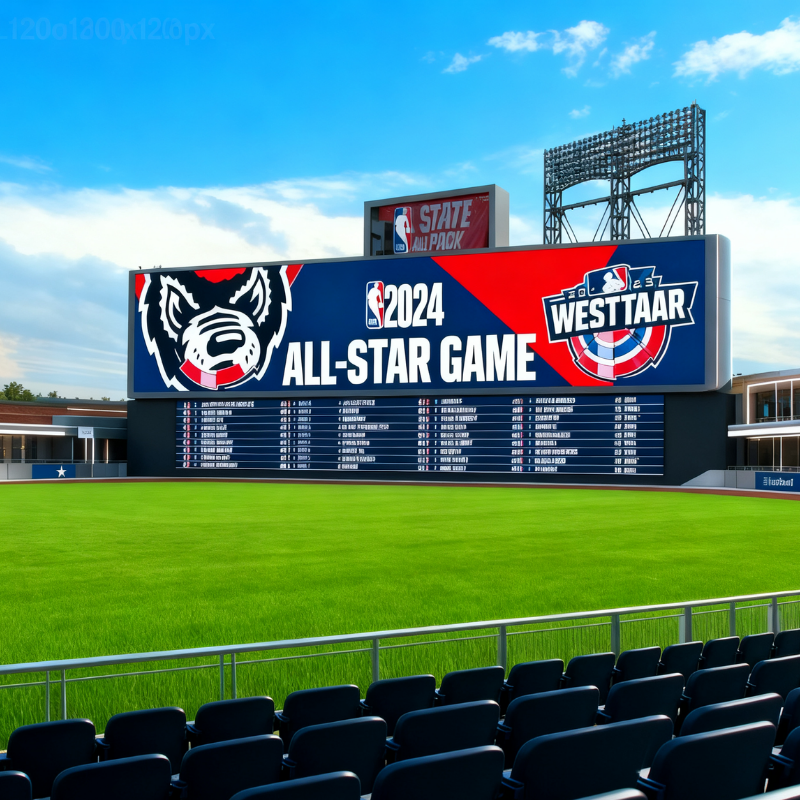
How Energy-Saving LED Display Technology Reduces Power Draw
Modern energy-saving led display technology addresses power consumption through several mechanisms working together. The most significant is driver chip efficiency: newer driver ICs convert input power to light output more effectively, reducing thermal waste. Combined with automatic brightness control — which adjusts screen intensity based on ambient light conditions rather than running at fixed maximum output — a well-configured energy-saving led display can maintain visibility while operating at substantially lower average power draw.
In practical terms, direct-view outdoor led display units built around energy-efficient design principles can reduce electricity consumption significantly compared to older-generation or budget-tier screens of equivalent size. Industry-level comparisons suggest the range of improvement is broad — from modest reductions in older upgrades to savings of up to 30% or more against standard outdoor screens when the efficiency gap is large. The actual figure depends on the original screen's baseline efficiency, local climate conditions, and how aggressively the brightness scheduling is configured.
Worth flagging: efficiency data published in product specifications is measured under standard test conditions. In practice, factors like high ambient temperatures — which increase cooling load — and extended daily runtime in markets with high advertising demand will affect actual consumption. The test-condition numbers give you a directional comparison, but they should not be treated as definitive field results.
Breaking Down the Operational Cost Shift
To illustrate how the cost profile changes, consider a concrete example: an outdoor media operator managing a network of led display billboards running 16 hours per day. Under a conventional high-power screen setup, the electricity cost for that network over five years represents a substantial budget line — one that compounds with rising electricity tariffs in many markets.
After upgrading to energy-saving led display units from a supplier like JunChen Display, which focuses specifically on low-power LED display technology for outdoor applications, the same network can operate at lower average wattage. The electricity savings over the same five-year horizon partially or fully offset the incremental cost of the more efficient hardware. In markets with higher electricity tariffs — common in parts of Europe, the Middle East, and island markets in Southeast Asia — the payback period is shorter.
Reduced heat generation from energy-saving led display designs also tends to extend component lifespan. Excessive heat is one of the primary causes of LED degradation and driver failure in outdoor deployments. Lower operating temperatures mean fewer maintenance interventions and longer intervals before module replacement becomes necessary — an additional cost reduction that is separate from the electricity savings but compounds the overall return.
How to Calculate the Payback Period for Your Deployment
Estimating the return on switching to an energy-saving led display requires four inputs:
- Baseline power consumption of the current or equivalent conventional screen (watts per square meter)
- Target power consumption of the energy-saving led display being evaluated (watts per square meter)
- Daily runtime (hours per day, which may vary by season or contract)
- Local electricity tariff (per kWh, including any peak-rate premiums)
Multiply the wattage difference by daily hours, convert to kWh, apply the tariff, and project over 12 months to get the annual savings figure. Divide the incremental hardware cost by annual savings to get the payback period in years. For most outdoor media operators in markets with tariffs above $0.12 per kWh, a well-specified energy-saving led display upgrade delivers payback within two to four years and generates net positive return for the remainder of the screen's operational life.
In markets where electricity costs are lower, the financial case is less urgent, but the energy reduction still carries value for sustainability commitments and regulatory compliance — both increasingly relevant for outdoor advertising networks operating in urban areas with emissions or energy standards attached to billboard permits.
What to Evaluate When Selecting an Energy-Saving LED Display
Not every product labelled as an energy-saving led display delivers equivalent results. Several specifications matter for a meaningful evaluation:
- Maximum power consumption per square meter: The headline spec used for peak load planning. Lower is better, but verify it matches your intended brightness configuration.
- Average power consumption at typical operating brightness: This is the number that determines your electricity bill. It is often 40–60% of maximum rated power for a well-configured energy-saving led display.
- Brightness scheduling capability: Can the screen automatically reduce brightness during lower-ambient-light periods or at night? This feature has a direct impact on real-world average consumption.
- Thermal design: Passive or hybrid cooling designs generate less heat and draw no additional power for fans, contributing to both energy savings and component longevity.
- Certifications for target markets: CE, FCC, and RoHS are standard requirements for European and American markets. Confirming certification coverage avoids import delays and compliance issues.
JunChen Display, operating under the brand EcoLED and based in Guangzhou, serves outdoor media operators across Europe, the Middle East, Southeast Asia, and Africa with a product range focused on energy-saving led display technology. With over 2,000 customers served globally, the company's experience spans deployments in both mature advertising markets and infrastructure-constrained environments where power cost reduction is especially high priority.
Conclusion: The Decision Is a Cost Calculation, Not Just a Product Choice
For outdoor media operators, the question of whether to invest in an energy-saving led display comes down to a cost calculation. The upfront premium — if any — should be evaluated against the multi-year electricity savings and the maintenance cost differential from reduced thermal stress on components.
In most active outdoor advertising markets, the arithmetic favors the energy-efficient choice when evaluated over a realistic operational horizon. The operators who benefit most are those who run that calculation before the purchase, not after the screens are already on the structure.
If you are evaluating an energy-saving led display for your outdoor network and want to assess the energy and cost profile for your specific market conditions, reach out to the JunChen Display team at ecoleddisplay.com or contact Jun Chen at [email protected].

 Hot News