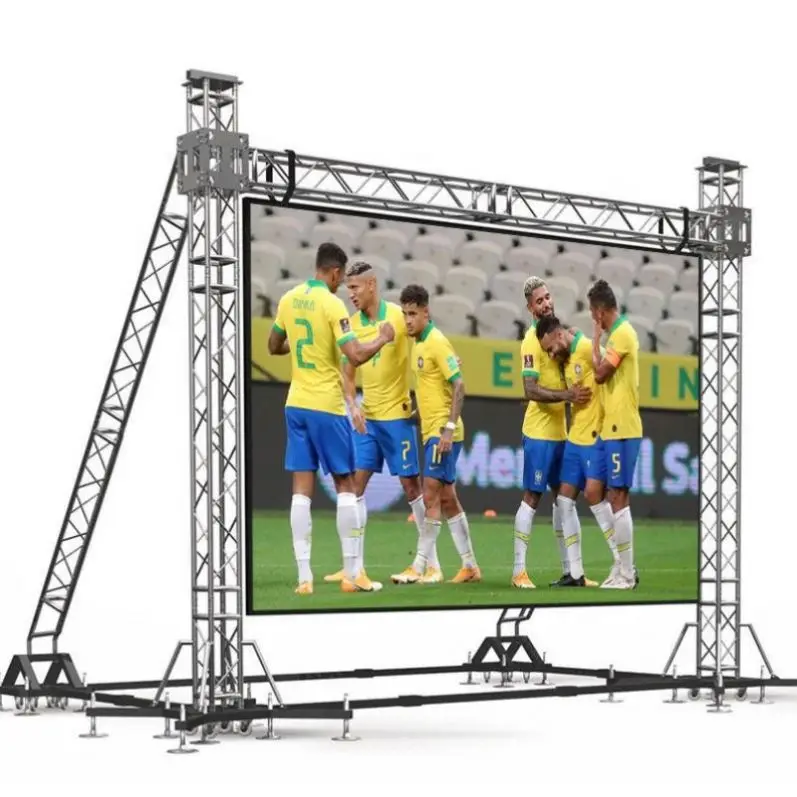
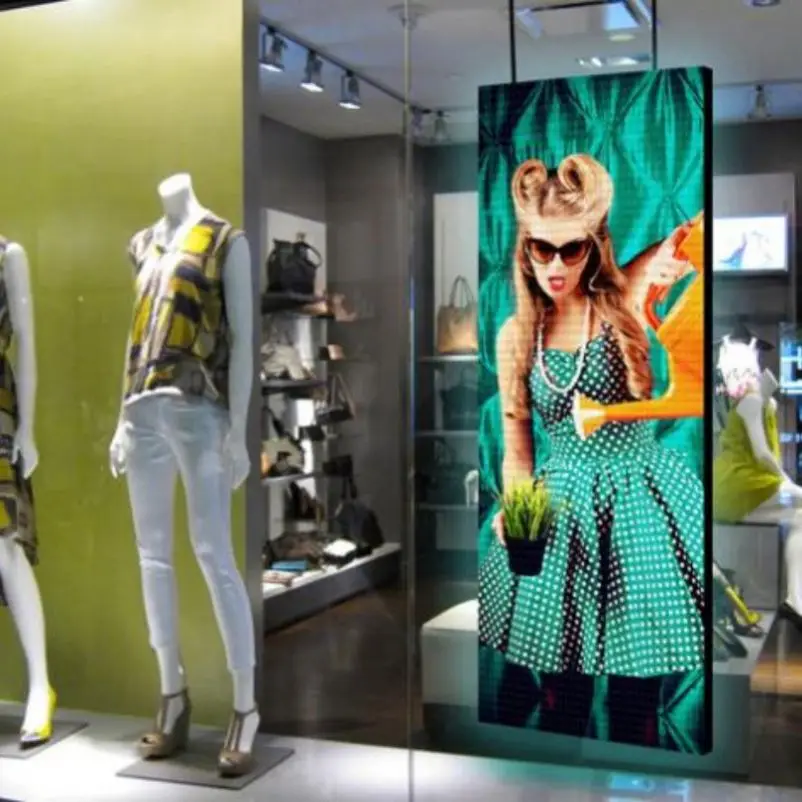
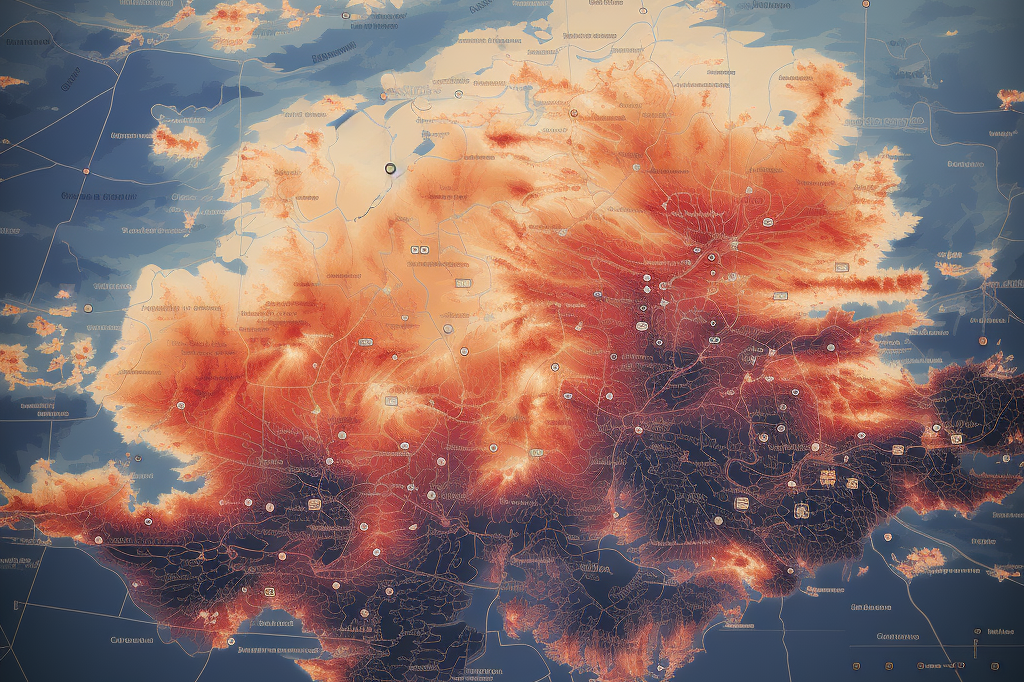
Highway safety depends on clear, reliable communication with drivers and the public. Custom solar LED display systems have become essential infrastructure for modern transportation corridors, emergency alerts, and public information dissemination. These innovative LED display solutions operate independently from grid power, delivering consistent visibility in remote locations where traditional signage would be impractical or cost-prohibitive. A solar-powered LED display offers municipalities, transportation agencies, and safety organizations a sustainable way to share critical messages with maximum impact.
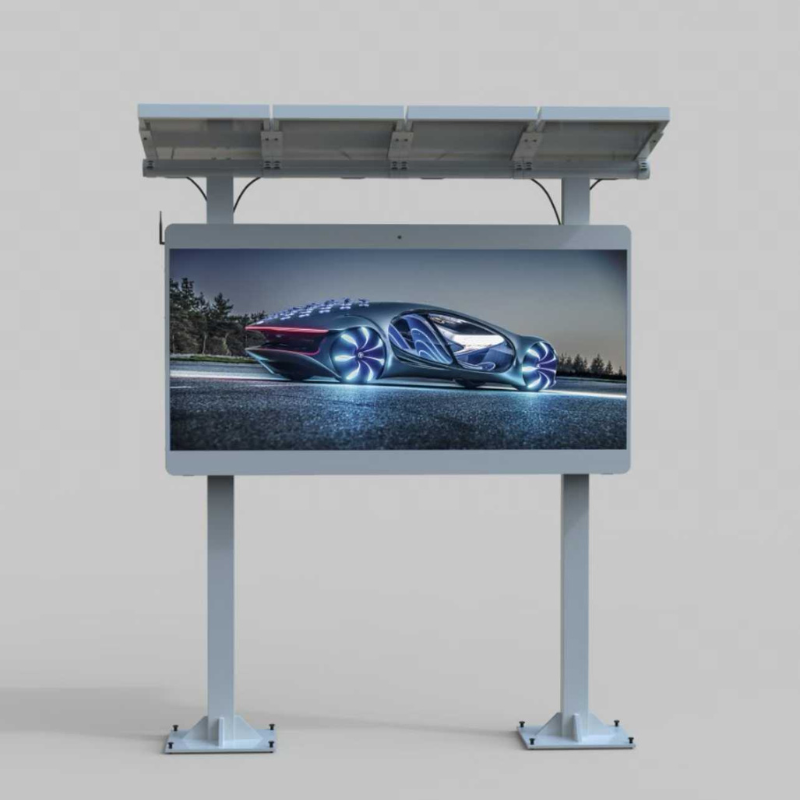
The integration of solar energy with LED display technology represents a significant advancement in highway infrastructure. By eliminating dependency on external power sources, a custom LED display becomes a flexible, long-term investment that reduces operational costs while maintaining bright, legible output in daylight and nighttime conditions. Transportation professionals increasingly rely on LED display installations to manage traffic flow, broadcast weather alerts, announce construction zones, and communicate emergency information with precision and reliability.
Solar-powered LED display units provide complete operational independence from grid infrastructure. An LED display powered by integrated solar panels generates its own electricity, storing energy in onboard battery systems for continuous operation through day and night cycles. This autonomous capability means highway agencies can deploy a LED display in remote stretches where installing traditional electrical infrastructure would require significant capital expenditure and ongoing maintenance complexity. The sustainability angle also aligns with government environmental mandates, making solar LED display adoption an attractive option for public-sector procurement.
While the upfront investment in a solar LED display exceeds conventional static signage, the long-term financial picture strongly favors this technology. Operating costs for a LED display powered by solar energy remain minimal because fuel and electricity expenses are virtually eliminated. Maintenance intervals for solar LED display equipment are predictable, allowing transportation departments to budget more accurately. A custom LED display installation typically achieves payback within three to five years, after which the cost-per-message becomes negligible compared to traditional methods.
Modern LED display technology delivers brightness levels that meet or exceed highway visibility standards in all lighting conditions. A high-quality LED display uses dynamic brightness adjustment to maintain legibility during daylight hours while conserving battery energy during darkness. The LED display pixel resolution options range from coarse displays suitable for distance visibility to fine-resolution units capable of displaying detailed graphics and text. Custom LED display configurations allow agencies to select brightness levels and pixel density tailored to specific highway environments, traffic speeds, and viewing distances.
A modern LED display system integrates remote content management capabilities, enabling traffic managers to update messages from centralized control facilities. The LED display communication protocols support wireless transmission, allowing real-time modifications without requiring physical access to each unit. Custom LED display software platforms provide scheduling functions, automatic weather-triggered alerts, and integration with traffic monitoring systems. This technological flexibility means an LED display can transition instantly from routine information delivery to emergency broadcast when conditions demand immediate public notification.
Transportation agencies deploy solar LED display installations to communicate dynamic speed advisories, lane closures, and detour information. An LED display positioned upstream of construction zones or accident sites prepares drivers for upcoming road conditions, reducing sudden braking and improving traffic flow. Custom LED display messaging can automatically adjust based on real-time traffic data, congestion patterns, and incident reports. The LED display visibility advantage over traditional signage becomes particularly valuable during adverse weather when static signs may be obscured or difficult to read at highway speeds.
During natural disasters, public health emergencies, or security threats, a solar LED display serves as a critical communication channel with vehicle operators. Emergency management agencies can activate pre-programmed LED display messages within seconds, ensuring widespread public notification without relying on cellular networks or broadcast media. A custom LED display installation positioned at strategic highway locations creates a distributed emergency communication network. The LED display independence from power infrastructure means messages continue reaching the public even when conventional communication systems experience outages.
Tourist regions and multi-route highway corridors use solar LED display systems to guide travelers and communicate service information. An LED display at highway exits communicates parking availability, facility locations, and service center distances. Custom LED display configurations support multi-language messaging, accommodating diverse regional populations. The LED display visual prominence ensures travelers receive information at decision-critical moments, improving visitor experience and route optimization.
Highway environments expose LED display equipment to extreme temperature fluctuations, high-velocity winds, precipitation, and solar radiation. Professional solar LED display installations incorporate weatherproofing materials rated for extended outdoor exposure. The LED display enclosure design prevents water infiltration while allowing thermal ventilation to prevent internal condensation. Custom LED display specifications typically include IP65 or higher ratings, ensuring the LED display functions reliably through freezing rain, dust storms, and intense sunlight. Corrosion-resistant materials used throughout the LED display structure extend operational lifespan in saltwater or industrial pollution zones.
Effective solar LED display performance requires careful matching of solar panel area to battery storage capacity and LED display power consumption. Transportation engineers specify solar LED display systems with oversized solar arrays to maintain adequate charging during cloudy periods and shorter daylight hours typical of winter months. The LED display battery system typically incorporates lithium iron phosphate technology, providing superior cycle life and temperature tolerance compared to older battery chemistries. Custom LED display configurations adjust solar panel tilt angles and battery capacity based on geographic latitude, local weather patterns, and intended messaging intensity.
Installing a solar LED display involves site preparation, structural foundation work, and electrical integration with control systems. Professional LED display installation teams conduct pre-deployment testing to verify brightness calibration, content transmission accuracy, and battery charging cycles. The LED display mounting structure must withstand design wind loads typically exceeding ninety miles per hour. Custom LED display installations include orientation verification to optimize solar exposure and ensure content visibility from intended viewing angles. Comprehensive documentation and staff training ensure transportation agencies can operate and troubleshoot the LED display system independently after deployment.
A well-designed solar LED display system requires minimal intervention between annual service cycles. LED display maintenance includes cleaning accumulated dust from solar panels and LED display lens elements, checking battery voltage and charging parameters, and verifying content transmission systems. Predictive monitoring systems track LED display performance metrics and alert maintenance staff to potential issues before system failures occur. The LED display diagnostic capabilities allow remote technicians to identify problems and schedule corrective maintenance efficiently. Most custom LED display installations achieve ninety-five percent uptime or higher when supported by appropriate maintenance protocols.
A well-maintained solar LED display typically operates reliably for ten to fifteen years. The LED display light-emitting diodes themselves maintain acceptable brightness levels for fifteen to twenty years, though some brightness degradation occurs gradually. Solar panels in a LED display system typically warrant performance for twenty-five years or longer. The LED display battery components may require replacement after five to seven years of continuous cycling. Proper maintenance and regular cleaning of the LED display solar panels and lens elements significantly extend system lifespan and cost-effectiveness.
Yes, a solar LED display can function effectively in regions with limited sunlight by implementing oversized solar arrays and larger battery capacity. The LED display system stores energy during available sunlight hours and operates through extended darkness periods using battery reserves. In extremely cloudy regions, a led display may require supplemental power or adjusted messaging intensity. Transportation engineers calculate LED display solar panel sizing based on historical weather data and minimum sunlight availability for specific geographic locations. Many successful LED display deployments operate in northern climates and regions with significant winter cloud cover, demonstrating system viability across diverse environmental conditions.
Most modern LED display systems include centralized control software allowing remote content management from traffic operations centers. The LED display communication occurs through cellular networks, radio frequency links, or fiber optic connections depending on infrastructure availability. Custom LED display platforms support scheduling functions enabling predetermined messaging changes during specific time windows or in response to triggered conditions. Transportation staff can program the LED display with multiple message templates, automatically rotating content or activating emergency broadcasts when integrated traffic monitoring systems detect specific conditions. Some advanced LED display systems incorporate artificial intelligence to automatically select appropriate messaging based on traffic flow, weather, and time of day.
 Hot News
2025-05-27
2025-09-25
2025-09-23
 EN
EN