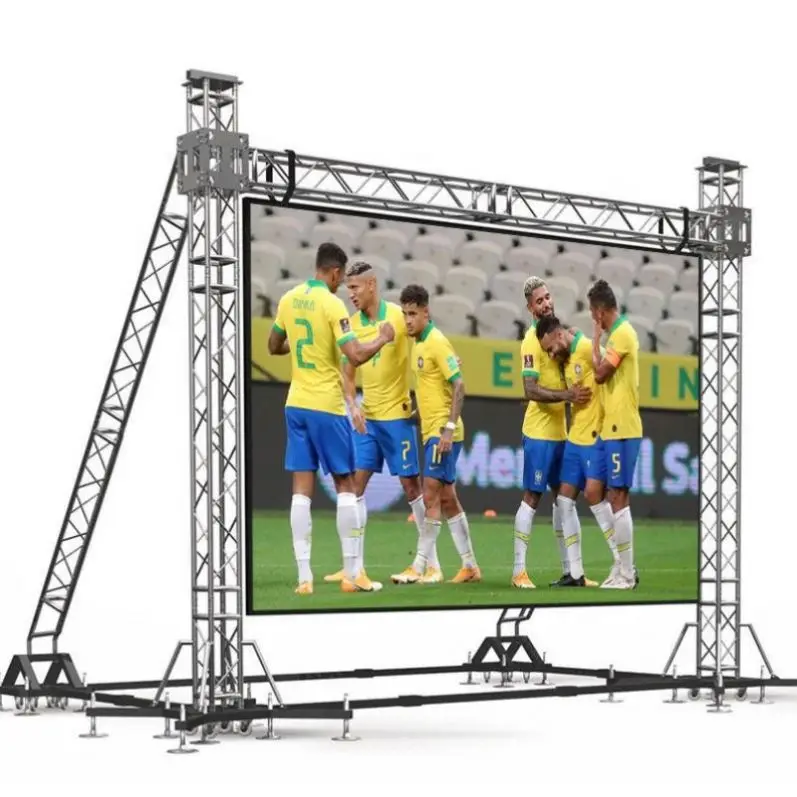
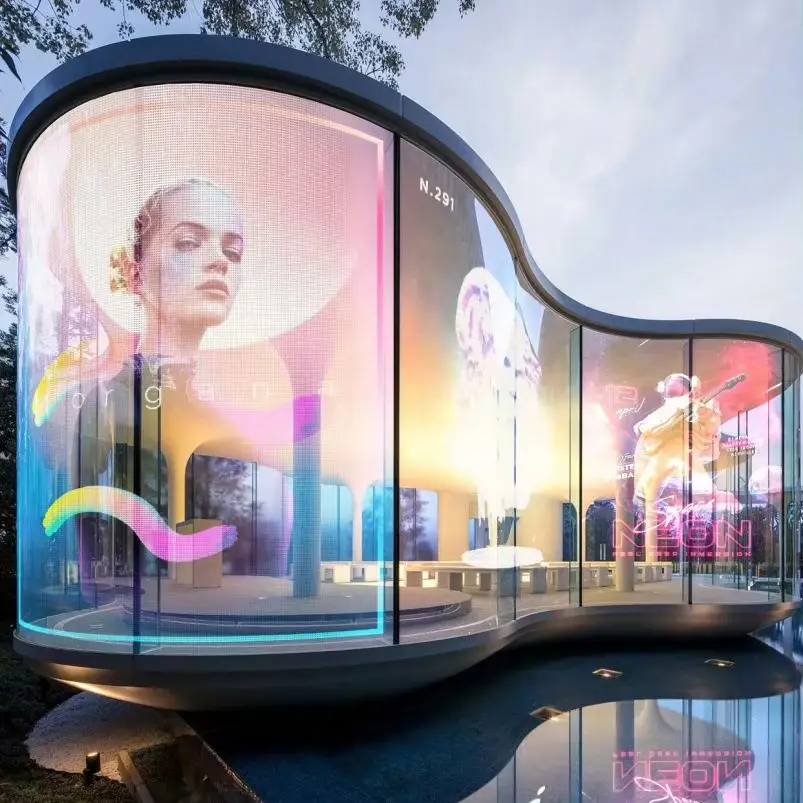
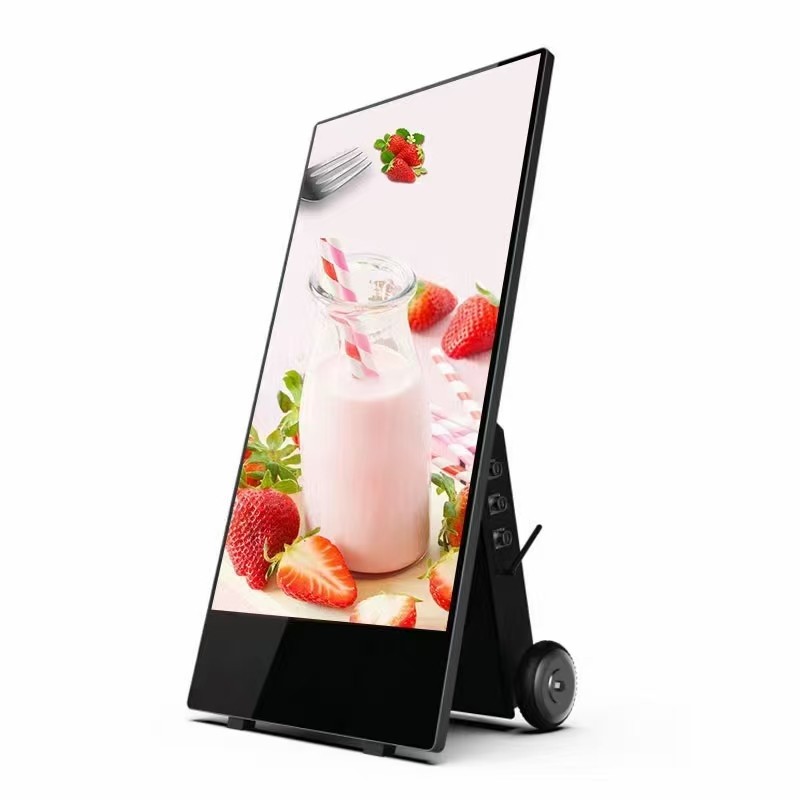
Rural and remote projects often face significant challenges when it comes to reliable power supply and visibility infrastructure. Building an off-grid solar LED display system represents a practical solution that combines renewable energy with modern visual communication technology. These integrated systems eliminate dependency on grid electricity, reduce operational costs, and provide sustainable visibility in areas where traditional infrastructure is unavailable or prohibitively expensive. Understanding how to properly design and deploy an off-grid solar LED display installation ensures your rural project maintains consistent operation while maximizing energy efficiency.
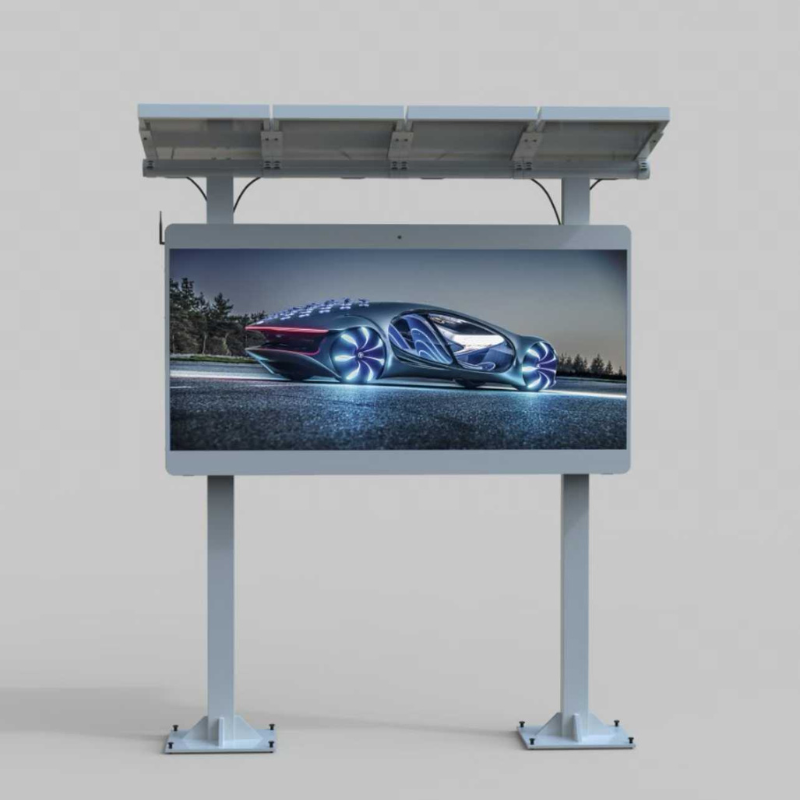
The integration of solar power with LED display technology creates a self-sustaining communication platform ideal for remote agricultural operations, rural information centers, disaster relief sites, and community projects. An off-grid solar LED display system requires careful planning across multiple components, including photovoltaic panels, energy storage solutions, display modules, and control electronics. The success of such installations depends on accurate sizing, proper component selection, strategic positioning, and ongoing maintenance protocols. This comprehensive guide walks through each stage of building a functional and reliable off-grid solar LED display system tailored to rural environments.
Every LED display operates with specific power demands that fluctuate based on brightness levels, operating hours, and display content. Calculating accurate power consumption forms the foundation of any off-grid solar LED display project. Most LED display modules consume between 300 to 800 watts per square meter at full brightness, though this varies with technology type, pixel pitch, and refresh rate. Rural installations often run extended hours during daylight visibility periods and may operate at reduced brightness during evening hours, which significantly impacts your battery storage requirements. An off-grid solar LED display system must account for seasonal variations in solar production and extended cloudy periods when planning battery capacity.
Once you determine your LED display power consumption, calculate the total daily energy requirement and multiply by a safety factor of 1.5 to account for efficiency losses. Solar panel capacity should exceed average daily consumption by 40 to 60 percent to ensure reliable charging even during suboptimal weather conditions. Battery storage capacity must cover at least 3 to 5 days of autonomous operation without solar input, particularly in regions experiencing seasonal weather variations. For a typical off-grid solar LED display installation consuming 2,000 watt-hours daily, you would need approximately 3,000 to 4,000 watts of solar panel capacity and 10,000 to 15,000 watt-hours of battery storage. This conservative sizing approach ensures your LED display maintains reliable operation through seasonal fluctuations and unexpected weather events.
Selecting appropriate LED display modules for off-grid installations requires balancing visibility requirements with power consumption constraints. Outdoor-rated LED display units designed for direct sunlight exposure provide superior brightness and readability in rural environments compared to indoor-grade alternatives. An off-grid solar LED display system benefits from selecting modules with adjustable brightness levels, enabling you to reduce power consumption during peak solar hours and maintain adequate visibility during early morning and evening periods. Look for LED display models featuring efficient switching power supplies, premium phosphor materials, and thermal management systems that minimize wasted energy as heat. Rural installations should prioritize weatherproof connectors, corrosion-resistant enclosures, and modular designs that simplify maintenance and component replacement in remote locations.
Solar panel positioning critically affects the energy generation capacity of your off-grid solar LED display system. Mount panels at an angle matching your geographic latitude plus 15 degrees to maximize year-round solar collection, adjusting this angle seasonally if your budget allows for mechanical tracking systems. Ensure panels receive unobstructed sunlight throughout the day, avoiding shadows from trees, buildings, or terrain features that reduce output during critical hours. Install solar panels on sturdy aluminum or galvanized steel mounting structures capable of withstanding local wind speeds and environmental conditions common to your rural region. An off-grid solar LED display system should include mounting hardware designed for expansion, allowing you to add additional panels if power demands increase or seasonal solar generation proves inadequate for your specific location.
Battery selection fundamentally influences the reliability and longevity of your off-grid solar LED display installation. Lithium iron phosphate batteries offer superior cycle life, faster charging speeds, and better performance in temperature extremes compared to traditional lead-acid alternatives, making them ideal for professional off-grid solar LED display deployments. If budget constraints favor lead-acid technology, select premium deep-cycle batteries rated for 500 to 1,000 complete charge cycles rather than automotive batteries designed for engine starting. Battery capacity should be sized conservatively, aiming for battery depth of discharge below 80 percent to extend service life and maintain reliable performance. An off-grid solar LED display system benefits from modular battery configurations allowing staged capacity expansion as project requirements evolve or performance data demonstrates specific energy needs.
Charge controllers regulate power flow from solar panels to batteries, preventing overcharging and protecting battery longevity in your off-grid solar LED display system. Modern maximum power point tracking controllers optimize solar energy collection across varying light conditions and temperature ranges, delivering 20 to 30 percent more energy compared to basic PWM controllers. Install a monitoring system displaying real-time battery voltage, charging current, and energy generation metrics, enabling operators to identify performance issues before LED display operation becomes compromised. Remote monitoring capabilities prove essential for rural installations, allowing technicians to assess system status without traveling to remote sites for routine inspections. An off-grid solar LED display system should incorporate automated shutdown protocols protecting batteries during extended periods of inadequate solar generation, gracefully reducing display brightness rather than abruptly powering down.
Strategic positioning of your off-grid solar LED display installation maximizes visibility while protecting components from environmental stressors common to rural areas. Mount the LED display at heights between 3 and 5 meters above ground level to minimize dust accumulation, reduce vandalism risk, and enhance viewing angles for distributed audiences. Install solar panels on separate mounts rather than directly above the LED display to prevent heat accumulation and maintain adequate airflow for thermal management. An off-grid solar LED display system should include wind-resistant mounting structures, lightning protection systems, and drainage provisions preventing water accumulation around electrical components. Rural installations benefit from secure foundation systems designed for local soil conditions and frost depth requirements that vary across geographic regions.
Regular maintenance ensures your off-grid solar LED display system maintains peak performance throughout its operational lifespan. Establish quarterly inspection schedules reviewing battery voltage, solar panel cleanliness, connector integrity, and structural stability of mounting hardware. Clean solar panels monthly in dusty environments or after significant weather events, as accumulated dirt reduces energy generation by 15 to 25 percent in severe cases affecting off-grid solar LED display output. Monitor battery temperature trends and implement cooling systems if temperatures consistently exceed 50 degrees Celsius, as excessive heat degrades battery chemistry and reduces cycle life. An off-grid solar LED display system optimizes long-term performance when operators establish documented maintenance logs tracking energy generation, battery charge cycles, and component replacement dates for predictive maintenance planning.
Solar panel quantity depends on your LED display power consumption, geographic location, and desired autonomy period. Calculate total daily watt-hours required, then divide by average daily solar production for your region, multiplying by 1.5 to 1.8 for safety margins. For a 2,000 watt-hour daily consumption in moderate sunlight regions, expect to install 3,000 to 4,000 watts of solar panel capacity. Geographic latitude, seasonal variations, and local weather patterns all influence final panel quantities required for reliable off-grid solar LED display operation throughout the year.
Battery capacity must cover your LED display power consumption during periods when solar generation cannot fully support operation. For most rural applications, design battery storage supporting 3 to 5 days of autonomous operation without solar input, ensuring continuous LED display visibility through extended cloudy periods. A 2,000 watt-hour daily consumption requires 6,000 to 10,000 watt-hours of usable battery capacity when accounting for depth-of-discharge limitations preserving battery longevity. Your specific location's seasonal weather patterns and local cloud cover frequency should guide final battery capacity selections for off-grid solar LED display installations.
Yes, modular design principles enable staged expansion of your off-grid solar LED display system as requirements evolve. Add additional solar panels to charging systems by connecting them to existing charge controllers, expanding total capacity without replacing core infrastructure. Battery storage expands through parallel connections of compatible battery modules, increasing total watt-hour capacity while maintaining voltage compatibility. LED display modules connect in series or parallel configurations, allowing content expansion and visibility improvements across larger viewing areas. Plan your initial installation with future expansion space, adequate electrical conduit sizing, and mounting structures capable of supporting additional components for flexible long-term growth of your off-grid solar LED display system.
 Hot News
2025-05-27
2025-09-25
2025-09-23
 EN
EN