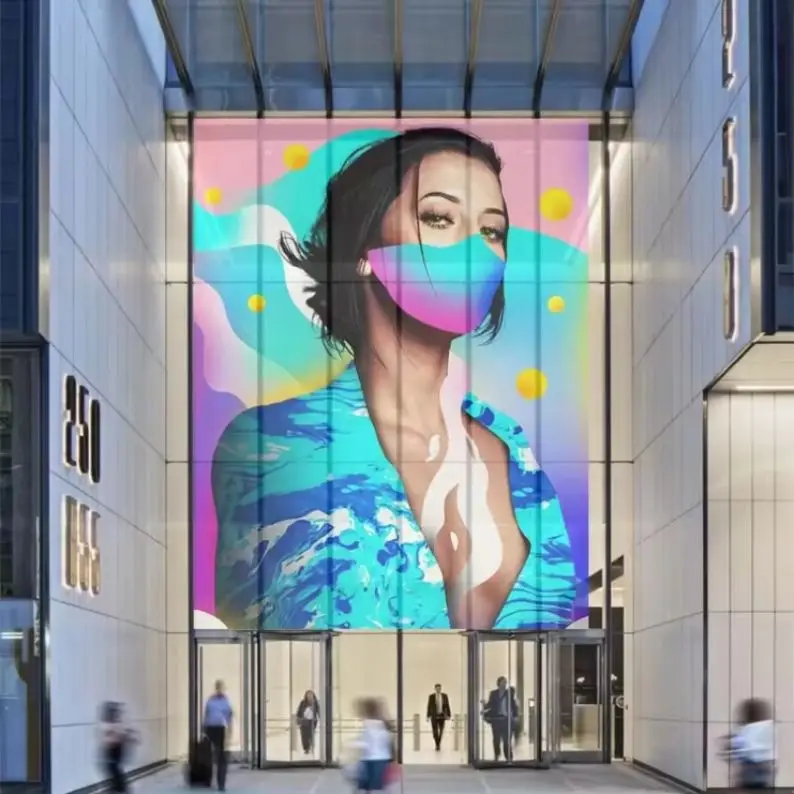
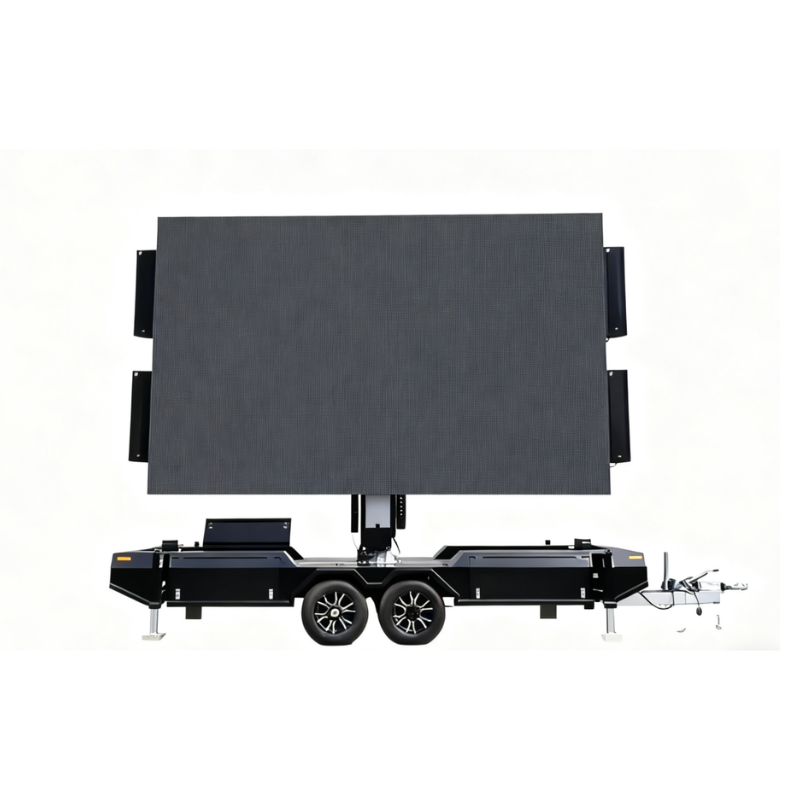
Static displays just cant keep up with what shoppers want these days in stores. People are looking for something more engaging when they shop, not just signs telling them stuff. That's where LED video walls come in handy. They make a real difference compared to regular old signs. These screens can light up spaces no matter how bright or dim it gets around them, so they work great whether installed in big atriums or tucked away in small boutiques. According to Digital Signage Today research, about six out of ten customers say they notice digital displays better than plain static ones. And this matters because people tend to stay longer in stores where there's something interesting to watch while browsing.
There's more to these displays than just being seen. When paired with touch tech or motion sensors, LED walls turn into interactive showcases that let folks actually play with products instead of just looking at them. Stores don't need as many physical samples lying around anymore. The numbers back this up too. A study by Intel found that about 8 out of 10 shoppers say digital signs really improve their shopping trip, which makes sense when we see better sales coming from those areas. Experience centers are finding this especially useful for building real connections with customers. Brands can tell stories about how things are made or why they're good for the planet in ways that stick with people long after they leave. And let's not forget the practical side. Retailers can push new content to all their stores at once through cloud systems. No more waiting weeks for printed materials to arrive. This kind of instant update capability gives businesses something traditional ads simply cannot match.
Selecting the right technical specifications ensures your LED video wall delivers maximum impact while avoiding costly mismatches with retail environments. Three core factors dictate visual quality and viewer experience.
The space between pixels, what we call pixel pitch, plays a big role in figuring out how close someone should be standing to see things clearly on screen. For most places where people hang around about 2 to 3 meters away, a 1.2mm pitch works just fine. But if folks tend to stay further back, say over 5 meters, then going with something like 2.5 to 3mm makes more sense. When it comes to brightness levels, finding that sweet spot between being visible enough and not too harsh is key. Stores inside usually need screens around 800 to 1500 nits so they can compete with regular lights without causing headaches from glare. Some fancy shops that control their lighting better might get away with lower brightness levels, maybe 500 to 800 nits, which feels much more comfortable for customers browsing. And let's not forget about colors either. Displays need at least 90% NTSC accuracy to keep brand colors looking consistent everywhere they appear.
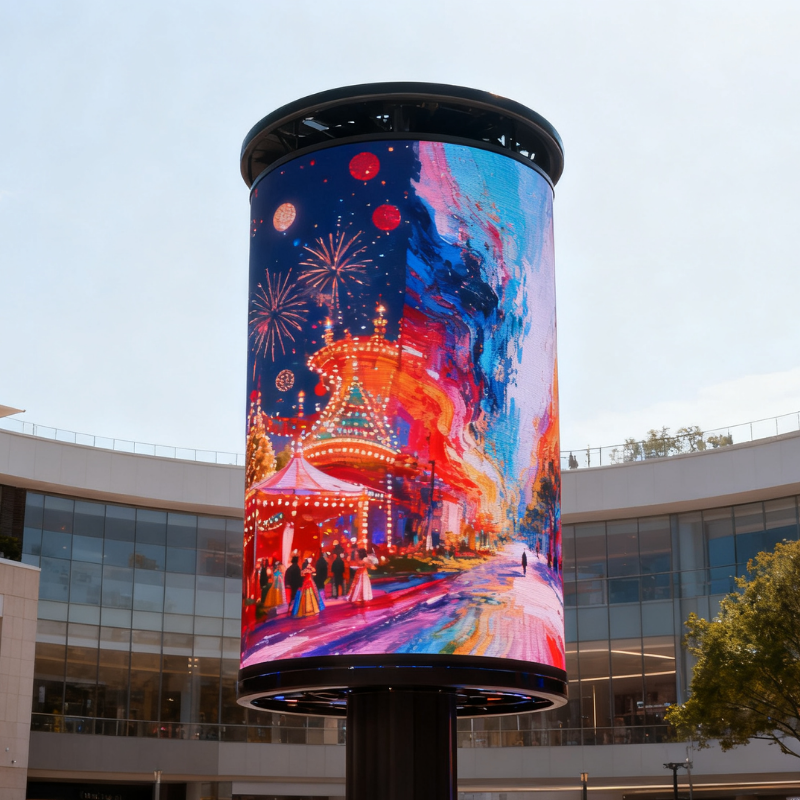
Fine pitch LEDs these days (anything under 1.5mm) produce images so sharp they're practically surgical for things like product displays where customers get right up close or those interactive areas stores love so much. The really narrow borders between these LED panels make them look like one big seamless surface, even when installed around curves. This lets retailers blend digital displays right into their architecture, whether it's fitting rooms, entry areas, or those fancy changing window displays we see everywhere now. When brands build those tunnel experiences, getting pixel perfect consistency matters a lot because nobody wants to see strange breaks in the image. And thanks to better calibration tech, colors stay true across all panels without those annoying jumps in brightness or shade that can ruin the whole effect.
Displays that respond to touch let shoppers check out product details using virtual try-ons, and motion sensors kick in with relevant content when people walk by. Smart systems track how customers interact in real time and tweak what they see on screen, which can boost how long someone stays around by about half according to Interactive Tech Journal from last year. What this means is that instead of just looking at stuff, people actually get involved in their shopping experience. Some stores use hand gestures for navigation, others tell brand stories through games, all of which helps customers remember products better and feel more connected to them over time.
Retailers can now change messages on their LED video walls throughout all store locations almost instantly thanks to cloud based content management systems. These systems pull in real time information like what products are in stock, current weather conditions at each location, and even how busy the stores are. The displays then show promotions that actually matter to customers right there and then. Some big name retailers have seen their customer engagement jump by about 34 percent when using these dynamic messages instead of just regular static ads. From one central place, managers can push out different creative versions for testing, switch between holiday themes quickly, or run limited time offers without missing a beat. This keeps the brand message consistent everywhere but also lets stores grab attention during those brief moments when shoppers are most likely to make a purchase decision.
Retailers can now change their display setups pretty fast using modular LED panels without having to mess with building structures. The plug and play nature means stores can switch out regular brand messages for holiday sales stuff within just a few hours instead of waiting weeks for changes. This kind of flexibility cuts down on lost time when displays need updating and allows different versions of content throughout various locations in a chain, which is really important for local marketing efforts. According to Retail TouchPoints research from last year, around two thirds of shoppers actually get influenced by updated digital displays when making buying choices. That kind of real time adaptability keeps money coming in even as marketing campaigns evolve over time. Plus, those mounting systems that don't require tools speed things up even more while still keeping everything looking smooth and professional.
These days, advanced LED setups do much more than just advertise products—they've become actual parts of building design. Stores are playing around with different color temperatures ranging from warm 2700K to cool 6500K, plus they program how lights fade up and down over time. This helps create lighting that follows our body's natural rhythms, which makes products look better and shoppers feel more comfortable. The brightness adjusts automatically based on what kind of daylight is coming through windows, so people don't get headaches from staring at stuff for too long. According to some research published last year in Shoppertainment Journal, customers tend to stay in stores about 18% longer when this happens. When business slows down during off hours, those same lights transform into soft digital artwork across walls and ceilings. They still provide enough background light for safety but also turn spaces into something memorable that reinforces brand identity without being too flashy.
Premium LED video walls deliver quantifiable returns across three key metrics:
| KPI | Industry Benchmark | Data Source |
|---|---|---|
| Conversion Lift | 12–27% | Retail Analytics Council, 2024 |
| Brand Recall | 4.1× vs static ads | Shopper Memory Study |
| Energy Savings | 38% vs legacy displays | Digital Signage Federation |
Combined with lifespans exceeding 100,000 hours and recyclable components, these installations typically offset initial investment within 18–32 months. Scalable designs also future-proof deployments—next-gen panels integrate seamlessly without full system replacement.
LED video walls offer an engaging visual experience that captures customer attention more effectively than static displays, enhancing both customer engagement and store atmosphere.
Key considerations include pixel pitch, brightness levels appropriate for indoor lighting conditions, and seamless image integration to match the viewing requirements of the specific retail space.
Through interactive touch and motion-activated displays, plus real-time content updates via cloud CMS, LED video walls provide personalized and engaging customer experiences.
LED video walls offer a significant return on investment through increased conversion rates, enhanced brand recall, and energy savings compared to traditional display methods.
Retailers can utilize modular LED panels for quick and flexible rebranding and campaign shifts, making it easy to update displays for seasonal promotions.
 Hot News
2025-05-27
2025-09-25
2025-09-23
 EN
EN